Pengene tilbage-garanti · 100 dage Gratis levering i hele verden
644.596kunstværker 52.888kunstnere 5.406museer 32sprog
Portræt af William Hatherell

William Hatherells malerier: De 11 mest berømte, rangeret

Opdateret november 2026 · rangeret efter vores popularitetsscore (søgninger, besøg og ordrer for hvert værk) · 11 værker af William Hatherell i vores katalog

Hurtigt svar

Det mest berømte maleri af William Hatherell er Illustration to Romeo and Juliet Act III, Sc III (1911); originalen findes på Birmingham Museum and Art Gallery, Birmingham. Nurse, Wounded Soldier And Child og Untitled er tallene to og tre. Ud af de 11 værker af William Hatherell i vores katalog er dette de 11 mest berømte, rangeret med årstal og museum, så du kan vælge det maleri, du ønsker at bestille.

1855 – 1928, London Flest værker: Birmingham Museum and Art Gallery

Top 10 William Hatherell malerier, rangeret

William Hatherells malerier rangeret fra 11 til 11

Museer der udstiller William Hatherells originalværker

De 2 museer, der rummer flest af malerierne på denne side.

Museum By Værker af William Hatherell Malerier fra denne liste
Birmingham Museum and Art Gallery, BirminghamBirmingham Museum and Art Gallery Birmingham 1 Illustration to Romeo and Juliet Act III, Sc III
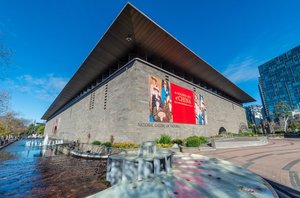
National Gallery of Victoria, MelbourneNational Gallery of Victoria Melbourne 1 Christ appears to his disciples

William Hatherell efter år: de bedste malerier

William Hatherell: 15 års daterede malerier, fra 1911 til 1925, opført år for år med de vigtigste værker fra hvert år.

Værker per år

Vælg et årstal for at se dets malerier.

William Hatherell malerier: ofte stillede spørgsmål

Hvad er det mest berømte maleri af William Hatherell?Vis svar

Illustration to Romeo and Juliet Act III, Sc III (1911), Birmingham Museum and Art Gallery, Birmingham, rangerer som nummer ét, efterfulgt af Nurse, Wounded Soldier And Child og Untitled.

Hvor gammel var William Hatherell, da Illustration to Romeo and Juliet Act III, Sc III blev malet?Vis svar

William Hatherell var 56 år gammel: Illustration to Romeo and Juliet Act III, Sc III er dateret 1911, og William Hatherell blev født i 1855.

Hvilke er de 10 bedste malerier af William Hatherell?Vis svar

Illustration to Romeo and Juliet Act III, Sc III, Nurse, Wounded Soldier And Child, Untitled, Tess of the D'Urbevilles, Christ appears to his disciples, Crossing the Brook, O, Romeo, Romeo, Wherefore Art Thou Romeo, The Rescue Of Guinevere, Portrait Of Emily Hatherell og Knighting Of Sir William Smith Crossman. Årstal og museum for hver enkelt findes i ranglisten ovenfor.

Hvor mange værker af William Hatherell har du på listen?Vis svar

11 værker af William Hatherell er i vores katalog, dateret fra 1911 til 1925.

Hvor opbevares de originale William Hatherell-malerier?Vis svar

Primært i Birmingham Museum and Art Gallery (Birmingham) og National Gallery of Victoria (Melbourne). Se museomtabelen ovenfor for den fulde liste.

Hvilke er de tidligste og seneste berømte William Hatherell malerier?Vis svar

Ældste på denne side: Illustration to Romeo and Juliet Act III, Sc III (1911). Nyeste: Christ appears to his disciples (1925).

Kan jeg bestille en William Hatherell reproduktion?Vis svar

Ja. Hvert maleri på denne side kan bestilles som en håndmalet oliereproduktion eller som et print. Åbn maleriet, vælg størrelsen og afgiv din bestilling.

Om kunstneren: William Hatherell

William Hatherell (1855-1928): A Victorian Visionary

William Hatherell (1855-1928) stands as a testament to the enduring power of meticulous observation and artistic sensitivity during the Victorian era. Born in London, he emerged from a milieu steeped in classical tradition yet possessed an innate fascination with capturing the dynamism of modern life—a duality that defines his distinctive oeuvre. While biographical details remain somewhat sparse, Hatherell’s prolific output speaks volumes about his dedication to portraying both grand narratives and intimate moments with remarkable precision.
  • Early Life & Training: Little is known definitively regarding Hatherell's formative years beyond confirmation of his London birth. He received formal artistic training at the Slade School of Fine Art, establishing a foundation in academic draughtsmanship that would inform his later stylistic choices.
  • Illustrative Career: Hatherell quickly gained recognition as an illustrator, securing commissions for publications ranging from periodicals to novels and theatrical productions. His illustrations were celebrated for their detailed realism and masterful use of light and shadow—characteristics particularly evident in depictions of Victorian society and literary characters. Notably, he collaborated extensively with illustrators like Burne Jones and Arthur Rackham, absorbing influences that would enrich his artistic vocabulary.
  • Historical Painting & Literary Scenes: Beyond illustration, Hatherell excelled at historical painting, tackling ambitious projects such as “Knighting Of Sir William Smith Crossman” and “Tess of the D’Urbevilles.” These canvases demonstrate a profound understanding of composition and color theory—skills honed through careful study of Renaissance masters. His approach to portraying literary subjects was characterized by an empathetic engagement with the source material, transforming narratives into visually compelling experiences.
His artistic vision resonated deeply within the Victorian aesthetic, prioritizing accuracy and emotional resonance above mere decorative embellishment. Hatherell’s meticulous technique—characterized by layered glazing and subtle tonal gradations—allowed him to convey atmosphere and psychological nuance with exceptional subtlety. He skillfully blended academic rigor with Impressionistic tendencies, resulting in paintings that retain a palpable sense of immediacy while upholding the highest standards of artistic craftsmanship.

Notable Works & Artistic Style

Among Hatherell’s most celebrated achievements are “Portrait Of Emily Hatherell” and “Tess of the D’Urbevilles.” These pieces exemplify his mastery of capturing human emotion through nuanced facial expressions and expressive gestures—a hallmark of Victorian portraiture. The Impressionistic brushstrokes employed in “Tess” imbue the scene with a palpable sense of movement and mood, reflecting Hatherell's willingness to experiment with innovative approaches to artistic representation. His stylistic choices consistently prioritized realism combined with an evocative use of color and light, cementing his place as one of the era’s foremost illustrators and painters.

Legacy & Historical Significance

William Hatherell’s contribution to Victorian art extends beyond individual masterpieces; he helped shape the broader artistic landscape by establishing a benchmark for meticulous draughtsmanship and psychological insight. His influence can be discerned in subsequent generations of artists who sought to emulate his stylistic refinements—a testament to the enduring impact of his creative vision. Furthermore, Hatherell's work serves as invaluable documentation of Victorian life and culture, offering viewers a glimpse into the social customs, beliefs, and artistic sensibilities of a pivotal period in British history. His legacy continues to inspire admiration for artistic excellence and unwavering dedication to capturing the complexities of human experience.