


 Vorschau anzeigen
 Versenden
 Teilen
 Details anzeigen
 Leitfaden

 Herunterladen
 Ähnliche Objekte
 Röntgenaufnahme
 Diashow
 Q&A
Q&A Statistiken
The Studio Wall
 Öl auf Leinwand
- Wandkunst
- Realist Painting
 1872
1872- – 19. Jahrhundert
 111.0 x 79.0 cm
 Hamburger Kunsthalle
 Weiterlesen
Giclée / Kunstdruck
Giclée- oder Leinwanddruck in Museumsqualität mit schneller Produktion und flexiblen Veredelungsoptionen. ( Handgemalte Reproduktion bestellen Zum digitalen Bild wechseln)




P118B €10

P118H €10

P118W €10

P438Z €10

P508JH €12

P508YH €12

P805H €10

P805Z €10

P919BZ €10

P919G €10

P919XJ €10

P959ZH €10

P968JZ €12

W106C €8

W218G €10

W218JH €8

W218Y €10

W307PJ €10

W316G €10

W316PJ €8

W316Y €10

W398PJ €8

W4111J €10

W500HY €15

W500JH €15

W692G €12

W849H €8

W940BG €15

W953PJ €8




Wählen Sie aus unseren vordefinierten Formaten, die den ursprünglichen Proportionen des Kunstwerks entsprechen.

Geben Sie die benötigte Breite und Höhe an, damit der Druck perfekt in Ihren Rahmen oder an Ihre Wand passt. Ein Druck kann nur beschnitten, aber niemals größer als das Originalbild angefertigt werden; daher verliert ein Format mit anderen Proportionen einen Teil des Bildes. Wir senden Ihnen ein digitales Mockup zur Freigabe, bevor wir den Druck ausführen. Das auf dieser Seite gezeigte Bild zeigt nicht den tatsächlichen Beschnitt – dies ist nur im Mockup ersichtlich.
Weltweiter Versand () innerhalb von 2 Wochen statt der üblichen 4/5 Wochen. (28 Oktober)

Kostenloser weltweiter Expressversand

Hochwertige Leinenleinwand

Umfassender Versicherungsschutz beim Versand

Zollgebühren-Rückerstattungsgarantie

Garantie für exakte Farbtreue

100 Tage Rückgaberecht (nur bei Mängeln)

100% Geld-zurück-Garantie

Mengenrabatt verfügbar
 Die Glasoption ist nur für Größen unter 110 cm verfügbar.

The Studio Wall
Giclée / Kunstdruck
Format der Reproduktion
-


Endpreis
€ 56
The Studio Wall: A Window into Menzel’s Soul
Adolph von Menzel's "The Studio Wall," painted in 1872, isn’t merely a depiction of a cluttered artist’s workspace; it’s a profoundly layered meditation on mortality, memory, and the very nature of artistic creation. At first glance, it presents a seemingly simple scene: a red-walled studio bathed in the soft glow of lamplight, populated by an array of plaster casts – busts, torsos, even a dog – arranged with meticulous care. Yet, beneath this surface lies a complex tapestry of symbolism and emotional resonance, reflecting Menzel’s own life and artistic philosophy.
The painting emerged during a pivotal period in Menzel's career, following the death of his close friend and fellow artist, Friedrich Eggers. This loss profoundly impacted the artist, fueling a preoccupation with themes of transience and remembrance. The studio itself becomes a symbolic space – a repository of fragments, echoes of those who have passed, and a testament to the enduring power of artistic legacy. Menzel’s meticulous attention to detail, honed through decades of experience in lithography and painting, is immediately apparent; each cast is rendered with astonishing realism, capturing not just their physical form but also a sense of individual character.
A Symphony of Materials and Light
Menzel masterfully employs the techniques of oil on canvas to create an atmosphere of both intimacy and drama. The red wall serves as a dramatic backdrop, intensifying the effect of the lamplight that illuminates the plaster casts. This strategic use of light is crucial – it doesn’t simply illuminate; it seems to breathe life into the inanimate objects, suggesting a ghostly presence within the studio. The artist's choice of materials—the smooth, polished surfaces of the casts contrasting with the rough texture of the wall—further enhances the visual impact, creating a dynamic interplay between form and space.
Notably, Menzel’s approach to composition is unconventional for his time. Rather than presenting a traditional still life, he arranges the casts in a seemingly random yet carefully orchestrated manner. This deliberate asymmetry contributes to the painting's unsettling beauty, mirroring the fragmented nature of memory and the elusive quality of truth. The inclusion of figures like Dante and Schiller, alongside more contemporary portraits, suggests a blurring of temporal boundaries – past, present, and future converge within the confines of the studio.
Decoding the Symbols: Faces of Remembrance
The plaster casts themselves are laden with symbolic meaning. Each figure represents a facet of human experience—beauty, wisdom, mortality, love, loss. The inclusion of portraits of friends, family members, and even classical figures speaks to Menzel’s desire to create a memorial to those he held dear. The prominent placement of Friedrich Eggers' death mask is particularly poignant, suggesting that the artist was grappling with his own grief while simultaneously attempting to immortalize the memory of his friend through art.
Beyond individual portraits, the arrangement of the casts can be interpreted as a visual metaphor for the creative process itself. Like an artist assembling disparate elements into a cohesive whole, Menzel has brought together fragments of human experience—the tangible and the intangible—to create a work that transcends mere representation. The dog, often associated with loyalty and companionship, adds another layer of emotional depth to the composition.
A Timeless Reflection on Art and Life
"The Studio Wall" is more than just a painting; it’s an invitation to contemplate the complexities of human existence. Menzel's masterful use of light, color, and symbolism creates a work that is both visually stunning and emotionally resonant. It remains a powerful testament to the enduring legacy of art as a means of confronting mortality, preserving memory, and exploring the profound mysteries of the human soul. Reproductions capture this depth and detail beautifully, offering a window into Menzel’s world for generations to come.
Fragen & Antworten
Welche Stimmung würde "The Studio Wall" in einen Raum bringen?
Mit seiner Gelassenheit Stimmung wird „The Studio Wall“ für ein Wohnbereich empfohlen.
Wie stark ist der Kontrast in "The Studio Wall" von Adolph von Menzel?
"The Studio Wall" von Adolph von Menzel zeigt einen Aussagekraft Kontrast zwischen hellen und dunklen Bereichen.
Wer hat "The Studio Wall" geschaffen und in welchem Stil ist es gehalten?
Adolph von Menzel schuf „The Studio Wall“ im Rahmen der Realist Painting-Bewegung.
Ähnliche Kunstwerke


Künstlerbiografie
Ein Leben voller künstlerischer Exzellenz (1815–1905)
Adolph Friedrich Erdmann von Menzel, ein deutscher Realist, hinterließ mit seinen Zeichnungen, Radierungen und Gemälden einen bleibenden Eindruck in der Kunstwelt. Geboren am 8. Dezember 1815 in Breslau, Schlesien (heute Wrocław, Polen), war Menzels Leben ein Beweis für seine Hingabe, die Essenz der Realität durch seine Kunst einzufangen.Frühes Leben und Ausbildung
Menzels Vater, ein Lithograph, beabsichtigte zunächst, dass sein Sohn Professor werden sollte. Adolphs Leidenschaft für die Kunst setzte sich jedoch durch, was zu einem kurzen Studium an der Berliner Akademie der Künste im Jahr 1833 führte. Anschließend machte er sich selbstständig und verbesserte seine Fähigkeiten durch unermüdliches Üben.Künstlerische Leistungen
- Die Eisenhütte (1872–1875): Ein Meisterwerk, das Menzels scharfe Beobachtungsgabe und handwerkliches Können demonstriert.
- Der Marktplatz in Verona: Ein Beweis für seine Fähigkeit, die Atmosphäre des täglichen Lebens einzufangen.
- Die Kanzelpredigt in der Pfarrkirche zu Innsbruck (1857): Ein beeindruckendes Beispiel für Menzels Meisterschaft, das in der Sammlung Hugo Fischer (Bühl, Deutschland) zu finden ist.
Einfluss und Bedeutung
Menzels Ruf wuchs posthum vor allem durch seine grafischen Arbeiten und informellen Gemälde. Sein Einfluss reichte über Deutschland hinaus; Edgar Degas bewunderte und kopierte seine Werke und nannte ihn den "größten lebenden Meister". Menzels Verbindung zur französischen und englischen Kunst zeigt sich in seinen Genreszenen, wie Das Französische Fenster und Der Palastgarten von Prinz Albert.Vermächtnis und Rezeption
Adolph von Menzel gilt als einer der bedeutendsten deutschen Maler des 19. Jahrhunderts. Seine Werke spiegeln die gesellschaftlichen und industriellen Veränderungen seiner Zeit wider und bieten einen einzigartigen Einblick in das Leben im Deutschland des 19. Jahrhunderts. Er beeinflusste nachfolgende Generationen von Künstlern und seine Arbeiten werden bis heute für ihre Detailgenauigkeit, ihren Realismus und ihre emotionale Tiefe geschätzt. Seine Fähigkeit, sowohl monumentale historische Szenen als auch intime Alltagsmomente mit gleicher Meisterschaft darzustellen, macht ihn zu einer Schlüsselfigur der realistischen Kunstbewegung.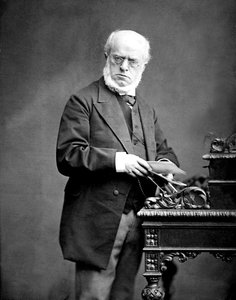
Adolph von Menzel
1815 - 1905 , Polen
Kurzinfos
- Beeinflusste Künstler: ['Edgar Degas']
- Bemerkenswerte Werke:
- Eisenwalzwerk (1872-1875)
- Marktplatz in Verona
- Deutsche Kanzelpredigt in Innsbruck
- Geburtsdatum: 8. Dezember 1815
- Geburtsort: Breslau, Polen
- Künstlerische Richtung: Realismus
- Nationalität: Deutsch
- Sterbedatum: 9. Februar 1905
- Vollständiger Name: Adolph Friedrich Erdmann von Menzel
- Von Künstlern Beeinflusst: ['Caspar David Friedrich']
Ähnliche Artikel

Realism in Art: A Professional Guide to Authentic Detail and Lifelike Masterpieces for Large-Scale Interior Projects
Master the use of Realism in professional interiors. This expert guide explores 19th-century masterpieces, offering procurement managers and designers technical insights into selecting authentic, hand-painted oil reproductions for high-end hotel and corporate projects.


