- Startseite

- Auf Leinwand drucken
- Andrea Mantegna
- ceiling oculus

 Preview
 Versenden
 Teilen
 Details anzeigen

 Herunterladen
 Ähnliche Objekte
 Röntgenaufnahme
 Diashow anzeigen
ceiling oculus

 Weiterlesen
Giclée / Kunstdruck
Giclée- oder Leinwanddruck in Museumsqualität mit schneller Produktion und flexiblen Veredelungsoptionen. ( Switch to hand made Painting Switch to Image)




P118B $10

P118H $10

P118W $10

P438Z $10

P508JH $12

P508YH $12

P805H $10

P805Z $10

P919BZ $10

P919G $10

P919XJ $10

P959ZH $10

P968JZ $12

W106C $8

W218G $10

W218JH $8

W218Y $10

W307PJ $10

W316G $10

W316PJ $8

W316Y $10

W398PJ $8

W4111J $10

W500HY $15

W500JH $15

W692G $12

W849H $8

W940BG $15

W953PJ $8




Wählen Sie aus unseren vordefinierten Größen, die den ursprünglichen Proportionen des Kunstwerks entsprechen.

Sie können Ihre eigenen Maße eingeben, um ein bestimmtes Format oder einen speziellen Platz einzupassen. Wenn das von Ihnen gewählte Format nicht den Proportionen des Originalbildes entspricht, werden wir das Kunstwerk entweder beschneiden oder das Bild mit einem gespiegelten oder einfarbigen Rand erweitern. Ein digitaler Entwurf wird Ihnen zur Genehmigung zugesandt, bevor die Produktion beginnt.
Bitte beachten Sie, dass die Vorschau auf dem Bildschirm nicht den tatsächlichen Zuschnitt oder die Erweiterung widerspiegelt. Nur der Entwurf zeigt die endgültige Komposition präzise an.
Obwohl Sondermaße verfügbar sind, empfehlen wir die Auswahl eines Maßes aus der vordefinierten Liste, um die ursprünglichen Proportionen zu bewahren.
Weltweiter Versand () innerhalb von 2 Wochen statt der üblichen 4/5 Wochen. (29 Juli)

Kostenloser weltweiter Expressversand

Hochwertige Leinenleinwand

Umfassender Versicherungsschutz beim Versand

Zollsteuer-Rückerstattungsgarantie

Garantie für echte Farbtreue

60-Tage-Rückgaberecht (nur bei Mängeln)

100% Geld-zurück-Garantie

Mengenrabatt verfügbar
 Die Glasoption ist nur in Größen unter 110 cm verfügbar.

ceiling oculus
Giclée / Kunstdruck
Größe der Reproduktion
-


Endpreis aller Optionen
$ 64
Beschreibung des Sammlerstücks
A Celestial Embrace: Exploring Andrea Mantegna’s “Ceiling Oculus”
Andrea Mantegna's "Ceiling Oculus" is not merely a depiction of a painted ceiling; it’s a meticulously crafted window into the heart of Renaissance thought, a testament to the artist’s profound reverence for antiquity. Executed around 1495-1500, this remarkable work, likely commissioned for a private chapel, immediately captivates with its central oculus – a circular aperture that invites the viewer to contemplate the heavens and the divine presence within. The scene unfolds as a carefully orchestrated tableau of angels, each imbued with a sense of serene authority and classical grace, surrounding the luminous circle. Mantegna’s genius lies not just in his technical mastery but in his ability to evoke a palpable atmosphere of solemnity and spiritual contemplation.
- Renaissance Revival: Mantegna's work represents a crucial moment in the Renaissance, marking a shift away from purely Gothic conventions towards a renewed interest in classical antiquity. He wasn’t simply copying Roman art; he was actively seeking to understand its principles and apply them to his own artistic endeavors.
- Sculptural Perspective: The figures within the painting are rendered with an almost sculptural quality, reflecting Mantegna's fascination with Roman sculpture. His use of linear perspective, though still developing at this time, creates a powerful illusion of depth and space, drawing the viewer into the scene.
Technique and Materials: A Masterclass in Detail
Mantegna’s technique is characterized by its meticulous detail and precise execution. He employed oil paint on plaster, a medium that allowed for layering and glazing – essential techniques for achieving the luminous effects so characteristic of his work. Observe the subtle gradations of color, particularly in the drapery of the angels, where light plays across the fabric with remarkable realism. The artist’s attention to texture is equally impressive; from the smooth surfaces of the figures' skin to the rougher details of their garments, every element contributes to the overall sense of tangible presence. The use of gold leaf, likely applied in areas such as the oculus and certain decorative elements, would have further enhanced the painting’s splendor and symbolic significance.
Symbolism and Narrative: Angels and Divine Light
The central oculus serves as a powerful symbol of divine illumination – a direct link between the earthly realm and the celestial sphere. The angels surrounding it are not simply decorative figures; they represent messengers of God, intermediaries between humanity and the divine. The inclusion of the bowl and book held by some of the angels further reinforces this religious narrative, referencing traditional symbols of charity and knowledge. The two birds, subtly placed within the composition, may have represented hope or resurrection – common motifs in Renaissance art. Mantegna’s careful arrangement of these elements creates a complex symbolic language that invites contemplation on themes of faith, redemption, and the nature of divine grace.
Emotional Impact and Legacy
"Ceiling Oculus" possesses a profound emotional impact, transporting the viewer to a realm of serenity and spiritual awe. Mantegna’s masterful use of light and shadow, combined with his carefully crafted figures, evokes a sense of reverence and wonder. This painting stands as a testament to Mantegna's artistic genius and his enduring legacy as one of the most important artists of the Renaissance. A hand-painted reproduction offers an unparalleled opportunity to experience the beauty and power of this iconic work firsthand, bringing its timeless message of faith and contemplation into your home or studio.
Ähnliche Kunstwerke


Biografie des Künstlers
frühes Leben und Karriere
Andrea Mantegna, ein innovativer italienischer Maler und Gelehrter der römischen Archäologie, wurde 1431 in Italien geboren. Sein Leben ist durch eine bedeutende Abweichung von den weichen Formen seiner Zeit gekennzeichnet, wobei er sich für eine kühne, volumetrische Darstellung von Raum und Form entschied.Beitrag zur Perspektive
Mantegnas Werk war entscheidend bei der Erforschung der Perspektive und nutzte Techniken wie das Anpassen der Horizontlinie, um seinen Werken einen größeren Maßstab und Schwere zu verleihen. Dieser Ansatz stellte eine bedeutende Abweichung von den weichen Formen seiner Zeit dar und zeigte seinen einzigartigen Stil.Bekannte Werke und Verbindungen
* Mantegnas Gemälde sind für ihre robuste, skulpturale Qualität bekannt und zeigen harte, reflektierende Landschaften und Figuren, die seine Bildhauer-Sensibilität für Form und Textur verraten. * Seine Verbindung zur Bellini-Familie durch Heirat ist bemerkenswert, da sie die Vernetzung künstlerischer Familien während der Renaissance widerspiegelt.Vermächtnis in der Kunstgeschichte
Mantegnas Einfluss auf die Entwicklung der Kunst in Italien und darüber hinaus ist unbestreitbar. Sein kühner Ansatz zur Perspektive und Form hat Generationen von Künstlern inspiriert. Wie in seiner Sammlung auf AllPaintingsStore zu sehen ist, fesseln seine Werke die Zuschauer weiterhin mit ihrer Pracht und ihrem innovativen Stil.- Schlüssel künstlerische Bewegungen: Renaissance, frühe Perspektive.
- Bekannte Werke: Umfassen "Die Klage über den toten Christus" und "St. Georg".
- Museen, die seine Werke ausstellen: Die Nationalgalerie in London und die Pinacoteca Brera in Mailand unter anderem.
Weitere Literatur und Erkundung
* Für mehr Informationen über Mantegnas Leben und Werk siehe die Palumbo-Fossati-Sammlung (Venedig, Italien), die einen kurzen Überblick über die Sammlung und ihre bemerkenswerten Stücke bietet. * Erkunden Sie die Geschichte der Kunst in Italien mit der Kultur Italiens auf Wikipedia.
Andrea Mantegna
1431 - 1506 , Italien
Kurzinfos
- Beeinflusste Künstler:
- Raphael
- Michelangelo
- Bemerkenswerte Werke:
- Die Klage über den toten Christus
- St. Georg und der Drache
- Camera degli Sposi Fresken
- Die Siege Caesars
- Geburtsdatum: 1431
- Geburtsort: Carturu, Italien
- Künstlerische Bewegung: Renaissance, Frühe Perspektive
- Künstlerische Einflüsse:
- Donatello
- Jacopo Bellini
- Nationalität: Italienisch
- Sterbedatum: 1506
- Vollständiger Name: Andrea Mantegna
Ähnliche Artikel

Echoes of Antiquity: Exploring Themes & Techniques in Classical Art Masterpieces
Explore the timeless beauty & profound themes of Classical art! Discover Greek & Roman masterpieces, Neoclassical revivals, and the enduring influence on artistic movements. Expert insights & high-quality reproductions at AllPaintingsStore.

Echoes of Antiquity: Enduring Themes & Techniques in Classic Art
Explore the enduring legacy of classical art! Discover ancient Greek & Roman influences, Renaissance masterpieces, and timeless techniques. Expert insights for collectors & enthusiasts at AllPaintingsStore.

Fra Angelico: Die 25 Meisterwerke des italienischen Frührenaissance-Malers | AllPaintingsStore
Entdecken Sie die 25 schönsten Meisterwerke von Fra Angelico! Erleben Sie religiöse Kunst der italienischen Renaissance, himmlische Fresken & Panelgemälde. Finden Sie hochwertige Kunstdrucke und Reproduktionen für Ihr Zuhause auf AllPaintingsStore.com.
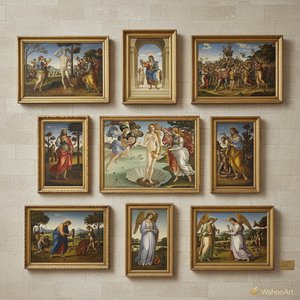
Frührenaissance: Die 10 Meisterwerke, die eine Epoche prägten – Kunst für Ihr Zuhause
Entdecken Sie die 10 prägendsten Meisterwerke der Frührenaissance! Von Giotto bis Botticelli – erleben Sie Kunstgeschichte hautnah. Hochwertige Reproduktionen für Ihr Zuhause auf .
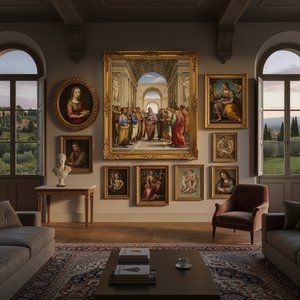
Raphael: Die 25 Meisterwerke des Renaissance-Genies – Kunst für Ihr Zuhause
Entdecken Sie die 25 schönsten Meisterwerke von Raphael! Tauchen Sie ein in die Welt der Renaissance-Kunst, erfahren Sie faszinierende Geschichten und lassen Sie sich von den Farben und Kompositionen inspirieren. Hochwertige Reproduktionen auf AllPaintingsStore.com.