


 Vorschau anzeigen
 Versenden
 Teilen
 Details anzeigen

 Herunterladen
 Ähnliche Objekte
 Röntgenaufnahme
 Diashow
Honor badge


 Weiterlesen
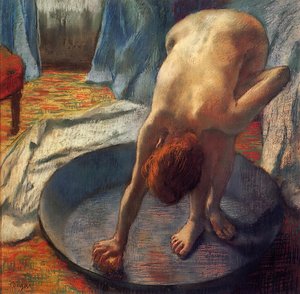
Handgefertigte Ölreproduktion
Handgemaltes Ölgemälde auf Leinwand in Ihrer Wunschgröße und mit Rahmen, auf Bestellung von unseren Künstlern angefertigt. ( Druck bestellen Bild kaufen)




































Wählen Sie aus unseren vordefinierten Formaten, die den ursprünglichen Proportionen des Kunstwerks entsprechen.

Sie können Ihre eigenen Maße eingeben, um einen bestimmten Rahmen oder Platz auszufüllen. Wenn die gewählte Größe nicht den Proportionen des Originalbildes entspricht, werden wir das Kunstwerk entweder beschneiden oder das Gemälde durch zusätzliche, handgemalte Elemente erweitern. Ein digitales Mockup wird Ihnen zur Genehmigung zugesandt, bevor die Produktion beginnt.
Bitte beachten Sie, dass die Bildschirmvorschau nicht die tatsächliche Beschneidung oder Erweiterung widerspiegelt. Nur das Mockup zeigt die endgültige Komposition exakt an.
Obwohl Sondermaße verfügbar sind, empfehlen wir, eine Größe aus der vordefinierten Liste zu wählen, um die ursprünglichen Proportionen beizubehalten.
Nach der Bestellung wird das AllPaintingsStore.com-Team dem Kunden Anweisungen per E-Mail zusenden und eine Mockup-Vorschau bereitstellen.
Weltweiter Versand () in nur 3 bis 4 Wochen statt der üblichen 5 Wochen. (19 August). Keine Kompromisse bei der Qualität.

Kostenloser weltweiter Expressversand

Hochwertige Leinenleinwand

Umfassender Versicherungsschutz beim Versand

Zollgebühren-Rückerstattungsgarantie

Garantie für exakte Farbtreue

60 Tage Rückgaberecht (nur bei Mängeln)

100% Geld-zurück-Garantie

Mengenrabatt verfügbar
 Die Glasoption ist nur für Größen unter 110 cm verfügbar.

Honor badge
Art der Reproduktion
Format der Reproduktion
-


Gesamtpreis
$ 258
Beschreibung des Kunstwerks
Ähnliche Kunstwerke


Über den Künstler
Der Architekt des Alphabets: Das Leben und Vermächtnis von Axel Bertram
In der lebendigen, oft übersehenen Landschaft der ostdeutschen visuellen Kultur besaß nur wenige Figuren eine so stille Autorität über das geschriebene Wort wie Axel Bertram. Geboren 1936 in Dresden – einer Stadt, die zum Schmelztiegel seiner künstlerischen Identität werden sollte –, trat Bertram aus den Schatten einer transformativen Ära hervor, um ein Meister dessen zu werden, was man als „sozialistische Typografie“ bezeichnen könnte. Sein Weg war nicht nur eine Suche nach Ästhetik, sondern ein diszipliniertes Navigieren durch die Komplexitäten des Deutschland der Mitte des Jahrhunderts. Tief geprägt von seinem Vater, einem Grafikdesigner, der ihm die grundlegenden Prinzipien der visuellen Kommunikation vermittelte, waren Bertrams frühe Jahre von einem wachsenden Verständnis dafür gezeichnet, wie Form und Funktion miteinander verschmelzen, um Bedeutung zu erschaffen.
Seine formale Ausbildung an der Hochschule für Bildende Künste Berlin-Weißensee bot das notwendige akademische Fundament, um rohes Talent in professionelle Meisterschaft zu verwandeln. Unter der Mentorenschaft legendärer Persönlichkeiten wie Klaus Wittkugel, Werner Klemke, Arno Mohr und Ernst Vogenauer absorbierte Bertram eine einzigartige Mischung aus modernistischer Experimentierfreude und humanistischen Idealen. Diese Periode war entscheidend; sie ermöglichte es ihm, einen Stil zu entwickeln, der die strengen, funktionalen Anforderungen des Grafikdesigns mit einer lyrischen, fast poetischen Sensibilität in Einklang brachte. Bis 1960 gründete er gemeinsam mit seinen Kommilitonen das Studio-Kollektiv „Gruppe 4“, was sein Erscheinen als bedeutende Kraft in der unabhängigen Grafikszene Berlins markierte.
Eine Sinfonie aus Schrift und Bild
Bertrams Karriere war geprägt von einer außergewöhnlichen Vielseitigkeit, die ihn nahtlos zwischen dem Monumentalen und dem Minutiösen bewegen ließ. Er entwarf nicht bloß Buchstaben; er hauchte ihnen Leben ein und behandelte die Typografie als eine lebendige, atmende Komponente des visuellen Geschichtenerzählens. Seine Arbeit für ikonische ostdeutsche Publikationen wie die Sibylle und die NBI (Neue Berliner Illustrierte) demonstrierte seine Fähigkeit, den Zeitgeist einzufangen – ein feines Gleichgewicht zwischen Optimismus und Zurückhaltung. Ob er nun das Logo des Berliner Metropol Theaters neu gestaltete oder die visuelle Identität der Wochenpost entwarf, seine Handschrift war unverkennbar: klar, autoritär und doch tief ausdrucksstark.
Seine Beiträge reichten weit über die gedruckte Seite hinaus in das eigentliche Gefüge des täglichen Lebens in der DDR. Sein Portfolio umfasste:
- Schriftgestaltung: Die Kreation markanter Fonts wie Rabenau Pro und Videtur, die dem deutschen Druckwesen eine maßgeschneiderte Eleganz verliehen.
- Numismatik: Das kunstvolle Design von Gedenkmünzen und Sondereditionen, die immense Präzision und symbolische Tiefe erforderten.
- Buchgestaltung: Ein produktives Schaffen an Buchumschlägen und Layouts, das das ästhetische Erlebnis des Lesens für Generationen aufwertete.
- Öffentliche Kunst und Ephemera: Von Plakaten und Briefmarken bis hin zu großformatigen grafischen Elementen für internationale Ereignisse wie das X. Weltfest der Jugend und Studenten.
Der Professor und der Historiker
Über sein individuelles Schaffen hinaus war Bertram eine Säule der künstlerischen Gemeinschaft. Seine Zeit als Professor an der Weißenser Hochschule ermöglichte es ihm, die nächste Generation von Designern zu prägen und die strengen Standards der Gebrauchsgrafik weiterzugeben, die er selbst perfektioniert hatte. Als Vizepräsident des Verbandes Bildender Künstler der DDR (VBK) nahm er eine Position von bedeutendem Einfluss ein und setzte sich für die Bedeutung des Designs als Werkzeug für den sozialen und kulturellen Diskurs ein. Die Verleihung des Kunstpreises der DDR im Jahr 1977 diente als formale Anerkennung seiner Rolle bei der Definition der visuellen Sprache seiner Ära.
Selbst als sich die politische Landschaft mit der Wiedervereinigung Deutschlands wandelte, blieb Bertrams Hingabe zum Handwerk unerschütterlich. Sein Vermächtnis ist nicht nur in den Archiven des Deutschen Buch- und Schriftmuseums in Leipzig bewahrt, sondern in der Art und Weise, wie wir die Eleganz des deutschen Alphabets wahrnehmen. Er bleibt ein „stiller Maestro“ – ein Künstler, der verstand, dass wahre Wirkung oft in der subtilen, perfekt gesetzten Kurve eines Buchstabens oder dem ausgewogenen Gewicht einer Schriftart liegt und so einen unauslöschlichen Eindruck in der Geschichte des europäischen Grafikdesigns hinterlassen hat.

Axel Bertram
1936 - 2019 , Deutschland
Kurzinfos
- Artistic Movement Or Style: Kommerzielle Kunst
- Artists Or Movements Influenced By This Artist: ['East German Visual Culture']
- Artists Who Influenced This Artist:
- Klaus Wittkugel
- Werner Klemke
- Date Of Birth: 26 März 1936
- Date Of Death: 16 März 2019
- Full Name: Axel Bertram
- Nationality: Deutsch
- Notable Artworks:
- Sibylle Magazin Gestaltung
- Metropol Theater Logo Redesign
- Place Of Birth: Dresden, Deutschland



