


 Vorschau anzeigen
 Versenden
 Teilen
 Details anzeigen

 Herunterladen
 Ähnliche Objekte
 Röntgenaufnahme
 Diashow
Annunciation
 Oil On Canvas
- WallArt
- Spanish Mannerism
 1598
1598- Renaissance
 114.0 x 67.0 cm
 Weiterlesen
Giclée / Kunstdruck
Giclée- oder Leinwanddruck in Museumsqualität mit schneller Produktion und flexiblen Veredelungsoptionen. ( Handgemalte Reproduktion bestellen Bild kaufen)




P118B $10

P118H $10

P118W $10

P438Z $10

P508JH $12

P508YH $12

P805H $10

P805Z $10

P919BZ $10

P919G $10

P919XJ $10

P959ZH $10

P968JZ $12

W106C $8

W218G $10

W218JH $8

W218Y $10

W307PJ $10

W316G $10

W316PJ $8

W316Y $10

W398PJ $8

W4111J $10

W500HY $15

W500JH $15

W692G $12

W849H $8

W940BG $15

W953PJ $8




Wählen Sie aus unseren vordefinierten Formaten, die den ursprünglichen Proportionen des Kunstwerks entsprechen.

Sie können Ihre eigenen Maße eingeben, um ein bestimmtes Format oder einen speziellen Platz einzupassen. Wenn das von Ihnen gewählte Format nicht den Proportionen des Originalbildes entspricht, werden wir das Kunstwerk entweder beschneiden oder das Bild mit einem gespiegelten oder einfarbigen Rand erweitern. Ein digitaler Entwurf wird Ihnen zur Genehmigung zugesandt, bevor die Produktion beginnt.
Bitte beachten Sie, dass die Vorschau auf dem Bildschirm nicht den tatsächlichen Zuschnitt oder die Erweiterung widerspiegelt. Nur der Entwurf zeigt die endgültige Komposition präzise an.
Obwohl Sondermaße verfügbar sind, empfehlen wir die Auswahl eines Maßes aus der vordefinierten Liste, um die ursprünglichen Proportionen zu bewahren.
Weltweiter Versand () innerhalb von 2 Wochen statt der üblichen 4/5 Wochen. (21 August)

Kostenloser weltweiter Expressversand

Hochwertige Leinenleinwand

Umfassender Versicherungsschutz beim Versand

Zollgebühren-Rückerstattungsgarantie

Garantie für exakte Farbtreue

60 Tage Rückgaberecht (nur bei Mängeln)

100% Geld-zurück-Garantie

Mengenrabatt verfügbar
 Die Glasoption ist nur für Größen unter 110 cm verfügbar.

Annunciation
Giclée / Kunstdruck
Format der Reproduktion
-


Gesamtpreis
$ 64
Sammlerstück-Beschreibung
A Celestial Encounter: The Divine Radiance of El Greco’s Annunciation
In the quiet stillness of 1598, within the spiritual heart of Toledo, Doménikos Theotokópoulos—the master known to history as El Greco—captured a moment that transcends the boundaries of time and mortal perception. His Annunciation is not merely a depiction of a biblical event; it is a profound window into the divine, a masterpiece where the earthly realm dissolves into a vision of celestial grace. As the viewer approaches this monumental canvas, they are immediately enveloped by an atmosphere of sacred tension and luminous beauty. The scene captures the pivotal instant when the Archangel Gabriel descends to deliver the transformative news to the Virgin Mary, a moment that serves as the bridge between heaven and earth.
The composition is a masterclass in spiritual hierarchy and visual storytelling. El Greco directs our gaze with intentionality, centering the Virgin Mary in a posture of humble reverence. She kneels before the messenger of God, her form imbued with a weightless, ethereal quality that seems to defy gravity itself. The angel, with wings spread wide in a gesture of divine protection, stands as a beacon of light, his presence commanding the space. Surrounding this central encounter, various saints and archangels emerge from the shadows, creating a celestial court that reinforces the magnitude of the revelation. This layered arrangement of figures creates a sense of depth that is both physical and metaphysical, inviting the observer to contemplate the layers of sanctity present in the scene.
The Alchemy of Light and Shadow: Technique and Symbolism
To behold this work is to witness the pinnacle of tenebrism. El Greco utilizes stark, dramatic contrasts between deep, velvety shadows and piercing, supernatural light to heighten the emotional fervor of the piece. This masterful manipulation of chiarosculto does more than create volume; it creates drama. The light does not merely illuminate the figures; it seems to emanate from within them, particularly in the luminous halo that surrounds the Virgin, suggesting a soul ignited by divine purpose. This technique, which would later inspire the emotional intensity of Expressionism, allows the painting to pulse with a life force that is almost palpable.
Every element within the frame is heavy with symbolic significance, designed to guide the faithful toward deeper contemplation. The books positioned near the figures are not mere accessories; they represent the Sacred Scripture—the Word made flesh—serving as the intellectual and spiritual foundation of the event. The elongated, flickering forms characteristic of El Greco’s mature style serve to strip away the distractions of the material world, focusing the viewer's attention on the spiritual essence of the subjects. For the collector or the lover of fine art, these details offer a rich tapestry of meaning, making each viewing an opportunity for new discoveries.
An Eternal Legacy for the Discerning Collector
For those seeking to bring a sense of profound history and spiritual elegance into a curated space, El Greco’s Annunciation offers unparalleled inspiration. Whether gracing the walls of a private gallery, a sophisticated study, or a grand living area, this work commands attention through its sheer emotional gravity. The painting's ability to harmonize the solemnity of Byzantine tradition with the dynamic energy of the Spanish Renaissance makes it a timeless addition to any high-end interior design scheme.
Owning a high-quality reproduction of such a masterpiece allows for the preservation of this historical splendor within a modern context. It provides an anchor of culture and a focal point of beauty that invites conversation and reflection. As an art piece, it does not merely decorate a room; it transforms the very atmosphere of a home, infusing it with the same sense of awe and transcendence that El Greco captured in his studio in Toledo centuries ago.
Ähnliche Kunstwerke


Über den Künstler
**frühes Leben und Ausbildung**
El Greco (Doménikos Theotokopoulos), ein renommierter griechischer Maler, Bildhauer und Architekt, wurde 1541 in Kreta geboren, das damals unter venezianischer Herrschaft stand. Sein Geburtsname war Doménikos Theotokopoulos. El Grecos frühe Ausbildung als Ikonenmaler der kreter Schule, einem führenden Zentrum für byzantinische Kunst nach dem Fall des Reiches, legte den Grundstein für seine zukünftigen künstlerischen Bemühungen.**Künstlerische Entwicklung und Einflüsse**
El Gredos künstlerischer Stil wurde durch seine Reisen nach Venedig und Rom geprägt, wo er Manierismus- und Renaissance-Stile aufnahm, insbesondere von Tintoretto und Tizian beeinflusst. Seine Umsiedlung nach Toledo, Spanien, im Jahr 1577 markierte eine Periode fruchtbarer Schaffenskraft, die zu Meisterwerken wie Ansicht von Toledo und das Öffnen des fünften Siegels führte.**Bekannte Werke und Stil**
* Allegorie der Camaldulitenorden (Manierismus, Öl) – ein Zeugnis für El Gredos einzigartige Mischung aus byzantinischen Traditionen und westlichen stilistischen Elementen. * Fabel (Manierismus, Öl) – demonstriert seine Verwendung ungewöhnlicher, lebhafter Farben. * Giacomo Bosio (Manierismus, Öl) – zeigt El Gredos Meisterschaft im Manierismus-Stil.**Vermächtnis und Einfluss**
El Gredos dramatischer und expressiver Stil, der durch verlängerte Figuren und fantastische Pigmentierung gekennzeichnet ist, war eine Quelle der Inspiration für Dichter und Schriftsteller. Er gilt als Vorläufer des Expressionismus und Kubismus. Für mehr Informationen über das Leben und Werk von El Greco besuchen Sie [https://AllPaintingsStore.com/@/el-greco-(domenikos-theotokopoulos)](https://AllPaintingsStore.com/@/el-greco-(domenikos-theotokopoulos)).- **Betrachten Sie El Gredos Gemälde** unter [https://AllPaintingsStore.com/@@/85fr95-el-greco-(domenikos-theotokopoulos)-allegory-of-the-camaldolite-order](https://AllPaintingsStore.com/@@/85fr95-el-greco-(domenikos-theotokopoulos)-allegory-of-the-camaldolite-order)
- **Erfahren Sie mehr über das Leben und Werk von El Greco** unter [https://en.wikipedia.org/wiki/el_greco](https://en.wikipedia.org/wiki/el_greco)
- **Entdecken Sie das Hellenische Institut für byzantinische und post-byzantinische Studien**, das eine breite Palette von Artefakten umfasst, die das reiche künstlerische Erbe Byzants zu reflektieren, unter /de/art/show/art-d3b8bv-de/
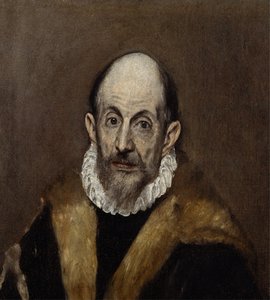
El Greco
1541 - 1614 , Griechenland
Kurzinfos
- Beeinflusste Künstler:
- Tintoretto
- Tizian
- Bemerkenswerte Werke:
- Grablegung des Grafen Orgaz
- Blick auf Toledo
- Öffnung des fünften Siegels
- Geburtsdatum: 1541
- Geburtsort: Kreta, Griechenland
- Künstlerische Richtung: Manierismus, Spanische Renaissance
- Nationalität: Griechisch-Spanisch
- Todatum: 1614
- Vollständiger Name: El Greco (Doménikos Theotokópoulos)
- Von Künstlern Beeinflusst: ['Byzantinische Traditionen']
Ähnliche Artikel
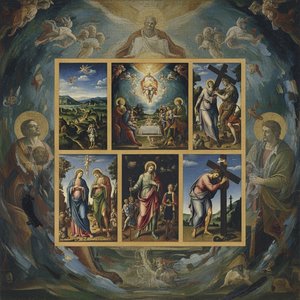
El Greco: Die 25 Meisterwerke – Kunst für Ihr Zuhause | AllPaintingsStore
Entdecken Sie die 25 bedeutendsten Meisterwerke von El Greco! Erleben Sie die spirituelle Tiefe und den dramatischen Stil des griechischen Malers. Hochwertige Kunstdrucke & Inspiration für Ihr Zuhause auf AllPaintingsStore.com.

Barock Meisterwerke: Die 10 prägendsten Kunstwerke für Ihr Zuhause |
Entdecken Sie die 10 prägendsten Meisterwerke des Barock! Caravaggio, Rembrandt & Co. – Erfahren Sie die Geschichten hinter ikonischen Gemälde und finden Sie hochwertige Kunst Reproduktionen für Ihr Zuhause auf .

El Greco: Spiritualität, Stil und Innovation – Das Vermächtnis eines Renaissance-Meisters
Entdecken Sie das faszinierende Werk von El Greco! Erfahren Sie mehr über seine einzigartigen Stilmerkmale, den Manierismus und sein spirituelles Vermächtnis. Expertenwissen zur Renaissance-Malerei.

Museo del Prado: Die 25 Meisterwerke – Kunst für Ihr Zuhause | AllPaintingsStore
Entdecken Sie die 25 Meisterwerke des Museo del Prado! Von Velázquez bis Goya – Kunstgeschichte, Techniken & Geschichten berühmter Gemälde. Finden Sie hochwertige Reproduktionen für Ihr Zuhause auf AllPaintingsStore.com.

Mannerism Unveiled: The Dramatic Evolution of Renaissance Art and the Visionary Legacy of El Greco
Explore the dramatic transition from High Renaissance harmony to Mannerist tension. Discover how masters like El Greco redefined art through distortion and spiritual intensity. An expert guide for art enthusiasts seeking deep historical context and museum-quality inspiration.


