Vorschau anzeigen
 Versenden
 Teilen
 Details anzeigen

 Herunterladen
 Ähnliche Objekte
 Röntgenaufnahme
 Diashow
St. Ildefonso


 Weiterlesen
Giclée / Kunstdruck
Giclée- oder Leinwanddruck in Museumsqualität mit schneller Produktion und flexiblen Veredelungsoptionen. ( Handgemalte Reproduktion bestellen Bild kaufen)




































Wählen Sie aus unseren vordefinierten Formaten, die den ursprünglichen Proportionen des Kunstwerks entsprechen.

Sie können Ihre eigenen Maße eingeben, um ein bestimmtes Format oder einen speziellen Platz einzupassen. Wenn das von Ihnen gewählte Format nicht den Proportionen des Originalbildes entspricht, werden wir das Kunstwerk entweder beschneiden oder das Bild mit einem gespiegelten oder einfarbigen Rand erweitern. Ein digitaler Entwurf wird Ihnen zur Genehmigung zugesandt, bevor die Produktion beginnt.
Bitte beachten Sie, dass die Vorschau auf dem Bildschirm nicht den tatsächlichen Zuschnitt oder die Erweiterung widerspiegelt. Nur der Entwurf zeigt die endgültige Komposition präzise an.
Obwohl Sondermaße verfügbar sind, empfehlen wir die Auswahl eines Maßes aus der vordefinierten Liste, um die ursprünglichen Proportionen zu bewahren.
Weltweiter Versand () innerhalb von 2 Wochen statt der üblichen 4/5 Wochen. (18 August)

Kostenloser weltweiter Expressversand

Hochwertige Leinenleinwand

Umfassender Versicherungsschutz beim Versand

Zollgebühren-Rückerstattungsgarantie

Garantie für exakte Farbtreue

60 Tage Rückgaberecht (nur bei Mängeln)

100% Geld-zurück-Garantie

Mengenrabatt verfügbar
 Die Glasoption ist nur für Größen unter 110 cm verfügbar.

St. Ildefonso
Giclée / Kunstdruck
Format der Reproduktion
-


Gesamtpreis
$ 64
Sammlerstück-Beschreibung
Introduction to El Greco and His Style
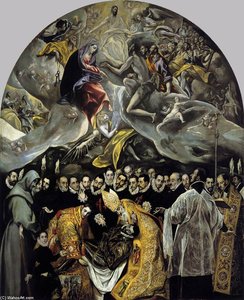
El Greco (Doménikos Theotokópoulos), known as ‘The Greek’, was a trailblazing artist during the Spanish Renaissance. Born in Crete, he mastered post-Byzantine art before moving to Venice and Rome, where he absorbed Mannerist and Renaissance styles, notably influenced by Tintoretto and Titian. His unique style is characterized by elongated figures, dramatic lighting, and vivid colors, which create a sense of otherworldliness and spirituality. These stylistic choices weren’t merely aesthetic preferences; they reflected a profound engagement with theological ideas—a desire to convey spiritual intensity and transcendence through visual representation. The artist's distinctive approach distinguished him from his contemporaries and cemented his place as one of the most influential figures in European art history.The Painting ‘St. Ildelfonso’
‘St. Ildelfonso’ is one of El Greco’s masterpieces, painted in 1609 during his mature period. It depicts St. Ildefonso, the Archbishop of Toledo, who was known for his devotion to the Virgin Mary. The painting shows St. Ildefonso kneeling before the Virgin and Child, surrounded by angels and saints. The composition is divided into two parts: the upper part features the Virgin and Child, while the lower part depicts St. Ildefonso and the surrounding figures. El Greco used vivid colors and dramatic lighting to create a sense of depth and movement, with the figures appearing elongated and ethereal. This masterful manipulation of light—a technique borrowed from Venetian painters like Tintoretto—intensifies the emotional impact of the scene, highlighting the saint’s piety and conveying a palpable feeling of reverence. The artist's meticulous attention to detail ensures that every element contributes to the overall narrative and spiritual atmosphere.The Significance of ‘St. Ildelfonso’
‘St. Ildelfonso’ is significant for several reasons. Firstly, it reflects El Greco’s deep religious faith and his devotion to the Virgin Mary—a central theme throughout his oeuvre. Secondly, it showcases El Greco's unique style, which combines elements of Byzantine, Mannerist, and Renaissance art. The elongated figures, characteristic of El Greco’s style, are not merely stylistic flourishes; they symbolize spiritual aspiration and divine grace. They represent a departure from the idealized proportions of classical sculpture and embody a more profound understanding of human experience—a preoccupation with emotion and inner turmoil. Thirdly, ‘St. Ildelfonso’ is a testament to El Greco's mastery of oil painting techniques. He used layering and glazing to create rich colors and textures, which add depth and complexity to the composition. The painting also demonstrates El Greco’s skill in depicting human emotion and spirituality, with the figures appearing both otherworldly and deeply human—a remarkable achievement considering the artistic conventions of his time.Where to See ‘St. Ildelfonso’
‘St. Ildelfonso’ is housed in the Museo de El Greco in Toledo, Spain. This museum features an impressive collection of El Greco's works, as well as other Spanish artists from the Renaissance and Baroque periods. Visitors can explore the museum’s collections at their own pace, with guided tours available for those who want a more structured experience. If you are unable to visit Toledo, you can still enjoy El Greco’s masterpieces through hand-made oil painting reproductions from AllPaintingsStore. Our skilled artists use traditional techniques to create accurate and detailed reproductions of El Greco's works, which are available in a range of sizes and styles.Conclusion
‘St. Ildelfonso’ by El Greco is a masterpiece of the Spanish Renaissance, reflecting the artist’s deep religious faith and unique style. The painting showcases El Greco’s skill in oil painting techniques, as well as his ability to depict human emotion and spirituality. If you are unable to visit Toledo, consider purchasing a hand-made oil painting reproduction from AllPaintingsStore to enjoy this masterpiece in your own home—a beautiful way to bring the grandeur of El Greco's vision into any interior space.Ähnliche Kunstwerke


Über den Künstler
**frühes Leben und Ausbildung**
El Greco (Doménikos Theotokopoulos), ein renommierter griechischer Maler, Bildhauer und Architekt, wurde 1541 in Kreta geboren, das damals unter venezianischer Herrschaft stand. Sein Geburtsname war Doménikos Theotokopoulos. El Grecos frühe Ausbildung als Ikonenmaler der kreter Schule, einem führenden Zentrum für byzantinische Kunst nach dem Fall des Reiches, legte den Grundstein für seine zukünftigen künstlerischen Bemühungen.**Künstlerische Entwicklung und Einflüsse**
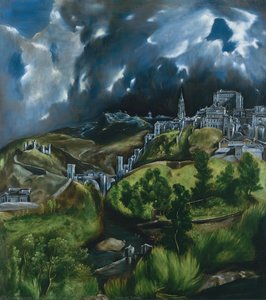
El Gredos künstlerischer Stil wurde durch seine Reisen nach Venedig und Rom geprägt, wo er Manierismus- und Renaissance-Stile aufnahm, insbesondere von Tintoretto und Tizian beeinflusst. Seine Umsiedlung nach Toledo, Spanien, im Jahr 1577 markierte eine Periode fruchtbarer Schaffenskraft, die zu Meisterwerken wie Ansicht von Toledo und das Öffnen des fünften Siegels führte.**Bekannte Werke und Stil**
* Allegorie der Camaldulitenorden (Manierismus, Öl) – ein Zeugnis für El Gredos einzigartige Mischung aus byzantinischen Traditionen und westlichen stilistischen Elementen. * Fabel (Manierismus, Öl) – demonstriert seine Verwendung ungewöhnlicher, lebhafter Farben. * Giacomo Bosio (Manierismus, Öl) – zeigt El Gredos Meisterschaft im Manierismus-Stil.**Vermächtnis und Einfluss**
El Gredos dramatischer und expressiver Stil, der durch verlängerte Figuren und fantastische Pigmentierung gekennzeichnet ist, war eine Quelle der Inspiration für Dichter und Schriftsteller. Er gilt als Vorläufer des Expressionismus und Kubismus. Für mehr Informationen über das Leben und Werk von El Greco besuchen Sie [https://AllPaintingsStore.com/@/el-greco-(domenikos-theotokopoulos)](https://AllPaintingsStore.com/@/el-greco-(domenikos-theotokopoulos)).- **Betrachten Sie El Gredos Gemälde** unter [https://AllPaintingsStore.com/@@/85fr95-el-greco-(domenikos-theotokopoulos)-allegory-of-the-camaldolite-order](https://AllPaintingsStore.com/@@/85fr95-el-greco-(domenikos-theotokopoulos)-allegory-of-the-camaldolite-order)
- **Erfahren Sie mehr über das Leben und Werk von El Greco** unter [https://en.wikipedia.org/wiki/el_greco](https://en.wikipedia.org/wiki/el_greco)
- **Entdecken Sie das Hellenische Institut für byzantinische und post-byzantinische Studien**, das eine breite Palette von Artefakten umfasst, die das reiche künstlerische Erbe Byzants zu reflektieren, unter /de/art/show/art-d3b8bv-de/
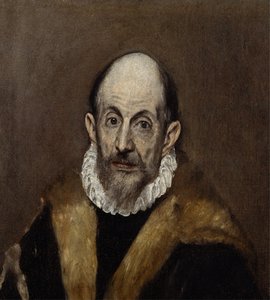
El Greco
1541 - 1614 , Griechenland
Kurzinfos
- Beeinflusste Künstler:
- Tintoretto
- Tizian
- Bemerkenswerte Werke:
- Grablegung des Grafen Orgaz
- Blick auf Toledo
- Öffnung des fünften Siegels
- Geburtsdatum: 1541
- Geburtsort: Kreta, Griechenland
- Künstlerische Richtung: Manierismus, Spanische Renaissance
- Nationalität: Griechisch-Spanisch
- Todatum: 1614
- Vollständiger Name: El Greco (Doménikos Theotokópoulos)
- Von Künstlern Beeinflusst: ['Byzantinische Traditionen']
Ähnliche Artikel
El Greco: Die 25 Meisterwerke – Kunst für Ihr Zuhause | AllPaintingsStore
Entdecken Sie die 25 bedeutendsten Meisterwerke von El Greco! Erleben Sie die spirituelle Tiefe und den dramatischen Stil des griechischen Malers. Hochwertige Kunstdrucke & Inspiration für Ihr Zuhause auf AllPaintingsStore.com.

El Greco: Spiritualität, Stil und Innovation – Das Vermächtnis eines Renaissance-Meisters
Entdecken Sie das faszinierende Werk von El Greco! Erfahren Sie mehr über seine einzigartigen Stilmerkmale, den Manierismus und sein spirituelles Vermächtnis. Expertenwissen zur Renaissance-Malerei.

Mannerism Unveiled: The Dramatic Evolution of Renaissance Art and the Visionary Legacy of El Greco
Explore the dramatic transition from High Renaissance harmony to Mannerist tension. Discover how masters like El Greco redefined art through distortion and spiritual intensity. An expert guide for art enthusiasts seeking deep historical context and museum-quality inspiration.

Discover the Divine: Inspiring Saint Anthony Artworks to Elevate Your Home Decor
Transform your home with the profound beauty of Saint Anthony artworks. Explore exquisite Baroque reproductions by Murillo and Zurbarán, hand-painted on 100% cotton canvas to bring divine serenity and timeless elegance to your interior design.

The Golden Age Reforged: Dramatic Realism & Religious Zeal in Spanish Baroque Art
Explore the dramatic world of Spanish Baroque art! Discover masters like Zurbarán & the powerful influence of religious zeal on painting techniques – a guide for collectors and enthusiasts.