


 Vorschau anzeigen
 Versenden
 Teilen
 Details anzeigen

 Herunterladen
 Ähnliche Objekte
 Röntgenaufnahme
 Diashow
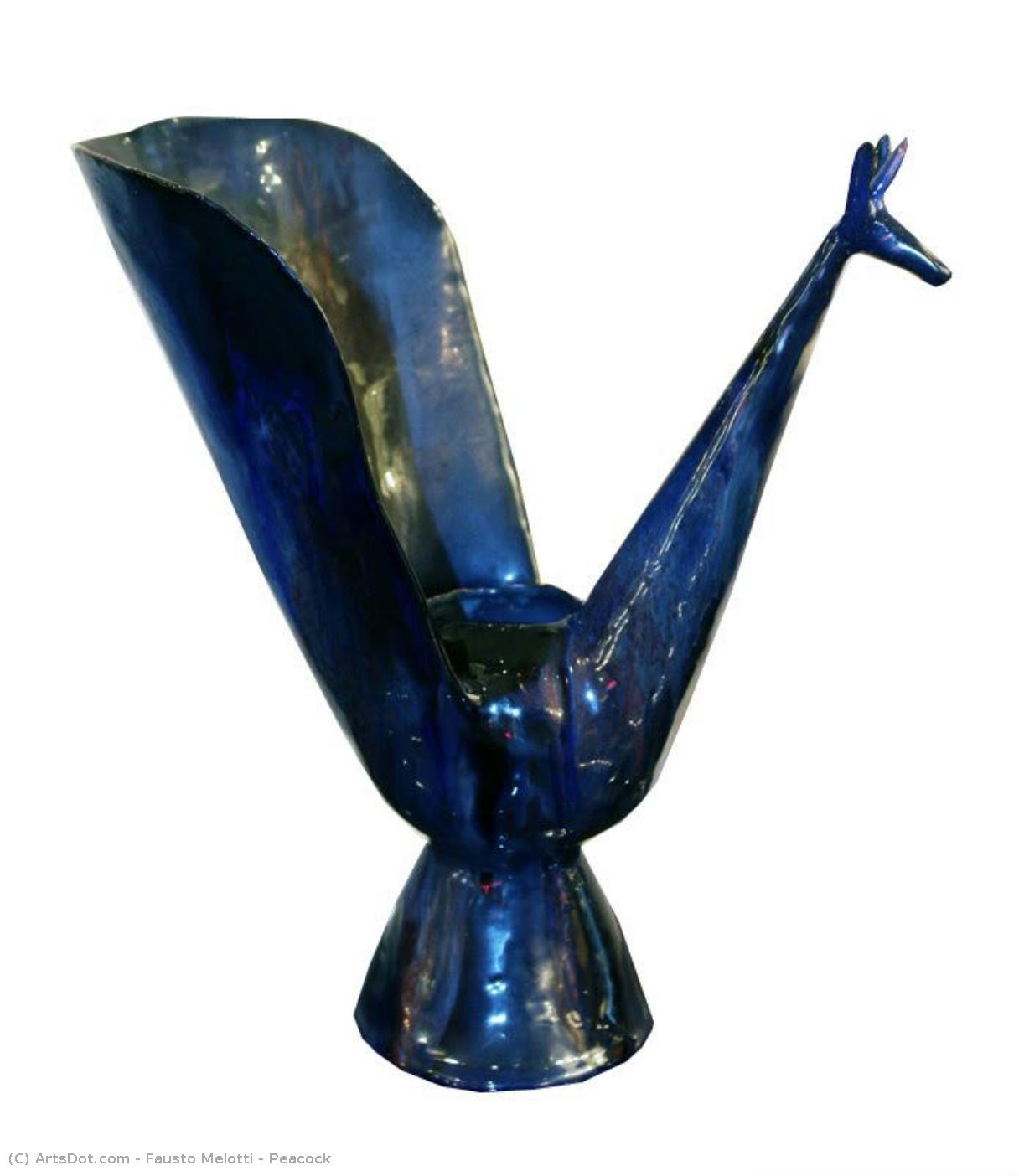
Peacock


 Weiterlesen
Handgefertigte Ölreproduktion
Handgemaltes Ölgemälde auf Leinwand in Ihrer Wunschgröße und mit Rahmen, auf Bestellung von unseren Künstlern angefertigt. ( Druck bestellen Bild kaufen)




































Wählen Sie aus unseren vordefinierten Formaten, die den ursprünglichen Proportionen des Kunstwerks entsprechen.

Sie können Ihre eigenen Maße eingeben, um einen bestimmten Rahmen oder Platz auszufüllen. Wenn die gewählte Größe nicht den Proportionen des Originalbildes entspricht, werden wir das Kunstwerk entweder beschneiden oder das Gemälde durch zusätzliche, handgemalte Elemente erweitern. Ein digitales Mockup wird Ihnen zur Genehmigung zugesandt, bevor die Produktion beginnt.
Bitte beachten Sie, dass die Bildschirmvorschau nicht die tatsächliche Beschneidung oder Erweiterung widerspiegelt. Nur das Mockup zeigt die endgültige Komposition exakt an.
Obwohl Sondermaße verfügbar sind, empfehlen wir, eine Größe aus der vordefinierten Liste zu wählen, um die ursprünglichen Proportionen beizubehalten.
Nach der Bestellung wird das AllPaintingsStore.com-Team dem Kunden Anweisungen per E-Mail zusenden und eine Mockup-Vorschau bereitstellen.
Weltweiter Versand () in nur 3 bis 4 Wochen statt der üblichen 5 Wochen. (16 August). Keine Kompromisse bei der Qualität.

Kostenloser weltweiter Expressversand

Hochwertige Leinenleinwand

Umfassender Versicherungsschutz beim Versand

Zollgebühren-Rückerstattungsgarantie

Garantie für exakte Farbtreue

60 Tage Rückgaberecht (nur bei Mängeln)

100% Geld-zurück-Garantie

Mengenrabatt verfügbar
 Die Glasoption ist nur für Größen unter 110 cm verfügbar.

Peacock
Art der Reproduktion
Format der Reproduktion
-


Gesamtpreis
$ 258
Beschreibung des Kunstwerks
Ähnliche Kunstwerke


Über den Künstler
Fausto Melotti: Bridging Futurism and Ceramic Innovation
Fausto Melotti (1901–1986) stands as a pivotal figure in Italian art history, embodying the dynamism of Futurism alongside a profound dedication to ceramic artistry. Born in Rovereto, nestled amongst the Dolomites, his formative years were steeped in artistic fervor thanks to his family’s involvement with the avant-garde movement—a connection that would profoundly shape his creative trajectory. His sister Renata Melotti married architect Gino Pollini, fostering an environment rich in intellectual discourse and artistic experimentation. The First World War forced a relocation to Florence, where he honed his skills at the Istituto Tecnico di Firenze and pursued higher education at Pisa University, delving into physics and mathematics alongside his burgeoning artistic ambitions. Moving to Milan in 1924, Melotti joined the influential Gruppo 7 architectural collective—Pollini, Luigi Figini, Giuseppe Terragni, Carlo Enrico Rava, Guido Frette, and Ubaldo Castagnoli—a partnership that cemented his position at the forefront of Italian design and artistic innovation. This collaboration exposed him to groundbreaking ideas about form and function, influencing his sculptural explorations for decades to come. He attended Accademia di Brera alongside sculptor Adolfo Wildt, absorbing invaluable lessons in classical technique and humanist expression. His friendship with Kazimir Malevich—particularly Kandinsky’s influence—became a cornerstone of his artistic vision, propelling him toward abstraction while retaining an inherent sensitivity to color and texture. Melotti's artistic journey began amidst the fervor of Futurism, where he collaborated closely with Carlo Belli and Fotrunato Depero at Casa d'Arte Futurista. This association fueled his experimentation with dynamic forms and disruptive visual language—a stylistic hallmark that would persist throughout his career. He embraced monumental commissions for the E 42 Exposition in Rome, crafting impressive sculptures that showcased both technical prowess and conceptual daring. Despite wartime devastation impacting his studio, Melotti persevered, returning to Milan and continuing to push artistic boundaries with ceramic works exploring geometric abstraction and textural interplay. His prolific output spanned decades, culminating in a monumental retrospective at Forte Belvedere in Florence in 1981—a testament to his enduring legacy as one of Italy’s most celebrated sculptors. Melotti's ceramics, characterized by their iridescent surfaces and meticulously crafted forms, transcended mere decorative embellishment; they became vehicles for conveying complex ideas about space, materiality, and visual perception. He achieved international acclaim, securing numerous awards recognizing his contribution to modern sculpture and cementing his place as a visionary artist who bridged the gap between revolutionary artistic movements and timeless aesthetic principles. Melotti’s work continues to inspire artists today, demonstrating the enduring power of experimentation and the transformative potential of embracing diverse influences—a legacy firmly rooted in both Futurism's bold ambition and ceramic art's subtle beauty.
fausto melotti
1901 - 1986
Kurzinfos
- Artistic Movement Or Style: Futurist & Post-war Art
- Artists Or Movements Influenced By This Artist: ['Futurism']
- Artists Who Influenced This Artist: ['Kandinsky']
- Date Of Birth: 1901
- Date Of Death: 1986
- Full Name: Fausto Melotti
- Nationality: Italian
- Notable Artworks:
- Untitled (624)
- I Sette savi
- Place Of Birth: Rovereto, Italy
Ähnliche Artikel

Bronze-Meisterwerke: Die 10 Skulpturen, die Kunstgeschichte schrieben | AllPaintingsStore
Entdecken Sie die 10 legendärsten Bronze Skulpturen der Kunstgeschichte! Von Michelangelo bis Rodin – erfahren Sie die Geschichten hinter den Meisterwerken und lassen Sie sich von Wanddeko-Ideen inspirieren. Hochwertige Kunstdrucke auf AllPaintingsStore.com.

The Enduring Form: Exploring Themes & Techniques in Sculpture Across Historical Periods
Explore the rich history of sculpture from ancient masterpieces to contemporary innovations. Discover key techniques, influential artists & investment potential for discerning art collectors.

The Enduring Form: Sculpture Across History, Technique & Emotional Resonance
Explore the rich history of sculpture with AllPaintingsStore. Discover key techniques, influential artists & investment potential for discerning collectors. Expert insights into valuing and collecting timeless masterpieces.

Die 10 legendärsten Bronzestatuen: Meisterwerke, die Kunstgeschichte schrieben | AllPaintingsStore
Entdecken Sie die 10 legendärsten Bronzestatuen der Kunstgeschichte! Von Rodin bis Michelangelo – erfahren Sie die Geschichten hinter ikonischen Skulpturen und finden Sie hochwertige Reproduktionen für Ihr Zuhause. Jetzt bei AllPaintingsStore entdecken!

Abstrakter Expressionismus: Die 10 Meisterwerke, die eine Kunstbewegung prägten |
Entdecken Sie die 10 Meisterwerke des Abstrakten Expressionismus! Von Jackson Pollock bis Mark Rothko – erfahren Sie die Geschichten hinter ikonischen Gemälde und finden Sie hochwertige Reproduktionen für Ihr Zuhause. Jetzt bei entdecken!



