


 Vorschau anzeigen
 Versenden
 Teilen
 Details anzeigen

 Herunterladen
 Ähnliche Objekte
 Röntgenaufnahme
 Diashow
Study for Cinematic Mural, Study II
 Acrylic On Canvas
- WallArt
- Cubist Modernity
 1938
1938- Modern
 50.0 x 38.0 cm
 Weiterlesen
Giclée / Kunstdruck
Giclée- oder Leinwanddruck in Museumsqualität mit schneller Produktion und flexiblen Veredelungsoptionen. ( Handgemalte Reproduktion bestellen Bild kaufen)




P118B $10

P118H $10

P118W $10

P438Z $10

P508JH $12

P508YH $12

P805H $10

P805Z $10

P919BZ $10

P919G $10

P919XJ $10

P959ZH $10

P968JZ $12

W106C $8

W218G $10

W218JH $8

W218Y $10

W307PJ $10

W316G $10

W316PJ $8

W316Y $10

W398PJ $8

W4111J $10

W500HY $15

W500JH $15

W692G $12

W849H $8

W940BG $15

W953PJ $8




Wählen Sie aus unseren vordefinierten Formaten, die den ursprünglichen Proportionen des Kunstwerks entsprechen.

Sie können Ihre eigenen Maße eingeben, um ein bestimmtes Format oder einen speziellen Platz einzupassen. Wenn das von Ihnen gewählte Format nicht den Proportionen des Originalbildes entspricht, werden wir das Kunstwerk entweder beschneiden oder das Bild mit einem gespiegelten oder einfarbigen Rand erweitern. Ein digitaler Entwurf wird Ihnen zur Genehmigung zugesandt, bevor die Produktion beginnt.
Bitte beachten Sie, dass die Vorschau auf dem Bildschirm nicht den tatsächlichen Zuschnitt oder die Erweiterung widerspiegelt. Nur der Entwurf zeigt die endgültige Komposition präzise an.
Obwohl Sondermaße verfügbar sind, empfehlen wir die Auswahl eines Maßes aus der vordefinierten Liste, um die ursprünglichen Proportionen zu bewahren.
Weltweiter Versand () innerhalb von 2 Wochen statt der üblichen 4/5 Wochen. (22 August)

Kostenloser weltweiter Expressversand

Hochwertige Leinenleinwand

Umfassender Versicherungsschutz beim Versand

Zollgebühren-Rückerstattungsgarantie

Garantie für exakte Farbtreue

60 Tage Rückgaberecht (nur bei Mängeln)

100% Geld-zurück-Garantie

Mengenrabatt verfügbar
 Die Glasoption ist nur für Größen unter 110 cm verfügbar.

Study for Cinematic Mural, Study II
Giclée / Kunstdruck
Format der Reproduktion
-


Gesamtpreis
$ 64
Sammlerstück-Beschreibung
A Monumental Vision: Fernand Léger’s “Study for Cinematic Mural, Study II”
Fernand Léger's "Study for Cinematic Mural, Study II," painted in 1938, offers a compelling glimpse into the artist’s ambitious vision of a mechanized future. Measuring 50 x 38 cm, this intimate study reveals the genesis of a monumental concept – a cinematic mural intended to capture the dynamism and spirit of the burgeoning American cityscape. Léger, deeply influenced by the industrial revolution and his own experiences in Normandy, sought to translate the rhythms of modern life onto canvas, creating a visual language that was both strikingly abstract and profoundly evocative.
- Subject Matter: The painting depicts a vibrant urban scene dominated by the imposing figure of the Statue of Liberty. However, Léger doesn’t present a straightforward depiction; instead, he fragments and reassembles elements – smaller statues punctuate the composition, suggesting a layered narrative of progress and aspiration.
- Style & Technique: Executed in Léger's signature style, “Study II” showcases his characteristic use of geometric forms, bold colors, and a flattened perspective. The application of paint is deliberately rough and textured, reflecting the artist’s fascination with industrial materials and their impact on form. Notice the deliberate lack of traditional shading, contributing to the painting’s overall sense of energy and movement.
Historical Context: Léger and the Machine Age
"Study for Cinematic Mural, Study II" was created during a pivotal moment in history – the rise of industrialization and its profound impact on society. Léger's work reflects this era’s fascination with technology and the perceived promise (and potential anxieties) surrounding it. Commissioned likely as part of a larger project intended for public display, the mural would have aimed to celebrate American ingenuity and forward-thinking ideals. The inclusion of the Statue of Liberty is particularly significant, referencing America's foundational myth of freedom and opportunity – themes that Léger consistently explored through his art.
- The Avant-Garde Movement: Léger was a key figure in the Cubist movement, though he developed a distinct style often referred to as “Tubism,” which emphasized cylindrical forms and mechanical structures.
- Public Art & Modernity: The commission itself speaks to the growing interest in public art during this period, reflecting a desire to engage citizens with modern ideas and aesthetics.
Symbolism and Emotional Impact
Beyond its technical brilliance, “Study for Cinematic Mural, Study II” is rich in symbolic meaning. The Statue of Liberty, rendered as a monumental form amidst the urban landscape, represents both aspiration and potential disruption. The scattered smaller statues could symbolize individual lives within this vast, mechanized world – perhaps highlighting the human cost of progress. Léger’s deliberate use of color—bold blues, reds, and yellows—conveys a sense of energy and excitement, yet also hints at underlying tension. The painting evokes a complex emotional response: awe at the scale of modern ambition, concern for its potential consequences, and ultimately, a profound engagement with the changing nature of human experience.
- The American Dream: The image powerfully embodies the concept of the “American Dream,” albeit filtered through Léger’s unique artistic lens.
- A Dialogue with the Future: The artwork prompts viewers to contemplate the relationship between humanity and technology, a question that remains relevant today.
Collecting this Masterpiece – A Reproduction Opportunity
AllPaintingsStore offers a meticulously crafted hand-painted reproduction of Fernand Léger’s “Study for Cinematic Mural, Study II,” allowing you to bring this iconic artwork into your home or office. Each reproduction is created using the highest quality materials and techniques, ensuring exceptional detail and color accuracy. This isn't just a print; it's a tangible connection to one of the 20th century’s most innovative artists. Own a piece of art history – order your hand-painted reproduction today.
Ähnliche Kunstwerke


Über den Künstler
frühes Leben und Ausbildung
Fernand Légér, ein französischer Maler, Bildhauer und Filmemacher, wurde am 4. Februar 1881 in Argentan, Orne, Niedergermanien geboren. Sein Vater züchtete Rinder, und Légér erhielt zunächst eine Ausbildung als Architekt von 1897 bis 1899. Er zog dann im Jahr 1900 nach Paris und unterstützte sich dort als Architektenzeichner.Künstlerische Entwicklung
Légers frühe Werke wurden vom Impressionismus beeinflusst, wie in Le Jardin de ma Mère (Mein Muttergarten) (1905) zu sehen ist. Nach dem Besuch der Schule für dekorative Künste und der Académie Julian begann er ab seinem 25. Lebensjahr ernsthaft als Maler zu arbeiten. Sein Stil entwickelte sich zu einer persönlichen Form des Kubismus, der von Kritikern als "Tubism" bezeichnet wurde, da er sich auf zylindrische Formen konzentrierte.Kubismus und die Puteaux-Gruppe
Im Jahr 1910 stellte Légér im Salon d’Automne zusammen mit Jean Metzinger und Henri Le Fauconnier aus. Er schloss sich der Puteaux-Gruppe an, auch bekannt als die Section d’Or (die Goldene Proportion), zusammen mit anderen Künstlern wie Francis Picabia und Marcel Duchamp.Krieg und seine Auswirkungen auf Légers Werk
Légers Erfahrungen im Ersten Weltkrieg hatten einen erheblichen Einfluss auf sein Werk. Während seiner Zeit an der Front produzierte er Skizzen von Artilleriegeschützen, Flugzeugen und Soldaten. Sein Gemälde Soldat mit Pfeife (1916) spiegelt diese Zeit wider.Spätere Werke und Vermächtnis
Légers Nachkriegszeitliche Arbeiten, die von glatten, maschinellen Formen geprägt waren, verknüpften ihn mit der Tradition der französischen figurativen Malerei. Seine "animierten Landschaften" von 1921 zeigten Figuren und Tiere in harmonischen, stromlinienförmigen Formen.- Fernand Légers Werke auf AllPaintingsStore
- Mehr über Fernand Légér auf Wikipedia
- Entdecken Sie das Musée National Fernand Légér (Frankreich) mit AllPaintingsStore
- Die Sitzende Frau (100 x 81 cm, Tubism)
- Maschinenelement (Kubismus)
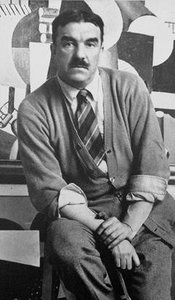
Fernand Léger
1881 - 1955 , Frankreich
Kurzinfos
- Beeinflusste Kunstrichtungen: ['Pop Art']
- Beeinflusste Künstler: ['Paul Cézanne']
- Bemerkenswerte Werke:
- Die Sitzende Frau
- Maschinenelement
- Der Große Umzug
- Die Stadt
- Geburtsdatum: 04. Februar 1881
- Geburtsort: Argentan, Frankreich
- Künstlerische Richtung: Kubismus, Tubismus
- Nationalität: Französisch
- Sterbedatum: 1955
- Vollständiger Name: Fernand Léger
- Von Kunstbewegungen Beeinflusst: ['Cézannismus']
- Von Künstlern Beeinflusst: ['Impressionismus']
Ähnliche Artikel

Contemporary Abstract Art: A Professional Buyer's Guide to Large-Scale Modern Decor for Hospitality and Corporate Interiors
A professional procurement guide for hotel designers and architects. Discover how to integrate large-scale contemporary abstract art into hospitality projects through high-volume, custom-sized oil reproductions, multi-panel layouts, and reliable global logistics.


