


 Vorschau anzeigen
 Versenden
 Teilen
 Details anzeigen
 Leitfaden

 Herunterladen
 Ähnliche Objekte
 Röntgenaufnahme
 Diashow
 Statistiken
Cavalier


 Weiterlesen
Die auf dieser Seite dargestellten Kunstwerke sind urheberrechtlich geschützt, was bedeutet, dass wir keine identische Reproduktion rechtmäßig erstellen oder verkaufen dürfen. Dieser Schutz wird durch internationale Abkommen wie die Berner Übereinkunft und durch nationale Gesetze, einschließlich derer, die von den US-Urheberrecht – Titel 17.
Diese Methode entspricht vollumfänglich den Urheberrechtsbestimmungen, da sie keine Kopie oder Vervielfältigung des geschützten Kunstwerks darstellt. Stattdessen handelt es sich um eine kreative Neuinterpretation – ein neues Gemälde, das vom Original inspiriert, aber nicht identisch mit ihm ist.
Giclée / Kunstdruck
Giclée- oder Leinwanddruck in Museumsqualität mit schneller Produktion und flexiblen Veredelungsoptionen. ( Handgemalte Reproduktion bestellen Zum digitalen Bild wechseln)




P118B €10

P118H €10

P118W €10

P438Z €10

P508JH €12

P508YH €12

P805H €10

P805Z €10

P919BZ €10

P919G €10

P919XJ €10

P959ZH €10

P968JZ €12

W106C €8

W218G €10

W218JH €8

W218Y €10

W307PJ €10

W316G €10

W316PJ €8

W316Y €10

W398PJ €8

W4111J €10

W500HY €15

W500JH €15

W692G €12

W849H €8

W940BG €15

W953PJ €8




Wählen Sie aus unseren vordefinierten Formaten, die den ursprünglichen Proportionen des Kunstwerks entsprechen.

Geben Sie die benötigte Breite und Höhe an, damit der Druck perfekt in Ihren Rahmen oder an Ihre Wand passt. Ein Druck kann nur beschnitten, aber niemals größer als das Originalbild angefertigt werden; daher verliert ein Format mit anderen Proportionen einen Teil des Bildes. Wir senden Ihnen ein digitales Mockup zur Freigabe, bevor wir den Druck ausführen. Das auf dieser Seite gezeigte Bild zeigt nicht den tatsächlichen Beschnitt – dies ist nur im Mockup ersichtlich.
Weltweiter Versand () innerhalb von 2 Wochen statt der üblichen 4/5 Wochen. (27 Oktober)

Kostenloser weltweiter Expressversand

Hochwertige Leinenleinwand

Umfassender Versicherungsschutz beim Versand

Zollgebühren-Rückerstattungsgarantie

Garantie für exakte Farbtreue

100 Tage Rückgaberecht (nur bei Mängeln)

100% Geld-zurück-Garantie

Mengenrabatt verfügbar
 Die Glasoption ist nur für Größen unter 110 cm verfügbar.

Cavalier
Giclée / Kunstdruck
Format der Reproduktion
-


Endpreis
€ 56
A Fragmented Vision: The Cubist Revolution in Braque’s Cavalier
To gaze upon Georges Braque’s "Cavalier" is to witness the very moment the mirror of traditional art was shattered and reassembled into something far more profound. Created in 1910, this masterpiece stands as a cornerstone of the Cubist movement, an era that irrevocably altered the course of Western art history. Rather than offering a mere window into a recognizable scene, Braque presents us with a deliberate dismantling of perspective. The subject—a horse and rider—is not presented as a static entity captured in a single moment of light, but as a complex arrangement of interlocking planes and geometric truths. It is an invitation to look past the surface of the world to find the structural rhythm beneath.
In this seminal work, Braque moves beyond the fleeting impressions of his predecessors to explore the concept of simultaneity. The horse's powerful form is fractured into angular segments, mirroring the rider’s posture and creating a disconcerting yet mesmerizing illusion of depth. This technique allows the viewer to experience multiple viewpoints at once, challenging the brain to reconstruct the subject from its constituent parts. For the discerning collector or interior designer, this piece offers more than just visual interest; it provides a sophisticated intellectual anchor, embodying the tension between chaos and order that defines the modern era.
The Mastery of Analytical Cubism
The technical execution of "Cavalier" reveals Braque’s profound engagement with the tactile nature of painting. Employing what is known as Analytical Cubism, Braque prioritized meticulous detail and subtle tonal gradation over expressive or flamboyant brushstrokes. His background, rooted in a family of house painters and decorators, is evident in his disciplined hand. He painstakingly rendered the musculature of the horse through precise lines and a muted palette of earthy tones, ensuring that form and structure remained the primary protagonists of the composition.
There is a remarkable materiality to this work, achieved through a layering process that suggests a rich, textured surface. By utilizing subtle shading and carefully controlled light, Braque creates a sense of weight and presence despite the abstraction of the subject. This precision transforms the canvas from a flat plane into a sculptural space where light and shadow dance in a complex embrace. For those seeking to adorn a space with art that commands attention through subtlety rather than noise, "Cavalier" serves as an exquisite example of how technical rigor can elevate abstract thought into a tangible, emotive experience.
A Legacy of Intellectual Depth and Aesthetic Grace
Beyond its stylistic innovation, "Cavalier" carries a profound philosophical weight. It reflects the early 20th-century preoccupation with the subjectivity of perception—the idea that true understanding requires acknowledging the fragmented and multifaceted nature of reality. The rider and horse are not merely figures in a landscape; they are symbols of a new way of seeing, where the boundaries between object and space begin to dissolve. This sense of movement and deconstruction creates an emotional impact that is both unsettling and deeply captivating.
Integrating a high-quality reproduction of this work into a curated collection or a contemporary interior offers a unique opportunity to celebrate the avant-garde. The painting’s subdued color palette and sophisticated geometry allow it to harmonize with a variety of modern aesthetics, from minimalist galleries to richly textured, classical rooms. Owning a piece that captures Braque's revolutionary spirit is an homage to the enduring power of human creativity and the eternal quest to redefine the limits of vision.
Fragen & Antworten
In welche Phase von Georges Braques Schaffen lässt sich "Cavalier" einordnen?
Innerhalb der Schaffensperiode von Georges Braque lässt sich „Cavalier“ der Analytical Cubism zuordnen. Diese Phase ermöglicht einen Vergleich mit anderen Werken des Künstlers.
Wer hat "Cavalier" geschaffen?
"Cavalier" wird Georges Braque zugeschrieben.
Wie schafft "Cavalier" das Gleichgewicht zwischen Hell und Dunkel?
Die aufgezeichneten Werte für "Cavalier" von Georges Braque sind: brilliant Helligkeit, Luminous Luminanz.
Ähnliche Kunstwerke


Künstlerbiografie
**frühes Leben und Ausbildung**
Georges Braque, ein prominenter französischer Maler, Kollagist, Bleistrichzeichner, Grafiker und Bildhauer, wurde am 13. Mai 1882 in Argenteuil, Val-d'oise, geboren. Er wuchs in Le Havre auf und erhielt zunächst eine Ausbildung als Hausmaler und Dekorateur wie sein Vater und Großvater. Braques künstlerische Neigungen führten ihn jedoch dazu, von 1897 bis 1899 an der École des Beaux-Arts in Le Havre Malerei zu studieren.**Künstlerische Entwicklung und Fauvisme**
Im Jahr 1902, nachdem er seine Lehre bei einem Dekorateur in Paris abgeschlossen hatte, besuchte Braque bis 1904 die Académie Humbert. Dieser Zeitraum markierte seine Einführung ins Fauvismus, einen Stil, der durch lebendige Farben und emotionale Reaktionen gekennzeichnet ist. Beeinflusst von den Werken von Henri Matisse und André Derain, übernahm Braque einen fauvistischen Ansatz, wie in seinem Gemälde The Patience (Fauvismus, Öl auf Leinwand).**Beitrag zum Kubismus**
Braques Zusammenarbeit mit Pablo Picasso von 1908 bis 1912 führte zur Entwicklung des Kubismus. Ihre analytischen kubistischen Werke, wie z.B. Georges Braque: The Patience und Pablo Picasso: Clarinet(analytischer Kubismus, Öl auf Leinwand), gelten heute als Meilensteine der Kunstgeschichte.**Erbe und bemerkenswerte Werke**
* Houses at L'Estaques: Ein Zeugnis für Braques innovatives Einsatz von Geometrie und simultaner Perspektive. * The Patience(Fauvismus, Öl auf Leinwand): Demonstriert Braques fauvistischen Stil. * Clarinet(analytischer Kubismus, Öl auf Leinwand): Eine kollaborative kubistische Arbeit mit Picasso.**Museen und Sammlungen**
* Musée d'Orsay: Bietet eine umfangreiche Sammlung impressionistischer und postimpressionistischer Kunst, darunter Werke von Braque. * Musée de l'Orangerie: Zeigt eine breite Palette von Kunstwerken, darunter Werke von Braque und anderen bedeutenden Künstlern.- Erfahren Sie mehr über Georges Braques Leben und Werk auf AllPaintingsStore.com
- Entdecken Sie die Sammlung des Musée d'Orsay, die Werke von Braque und anderen Künstlern umfasst, unter Musée d'Orsay - Wikipedia
- Erfahren Sie mehr über den Fauvismus und seinen Einfluss auf die Entwicklung des Kubismus mit Fauvismus Kunstbewegung auf AllPaintingsStore.com
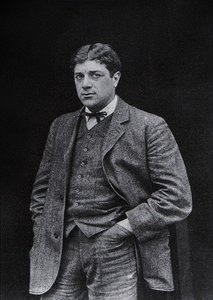
Georges Braque
1882 - 1963 , Frankreich
Kurzinfos
- Beeinflusste Künstler: ['Pablo Picasso']
- Bemerkenswerte Werke:
- Häuser in L'Estaque
- Die Geduld (Fauvismus)
- Stillleben mit Pfeife
- Mandola
- Einflussreiche Künstler:
- Henri Matisse
- André Derain
- Paul Cézanne
- Geburtsdatum: 13. Mai 1882
- Geburtsort: Argenteuil, Frankreich
- Künstlerischer Stil: Kubismus, Fauvismus
- Nationalität: Französisch
- Sterbedatum: 1963
- Vollständiger Name: Georges Braque
Ähnliche Artikel

Cubist Expression: A Professional Guide to Integrating Geometric Abstraction into Modern Hospitality Design
Elevate hospitality interiors with Cubist art. Our expert guide explores integrating geometric abstraction into hotel design through high-quality, large-scale oil reproductions and custom multi-panel commissions tailored for professional designers and procurement managers.


