- Startseite

- Auf Leinwand drucken
- Georges Braque
- The Studio (II)

 Preview
 Versenden
 Teilen
 Details anzeigen

 Herunterladen
 Ähnliche Objekte
 Röntgenaufnahme
 Diashow anzeigen
The Studio (II)


 Weiterlesen
Giclée / Kunstdruck
Giclée- oder Leinwanddruck in Museumsqualität mit schneller Produktion und flexiblen Veredelungsoptionen. ( Switch to hand made Painting Switch to Image)




P118B $10

P118H $10

P118W $10

P438Z $10

P508JH $12

P508YH $12

P805H $10

P805Z $10

P919BZ $10

P919G $10

P919XJ $10

P959ZH $10

P968JZ $12

W106C $8

W218G $10

W218JH $8

W218Y $10

W307PJ $10

W316G $10

W316PJ $8

W316Y $10

W398PJ $8

W4111J $10

W500HY $15

W500JH $15

W692G $12

W849H $8

W940BG $15

W953PJ $8




Wählen Sie aus unseren vordefinierten Größen, die den ursprünglichen Proportionen des Kunstwerks entsprechen.

Sie können Ihre eigenen Maße eingeben, um ein bestimmtes Format oder einen speziellen Platz einzupassen. Wenn das von Ihnen gewählte Format nicht den Proportionen des Originalbildes entspricht, werden wir das Kunstwerk entweder beschneiden oder das Bild mit einem gespiegelten oder einfarbigen Rand erweitern. Ein digitaler Entwurf wird Ihnen zur Genehmigung zugesandt, bevor die Produktion beginnt.
Bitte beachten Sie, dass die Vorschau auf dem Bildschirm nicht den tatsächlichen Zuschnitt oder die Erweiterung widerspiegelt. Nur der Entwurf zeigt die endgültige Komposition präzise an.
Obwohl Sondermaße verfügbar sind, empfehlen wir die Auswahl eines Maßes aus der vordefinierten Liste, um die ursprünglichen Proportionen zu bewahren.
Weltweiter Versand () innerhalb von 2 Wochen statt der üblichen 4/5 Wochen. (30 Juli)

Kostenloser weltweiter Expressversand

Hochwertige Leinenleinwand

Umfassender Versicherungsschutz beim Versand

Zollsteuer-Rückerstattungsgarantie

Garantie für echte Farbtreue

60-Tage-Rückgaberecht (nur bei Mängeln)

100% Geld-zurück-Garantie

Mengenrabatt verfügbar
 Die Glasoption ist nur in Größen unter 110 cm verfügbar.

The Studio (II)
Giclée / Kunstdruck
Größe der Reproduktion
-


Endpreis aller Optionen
$ 64
Beschreibung des Sammlerstücks
A Still Life Reverie: Georges Braque’s “The Studio”
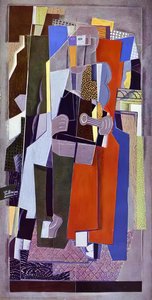
- Georges Braque's "The Studio" (II), painted in 1949, stands as a testament to the artist’s mastery of Cubist principles and his profound engagement with the aesthetic concerns of postwar Europe. This deceptively simple composition—a monochrome depiction of a studio interior—holds within it layers of intellectual and artistic significance that continue to resonate with viewers today.
- The painting's stylistic core resides in Braque’s unwavering commitment to Cubism, specifically Analytical Cubism developed alongside Pablo Picasso during their formative years. Unlike Impressionistic explorations of fleeting light and color, Braque sought to represent objects from multiple viewpoints simultaneously, fracturing them into geometric planes that overlap and interpenetrate. This technique isn't merely a stylistic choice; it’s an epistemological one—a deliberate attempt to challenge traditional notions of perspective and representation.
Compositional Harmony and Fragmented Reality
- The central focus is undeniably a vase, positioned prominently on a table. However, Braque doesn’t present this vase as a singular entity but rather dissects it into fragmented planes—a hallmark of Cubist methodology. Surrounding the main vase are several other vases scattered throughout the scene, creating a visual dialogue that emphasizes the multiplicity of perception.
- Alongside the vases is a bowl and a cup, meticulously arranged on the table surface. These objects contribute to the overall sense of stillness despite the fractured geometry dominating the composition. Braque’s careful placement guides the viewer's eye across the canvas, fostering contemplation about how we perceive and interpret visual information.
Figures Within Stillness: Presence and Observation
- Two figures inhabit the studio space—one positioned closer to the left side of the image and another situated centrally. Their presence introduces an element of human observation into what might otherwise appear as a purely formal exercise. Braque’s inclusion of these individuals subtly underscores the idea that art is not merely about depicting objects but also about capturing the act of seeing itself.
- The figures are rendered in muted tones, mirroring the monochrome palette of the painting and reinforcing its contemplative mood. They serve as anchors within the geometric abstraction, grounding the visual experience and inviting viewers to consider their own role as observers.
Symbolism and Contextual Significance
- "The Studio" reflects the broader artistic currents of the postwar period—a time marked by a renewed interest in abstraction and a desire to grapple with the trauma of World War II. Braque’s deliberate simplification of form aligns with the movement's rejection of sentimentalism and its embrace of intellectual rigor.
- The vases themselves can be interpreted as symbols of artistic creation—representing vessels for ideas, inspirations, and creative endeavors. Their repetition reinforces this thematic concern, prompting viewers to consider the role of art in shaping our understanding of the world.
Emotional Resonance: Quiet Contemplation
- Despite its geometric abstraction, “The Studio” possesses a remarkable emotional resonance. The subdued palette and careful composition evoke a sense of quiet contemplation—a stillness that invites viewers to pause and reflect on the beauty of form and structure. It’s a painting that speaks not to the senses but to the intellect, fostering an appreciation for the power of visual art to convey profound ideas.
Ähnliche Kunstwerke


Biografie des Künstlers
**frühes Leben und Ausbildung**
Georges Braque, ein prominenter französischer Maler, Kollagist, Bleistrichzeichner, Grafiker und Bildhauer, wurde am 13. Mai 1882 in Argenteuil, Val-d'oise, geboren. Er wuchs in Le Havre auf und erhielt zunächst eine Ausbildung als Hausmaler und Dekorateur wie sein Vater und Großvater. Braques künstlerische Neigungen führten ihn jedoch dazu, von 1897 bis 1899 an der École des Beaux-Arts in Le Havre Malerei zu studieren.**Künstlerische Entwicklung und Fauvisme**
Im Jahr 1902, nachdem er seine Lehre bei einem Dekorateur in Paris abgeschlossen hatte, besuchte Braque bis 1904 die Académie Humbert. Dieser Zeitraum markierte seine Einführung ins Fauvismus, einen Stil, der durch lebendige Farben und emotionale Reaktionen gekennzeichnet ist. Beeinflusst von den Werken von Henri Matisse und André Derain, übernahm Braque einen fauvistischen Ansatz, wie in seinem Gemälde The Patience (Fauvismus, Öl auf Leinwand).**Beitrag zum Kubismus**
Braques Zusammenarbeit mit Pablo Picasso von 1908 bis 1912 führte zur Entwicklung des Kubismus. Ihre analytischen kubistischen Werke, wie z.B. Georges Braque: The Patience und Pablo Picasso: Clarinet(analytischer Kubismus, Öl auf Leinwand), gelten heute als Meilensteine der Kunstgeschichte.**Erbe und bemerkenswerte Werke**
* Houses at L'Estaques: Ein Zeugnis für Braques innovatives Einsatz von Geometrie und simultaner Perspektive. * The Patience(Fauvismus, Öl auf Leinwand): Demonstriert Braques fauvistischen Stil. * Clarinet(analytischer Kubismus, Öl auf Leinwand): Eine kollaborative kubistische Arbeit mit Picasso.**Museen und Sammlungen**
* Musée d'Orsay: Bietet eine umfangreiche Sammlung impressionistischer und postimpressionistischer Kunst, darunter Werke von Braque. * Musée de l'Orangerie: Zeigt eine breite Palette von Kunstwerken, darunter Werke von Braque und anderen bedeutenden Künstlern.- Erfahren Sie mehr über Georges Braques Leben und Werk auf AllPaintingsStore.com
- Entdecken Sie die Sammlung des Musée d'Orsay, die Werke von Braque und anderen Künstlern umfasst, unter Musée d'Orsay - Wikipedia
- Erfahren Sie mehr über den Fauvismus und seinen Einfluss auf die Entwicklung des Kubismus mit Fauvismus Kunstbewegung auf AllPaintingsStore.com
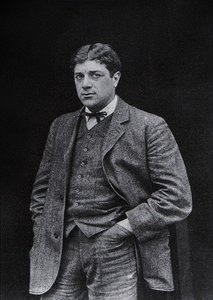
Georges Braque
1882 - 1963 , Frankreich
Kurzinfos
- Beeinflusste Künstler: ['Pablo Picasso']
- Bemerkenswerte Werke:
- Häuser in L'Estaque
- Die Geduld (Fauvismus)
- Stillleben mit Pfeife
- Mandola
- Einflussreiche Künstler:
- Henri Matisse
- André Derain
- Paul Cézanne
- Geburtsdatum: 13. Mai 1882
- Geburtsort: Argenteuil, Frankreich
- Künstlerischer Stil: Kubismus, Fauvismus
- Nationalität: Französisch
- Sterbedatum: 1963
- Vollständiger Name: Georges Braque
Ähnliche Artikel

Die Subtilität der Schattierung: Schwarze, weiße und graue Abstraktionen im modernen Innenraumdesign – Eine Studie über Licht, Textur und architektonische Harmonie
Entdecken Sie die faszinierende Welt monochromer Innenräume! Expertenwissen zu Farbpsychologie, Lichtgestaltung & Materialwahl für elegante, zeitlose Designs. Inspiration & Fallstudien.

Deconstructing Reality: A Comprehensive Exploration of Cubist Still Life
Explore the revolutionary world of Cubist Still Life with AllPaintingsStore. Discover Picasso & Braque's groundbreaking techniques, its philosophical roots, and lasting impact on modern art. Expert insights for collectors.

Jenseits des Porträts: Ihre Küche als Kunstwerk – Ein Stillleben für Ihr Restaurant.
Verleihen Sie Ihrem Restaurant einen einzigartigen Charakter! AllPaintingsStore kreiert handgemalte Stillleben, die Ihre kulinarische Leidenschaft widerspiegeln. Exklusive Kunst für höchste Ansprüche – entdecken Sie Ihr persönliches Meisterwerk.
The Bountiful Still Life: Symbolism & Artistic Representation of Fruit Across Art History
Explore the rich history of still life painting & the symbolism of fruit across art movements. Discover masterpieces from Caravaggio to Cézanne with AllPaintingsStore – expert guidance & museum-quality reproductions.

Severin Roesen: Evoking National Identity Through American Still Life Painting
Explore the captivating world of Severin Roesen, a major American still life painter influenced by Dutch masters. Discover his lush compositions and the symbolism within his art – a window into 19th-century America.