


 Vorschau anzeigen
 Versenden
 Teilen
 Details anzeigen
 Leitfaden

 Herunterladen
 Ähnliche Objekte
 Röntgenaufnahme
 Diashow
 Statistiken
Two Cranes
 Ink
Ink- WallArt
 1795
1795- Early Modern
 108.0 x 39.0 cm
 Weiterlesen
Handgefertigte Ölreproduktion
Handgemaltes Ölgemälde auf Leinwand in Ihrer Wunschgröße und mit Rahmen, auf Bestellung von unseren Künstlern angefertigt. ( Zum Druck wechseln Zum digitalen Bild wechseln)




P118B €10

P118H €10

P118W €10

P438Z €10

P508JH €12

P508YH €12

P805H €10

P805Z €10

P919BZ €10

P919G €10

P919XJ €10

P959ZH €10

P968JZ €12

W106C €8

W218G €10

W218JH €8

W218Y €10

W307PJ €10

W316G €10

W316PJ €8

W316Y €10

W398PJ €8

W4111J €10

W500HY €15

W500JH €15

W692G €12

W849H €8

W940BG €15

W953PJ €8




Wählen Sie aus unseren vordefinierten Formaten, die den ursprünglichen Proportionen des Kunstwerks entsprechen.

Geben Sie die Breite und die Höhe an, die Sie für Ihren Rahmen oder Ihre Wand benötigen. Da dieses Werk handgemalt ist, kann der Künstler bei einer anderen Form etwas mehr um das Bild herum malen oder etwas abschneiden – Sie entscheiden. Wir senden Ihnen ein digitales Mockup zur Freigabe, bevor mit dem Malen begonnen wird. Das auf dieser Seite gezeigte Bild stellt nicht das tatsächliche Ergebnis dar – dies tut nur das Mockup.
Nach der Bestellung wird das AllPaintingsStore.com-Team dem Kunden Anweisungen per E-Mail zusenden und eine Mockup-Vorschau bereitstellen.
Weltweiter Versand () in nur 3 bis 4 Wochen statt der üblichen 5 Wochen. (27 Oktober). Keine Kompromisse bei der Qualität.

Kostenloser weltweiter Expressversand

Hochwertige Leinenleinwand

Umfassender Versicherungsschutz beim Versand

Zollgebühren-Rückerstattungsgarantie

Garantie für exakte Farbtreue

100 Tage Rückgaberecht (nur bei Mängeln)

100% Geld-zurück-Garantie

Mengenrabatt verfügbar
 Die Glasoption ist nur für Größen unter 110 cm verfügbar.

Two Cranes
Art der Reproduktion
Format der Reproduktion
-


Endpreis
€ 227
A Serene Encounter in the Snow
In the quietude of a winter landscape, two cranes stand as silent sentinels amidst a soft, dusting of snow. This exquisite work by the Edo-period master Itō Jakuchū captures a moment of profound stillness, inviting the viewer into a world where nature and spirit converge. The composition is elegantly elongated, drawing the eye upward along the slender, graceful necks of the birds, which seem to reach toward an unseen horizon. There is a rhythmic simplicity to the scene; the heavy, textured snowdrift at the base provides a grounded, earthy foundation that contrasts beautifully with the ethereal, almost weightless quality of the cranes' presence. It is a painting that does not merely depict a scene but evokes an atmosphere of deep, meditative peace.
The artistry of Jakuchū is revealed through his masterful command of the sumi-e tradition, blended with a unique, individualistic flair that set him apart from his contemporaries. Using ink and pigment on what was likely silk or fine paper, the artist employs a delicate range of tonal variations to breathe life into the subjects. The brushwork is both fluid and intentional; subtle, sweeping strokes define the contours of the birds' plumage, while more diffused, watery applications of ink create the soft, powdery texture of the snow. This technique allows for a sense of organic movement within a static moment, as if a light breeze might stir the feathers or disturb the frozen landscape at any second.
Symbolism and the Spirit of Japan
Beyond its visual elegance, this artwork is steeped in the rich symbolic language of Japanese culture. The crane, a central figure in East Asian iconography, is far more than a mere biological subject; it is a potent symbol of longevity, fidelity, and good fortune. By placing these two birds together within a desolate yet beautiful landscape, Jakuchū evokes themes of harmony and enduring companionship. The muted, earthy palette—dominated by shades of beige, grey, and soft brown—complements this spiritual depth, avoiding the distraction of vibrant color to focus instead on the essential essence of the subjects. A singular touch of red from the artist’s seal serves as a poignant reminder of the human hand behind the divine natural observation.
For the discerning collector or interior designer, this piece offers a timeless sophistication that transcends eras. Its understated elegance makes it an ideal centerpiece for spaces designed for contemplation, such as a library, a minimalist study, or a serene wellness retreat. The artwork’s ability to command attention through subtlety rather than spectacle ensures it remains a focal point of quiet strength. Whether viewed as a historical masterpiece of the Kyoto school or as a contemporary element of Zen-inspired decor, Two Cranes continues to resonate with anyone who finds beauty in the delicate balance between the ephemeral and the eternal.
Fragen & Antworten
Wie stark ist der Kontrast in "Two Cranes" von Ito Jakuchū?
"Two Cranes" von Ito Jakuchū zeigt einen Statement Kontrast zwischen hellen und dunklen Bereichen.
Für welche Verwendung wird ein Druck von "Two Cranes" empfohlen?
Die empfohlene Verwendung eines Drucks von „Two Cranes“ ist Theme.
In welcher Ausrichtung liegt "Two Cranes" von Ito Jakuchū vor?
"Two Cranes" von Ito Jakuchū hat ein Portrait-Format. Das Format beschreibt die Proportionen der Komposition.
Ähnliche Kunstwerke


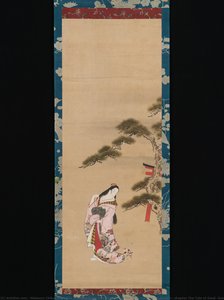


Künstlerbiografie
Frühes Leben und Hintergrund
- Name: Ito Jakuchu (伊藤 若冲)
- Andere Namen: Keine
- Herkunft: AllPaintingsStore, ursprünglich aus Kyoto, Japan
- Geboren: 2. März 1716 in Kyoto, Japan
- Gestorben: 27. Oktober 1800 (im Alter von 84 Jahren)
- Familienhintergrund: Ito Jakuchu war der älteste Sohn von Ito Genzaemon, einem Gemischtwarenhändler im Stadtzentrum Kyotos im Bezirk Nishiki. Dies deutet auf einen relativ komfortablen Aufstieg innerhalb eines kommerziellen Umfelds hin.
- Frühe künstlerische Neigung: Er zeigte bereits in der Kindheit ein Talent zum Malen.
Künstlerischer Stil und Hauptwerke
- Unverwechselbarer Stil: Ito Jakuchu ist bekannt für seine einzigartige Mischung aus traditionellen japanischen Themen mit experimentellen Perspektiven und modernen stilistischen Elementen. Sein realistischer Stil erlangte große Popularität neben Maruyama Okyo.
- Wiederkehrende Themen: Viele seiner Gemälde zeigen traditionell japanische Motive, insbesondere Hühner und andere Vögel. Er erforschte auch Themen im Zusammenhang mit dem Zen-Buddhismus.
- Bemerkenswerte Werke:
- Fünfhundert Arhats: Ein bedeutendes Werk, das sein künstlerisches Können demonstriert.
- Hanshan und Shide (Japanisch: Kanzan und Jittoku): Zeigt seine Fähigkeit, die japanische Kultur einzufangen.
- Krabben und Pfingstrosen: Ein weiteres Beispiel für seinen charakteristischen Stil.
- Bohnenranke: Ein Sumi-e Meisterwerk, das die Natur und die Zen-Philosophie darstellt und komplizierte Details und eine friedliche Schönheit hervorhebt.
- Zwei Kraniche: Veranschaulicht weiter sein künstlerisches Können.
- Alte Kiefer: Ein Meisterwerk, das seinen charakteristischen Pinselstrichstil zeigt (101 x 40 cm, Seide).
- Doshoku Sai-e: Er ist besonders berühmt für seine akribischen polychromen Darstellungen von Vögeln und Blumen.
Einflüsse und künstlerische Entwicklung
- Zen-buddhistische Ideale: Jakuchus Werk wurde tiefgreifend von den Prinzipien des Zen-Buddhismus beeinflusst, was einen kontemplativen Ansatz in der Kunst widerspiegelt.
- Kyotos kommerzielle Gesellschaft: Sein Bewusstsein für seine Rolle innerhalb der zunehmend kommerziellen kyotischen Gesellschaft prägte auch seine künstlerische Perspektive.
- Mögliche Mentorenschaft: Es wird gesagt, dass er unter Ōoka Shunboku studierte, einem in Osaka ansässigen Künstler der Kano-Schule, der für Vogel- und Blumenmalereien bekannt ist.
- "Lineage of Eccentrics": Nobuo Tsujis Buch *Kisō no Keifu* (Lineage of Eccentrics) hatte einen bedeutenden Einfluss auf das Verständnis von Jakuchus Platz in der Kunstgeschichte und hob ihn als Schlüsselfigur innerhalb dieser Bewegung hervor, die sich von der Tradition löste.
Historische Bedeutung und Vermächtnis
- Revolutionierte die japanische Kunstgeschichte: Tsujis *Kisō no Keifu* popularisierte Malerei der Edo-Zeit und etablierte Ito Jakuchu als ihre prominenteste Figur.
- Einfluss auf Ukiyo-e: Seine Verbindung zur Ukiyo-e-Kunstbewegung festigte seinen Einfluss auf die japanische Kunst weiter.
- Einzigartige künstlerische Vision: Jakuchus Bereitschaft, zu experimentieren und Konventionen herauszufordern, machte ihn zu einem Pionier der japanischen Malerei und hinterließ ein bleibendes Erbe für zukünftige Künstler.
- Daiten Kenjos Biographie: Eine Biographie des Zen-Mönchs Daiten Kenjo aus dem Jahr 1766 liefert wertvolle Einblicke in Jakuchus künstlerische Philosophie, weist auf seine Abneigung hin, Menschen darzustellen, und hebt seinen Fokus auf Vögel und Blumen hervor.

Ito Jakuchū
1716 - 1800 , Japan
Kurzinfos
- Beeinflusste Künstler: ['Ōoka Shunboku']
- Bemerkenswerte Werke:
- Fünfhundert Arhats
- Hanshan und Shide
- Krabben und Pfingstrosen
- Bohnenranke
- Zwei Kraniche
- Alte Kiefer
- Geburtsdatum: 2. März 1716
- Geburtsort: Kyoto, Japan
- Künstlerische Richtung: Ukiyo-e, Zen Buddhismus
- Nationalität: Japanisch
- Sterbedatum: 27. Oktober 1800
- Vollständiger Name: Ito Jakuchu
- Von Künstlern Beeinflusst:
- Maruyama Ōkyo
- Lineage of Eccentrics
Ähnliche Artikel

Katsushika Hokusai: Die 25 Meisterwerke des Ukiyo-e – Kunst für Ihr Zuhause | AllPaintingsStore
Entdecken Sie die 25 Meisterwerke von Katsushika Hokusai! Tauchen Sie ein in die Welt des Ukiyo-e, berühmte Holzschnitte wie 'Die große Welle' & Fuji-Ansichten. Hochwertige Kunstdrucke für Ihr Zuhause – jetzt auf AllPaintingsStore.com!

Romantische Landschaften: Die 10 Meisterwerke, die eine Epoche prägten | AllPaintingsStore
Entdecken Sie die 10 Meisterwerke der Romantischen Landschaftsmalerei! Von Caspar David Friedrich bis Turner – erleben Sie die Kunst, Emotion & Natur. Hochwertige Reproduktionen auf AllPaintingsStore.com

Evocations of Place: A Historical Journey Through Landscape Art
Explore the rich history of landscape art with AllPaintingsStore. Discover renowned artists, movements like Impressionism & Romanticism, and expert guidance for collecting timeless pieces. Find your perfect serene escape today!
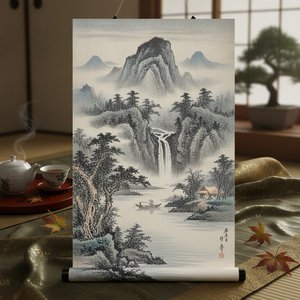
Serenity on Canvas: A Guide to the Timeless Beauty of Japanese Landscape Painting
Discover the serene beauty of Japanese landscape painting. From Hokusai's iconic woodblock prints to meditative sumi-e ink washes, explore a visual journey through the 'floating world' and learn how to bring this timeless Zen aesthetic into your modern home decor.
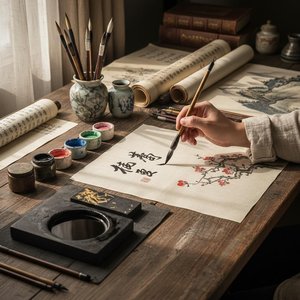
The Alchemy of Ink: Mastering the Timeless Beauty and Art History of Paper and Brush
Embark on a sophisticated exploration of ink wash painting and Sumi-e. Uncover the profound historical lineages, Zen philosophies, and technical mastery behind this timeless medium in our authoritative guide for fine art enthusiasts.


