Versenden
 Teilen
 Details anzeigen

 Herunterladen
 Ähnliche Objekte
 Diashow
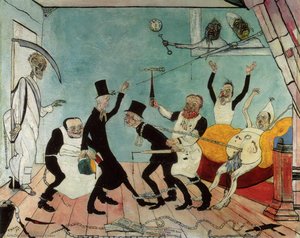
Strange Insects


 Weiterlesen
Giclée / Kunstdruck
Giclée- oder Leinwanddruck in Museumsqualität mit schneller Produktion und flexiblen Veredelungsoptionen. ( Handgemaltes Gemälde kaufen Bild kaufen)




































Wählen Sie aus unseren vordefinierten Formaten, die den ursprünglichen Proportionen des Kunstwerks entsprechen.

Sie können Ihre eigenen Maße eingeben, um ein bestimmtes Format oder einen speziellen Platz einzupassen. Wenn das von Ihnen gewählte Format nicht den Proportionen des Originalbildes entspricht, werden wir das Kunstwerk entweder beschneiden oder das Bild mit einem gespiegelten oder einfarbigen Rand erweitern. Ein digitaler Entwurf wird Ihnen zur Genehmigung zugesandt, bevor die Produktion beginnt.
Bitte beachten Sie, dass die Vorschau auf dem Bildschirm nicht den tatsächlichen Zuschnitt oder die Erweiterung widerspiegelt. Nur der Entwurf zeigt die endgültige Komposition präzise an.
Obwohl Sondermaße verfügbar sind, empfehlen wir die Auswahl eines Maßes aus der vordefinierten Liste, um die ursprünglichen Proportionen zu bewahren.
Weltweiter Versand () innerhalb von 2 Wochen statt der üblichen 4/5 Wochen. (12 August)

Kostenloser weltweiter Expressversand

Hochwertige Leinenleinwand

Umfassender Versicherungsschutz beim Versand

Zollgebühren-Rückerstattungsgarantie

Garantie für exakte Farbtreue

60 Tage Rückgaberecht (nur bei Mängeln)

100% Geld-zurück-Garantie

Mengenrabatt verfügbar
 Die Glasoption ist nur für Größen unter 110 cm verfügbar.

Strange Insects
Giclée / Kunstdruck
Format der Reproduktion
-


Gesamtpreis
$ 64
Sammlerstück-Beschreibung
James Ensor's 'Strange Insects': A Descent into the Uncanny
James Ensor’s ‘Strange Insects,’ created around 1920, stands as a profoundly unsettling testament to the artist’s lifelong preoccupation with the grotesque and the psychological. This monochrome drawing, depicting two figures – one conventionally dressed, the other disturbingly insect-like – plunges the viewer into a world of anxiety and distorted perception, hallmarks of Ensor's distinctive artistic vision. The image immediately evokes a sense of unease, fueled by the unsettling juxtaposition of human and non-human forms. It’s not merely a drawing; it’s an invitation to confront the darker aspects of the human condition, rendered with a masterful command of line and shadow.
- Subject Matter: The central figures represent a confrontation between the familiar and the alien. The woman in the dress embodies societal norms and perhaps even a fragile sense of order, while her companion – a towering, insect-like figure – represents primal fears, anxieties, and the potential for monstrous transformation.
- Style & Technique: Ensor’s style is characterized by its raw emotional intensity and deliberate distortion. The drawing employs thick, expressive lines, creating a sense of movement and agitation. The use of black and white amplifies the dramatic effect, stripping away any distractions and focusing attention on the unsettling forms.
A Brussels Workshop & the Seeds of Discontent
Ensor’s artistic journey was deeply rooted in his upbringing and experiences. Born in Ostend, Belgium, in 1860, to an English father and a Belgian mother, he navigated a world of cultural contrasts that would profoundly shape his work. His family's souvenir shop – a repository of carnival masks, shells, and other curiosities – served as a crucial source of inspiration, fostering his fascination with disguise, illusion, and the unsettling beauty of the macabre. This early exposure to theatricality and the exotic undoubtedly contributed to the recurring motifs of masks and monsters that populate his oeuvre. His initial resistance to the rigid academic training at the Académie Royale des Beaux-Arts in Brussels reflects a desire for artistic freedom and an unwillingness to conform to established conventions.
Symbolism & Theatrical Horror
'Strange Insects' is laden with symbolic weight, echoing Ensor’s broader thematic concerns. The insect figure can be interpreted as representing the subconscious, the repressed, or perhaps even societal anxieties about disease and decay. The bird in the upper left corner adds another layer of complexity – often associated with omens and warnings, it could symbolize impending doom or a distorted sense of freedom. Ensor frequently employed theatrical elements in his work, drawing inspiration from carnivals, circuses, and religious processions. This influence is evident in the dramatic composition and the heightened emotional intensity of ‘Strange Insects,’ creating an atmosphere akin to a nightmare vision.
Emotional Impact & Artistic Legacy
Ensor’s art continues to resonate with viewers today due to its unflinching exploration of human anxieties and its masterful manipulation of form and emotion. 'Strange Insects' is not a comfortable image; it demands engagement, provoking a visceral response rooted in fear and fascination. It exemplifies Ensor’s ability to translate psychological states into visual terms, creating works that are both deeply personal and universally relevant. As a hand-painted reproduction, this artwork offers an unparalleled opportunity to experience the full force of Ensor's vision – a chilling reminder of the darkness that resides within us all.
Ähnliche Kunstwerke


Über den Künstler
frühes Leben und künstlerische Reise
James Sidney Edward, Baron Ensor, ein prominenter belgischer Maler und Grafiker, wurde am 13. April 1860 in Ostend, Belgien, geboren. Sein frühes Leben war von einem vielfältigen kulturellen Hintergrund geprägt, mit einem englischen Vater, James Frederic Ensor, und einer belgischen Mutter, Maria Catherina Haegheman. Ensor zeigte wenig Interesse an traditionellen akademischen Studien und verließ die Schule mit fünfzehn Jahren, um sich der Kunst zu widmen, zunächst bei lokalen Malern und später am Académie Royale des Beaux-Arts in Brüssel.Künstlerischer Stil und Themen
Ensor's künstlerischer Stil war durch seine Auseinandersetzung mit dem Unterbewusstsein und traumhaften Bildern gekennzeichnet, der die Expressionismus und Surrealismus maßgeblich beeinflusste. Seine Gemälde zeigten oft bizarre Motive, darunter Karnevale, Masken, Puppenspiel, Skelette und fantastische Allegorien. Bekannte Werke sind Die Schändlichen Masken (1883) und Skelette kämpfen um eine gehängte Person (1891), die seine einzigartige Mischung aus Groteskem und Fantasievollem zeigen.Anerkennung und Vermächtnis
Trotz anfänglicher Ablehnung gewann Ensor's Werk allmählich Anerkennung und Anklang. Bis 1920 war er das Thema bedeutender Ausstellungen; im Jahr 1929 wurde er zum Baron durch König Albert ernannt, und 1933 erhielt er die Légion d’honneur. Sein Vermächtnis als Pionier der modernen Kunst ist in seinem Einfluss auf nachfolgende künstlerische Bewegungen, einschließlich Expressionismus und Surrealismus, erkennbar.Wichtige Werke und Ausstellungen
* Die Intrige (90 x 150 cm, Koninklijk Museum voor Schone Kunsten, Antwerpen, Belgien) * Die Qualen des Heiligen Antonius (1887, heute im Besitz der Sammlung des Museum of Modern Art, New York)- Erfahren Sie mehr über das Leben und Werk von James Ensor auf AllPaintingsStore: James Ensor
- Entdecken Sie das Museum Mu.Zee in Ostend, Belgien, das eine Sammlung belgischer Kunst von 1830 bis heute beherbergt auf AllPaintingsStore: Entdecken Sie das Museum Mu.Zee in Ostend, Belgien
- Erfahren Sie mehr über Malerei des Symbolismus und seinen Einfluss auf Expressionismus und Surrealismus auf Wikipedia: Symbolistische Malerei
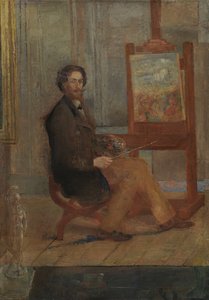
James Ensor
1860 - 1949 , Belgien
Kurzinfos
- Beeinflusste Künstler:
- Pieter Bruegel der Ältere
- Francisco Goya
- Bemerkenswerte Werke:
- Die Schmählichen Masken
- Christus in Brüssel
- Tribulationen des Heiligen Antonius
- Geburtsdatum: 1860-04-13
- Geburtsort: Ostende, Belgien
- Künstlerische Richtung: Expressionismus, Symbolismus
- Nationalität: Belgisch
- Todatum: 1949-11-19
- Vollständiger Name: James Ensor
- Von Künstlern Beeinflusst: ['']
Ähnliche Artikel

The Art of Emphasis: Scaling Artwork for Impactful Statement Walls
Elevate your interiors with impactful statement walls! Expert guide on scaling artwork for perfect proportions & design harmony. Custom solutions & free consultations at AllPaintingsStore.
Max Ernsts Meisterwerke: Die Top 25 Kunstwerke für Ihr Zuhause | AllPaintingsStore
Entdecken Sie die 25 bedeutendsten Kunstwerke von Max Ernst! Tauchen Sie ein in die Welt des Surrealismus, Dada und abstrakter Malerei. Hochwertige Kunstreproduktionen & Inspiration für Ihr Zuhause bei AllPaintingsStore.com.
Die 10 legendärsten Radierungen: Meisterwerke, die Kunstgeschichte schrieben | AllPaintingsStore
Entdecken Sie die 10 legendärsten Radierungen von Rembrandt, Dürer & Goya! Erfahren Sie die Geschichten hinter diesen Meisterwerken der Kunstgeschichte und lassen Sie sich für Ihre Wohnräume inspirieren. Hochwertige Kunstdrucke auf AllPaintingsStore.com.

Surrealismus: Die 10 Meisterwerke, die eine Kunstbewegung prägten | AllPaintingsStore
Entdecken Sie die 10 prägendsten Meisterwerke des Surrealismus! Von Dalí bis Magritte – erfahren Sie die Geschichten hinter ikonischen Gemälden und lassen Sie sich von Traumlandschaften & abstrakter Kunst inspirieren. Kunstdrucke in Museumsqualiät auf AllPaintingsStore.com.

Transforming Spaces: A Comprehensive Exploration of Wall Decor Through Art History & Contemporary Practice
Explore the art of transforming spaces with our comprehensive guide to wall decor. From historical movements to contemporary trends, discover how to curate impactful interiors and commission bespoke artwork for a truly personalized aesthetic.