


 In echtem Maßstab anzeigen
 Versenden als Grußkarte
 Teilen
 Details anzeigen
 Leitfaden öffnen

 Herunterladen
 Ähnliche Objekte
 Röntgenaufnahme
 Diashow
 Besucherstatistiken
The Madonna of Canon van der Paele (detail)


 Mehr anzeigen
Giclée / Kunstdruck
Giclée- oder Leinwanddruck in Museumsqualität mit schneller Produktion und flexiblen Veredelungsoptionen. ( Handgemalte Reproduktion kaufen Zum digitalen Bild wechseln)




P118B $10

P118H $10

P118W $10

P438Z $10

P508JH $12

P508YH $12

P805H $10

P805Z $10

P919BZ $10

P919G $10

P919XJ $10

P959ZH $10

P968JZ $12

W106C $8

W218G $10

W218JH $8

W218Y $10

W307PJ $10

W316G $10

W316PJ $8

W316Y $10

W398PJ $8

W4111J $10

W500HY $15

W500JH $15

W692G $12

W849H $8

W940BG $15

W953PJ $8




Wählen Sie aus unseren vordefinierten Formaten, die den ursprünglichen Proportionen des Kunstwerks entsprechen.

Sie können Ihre eigenen Maße eingeben, um ein bestimmtes Format oder einen speziellen Platz einzupassen. Wenn das von Ihnen gewählte Format nicht den Proportionen des Originalbildes entspricht, werden wir das Kunstwerk entweder beschneiden oder das Bild mit einem gespiegelten oder einfarbigen Rand erweitern. Ein digitaler Entwurf wird Ihnen zur Genehmigung zugesandt, bevor die Produktion beginnt.
Bitte beachten Sie, dass die Vorschau auf dem Bildschirm nicht den tatsächlichen Zuschnitt oder die Erweiterung widerspiegelt. Nur der Entwurf zeigt die endgültige Komposition präzise an.
Obwohl Sondermaße verfügbar sind, empfehlen wir die Auswahl eines Maßes aus der vordefinierten Liste, um die ursprünglichen Proportionen zu bewahren.
Weltweiter Versand () innerhalb von 2 Wochen statt der üblichen 4/5 Wochen. (26 September)

Kostenloser weltweiter Expressversand

Hochwertige Leinenleinwand

Vollständiger Versicherungsschutz beim Versand

Zollgebühren-Rückerstattungsgarantie

Garantie für exakte Farbtreue

100-tägiges Rückgaberecht (nur bei Mängeln)

100% Geld-zurück-Garantie

Angebot für Mengenrabatt
 Die Glasoption ist nur für Größen unter 110 cm verfügbar.

The Madonna of Canon van der Paele (detail)
Giclée / Kunstdruck
Format der Reproduktion
-


Gesamtpreis
$ 64
A Renaissance Masterpiece: Unveiling Jan van Eyck’s “The Madonna of Canon van der Paele (detail)”
This exquisite detail from Jan van Eyck's "The Madonna of Canon van der Paele," completed in 1436, offers a captivating glimpse into the dawn of the Northern Renaissance. Van Eyck, a pivotal figure in art history, elevates oil painting to unprecedented levels of realism and symbolic depth within this remarkable work.Subject & Composition
The detail focuses on the intimate interaction between the Virgin Mary, holding the Christ Child, and Joris van der Paele, the canon for whom the altarpiece was commissioned. The composition is striking – a devotional scene unfolding within an imagined architectural space that blends Gothic and Romanesque elements. Van Eyck masterfully arranges figures and objects to create a harmonious balance between sacred representation and earthly presence. The inclusion of Saint George and Saint Donatian, flanking Mary and Jesus, further enriches the narrative.Artistic Technique & Innovation
Van Eyck’s groundbreaking use of oil paint is central to this work's enduring appeal. Unlike tempera, oil allowed for meticulous layering, creating luminous colors, subtle gradations of light and shadow, and an astonishing level of detail. Observe the delicate rendering of fabrics – the rich velvet, shimmering silk, and luxurious fur – each texture brought to life with painstaking precision. This technique not only enhanced realism but also imbued the painting with a sense of tangible presence.Historical Context & Patronage
Created during a period of burgeoning artistic innovation in the Netherlands, “The Madonna of Canon van der Paele” reflects the growing wealth and sophistication of the Burgundian court. Commissioned as an altarpiece for St. Donatian’s Church in Bruges, it served both as a devotional object and a testament to Van der Paele's piety and status. The painting provides valuable insight into the religious beliefs and artistic tastes of 15th-century Flanders.Symbolism & Meaning
Every element within the painting carries symbolic weight. The Virgin Mary embodies purity and divine motherhood, while the Christ Child represents innocence and salvation. The inclusion of Joris van der Paele himself suggests a personal connection to the sacred scene – his presence signifies devotion and a desire for intercession.- The birds above Mary’s head are often interpreted as symbols of the soul or spiritual aspiration.
- The vase of lilies represents purity and the Virgin's virtue.
- The clock, an unusual element in religious art, may symbolize the passage of time and the inevitability of mortality.
Emotional Impact & Lasting Legacy
“The Madonna of Canon van der Paele” evokes a sense of reverence, tranquility, and profound spiritual contemplation. Van Eyck’s masterful technique and symbolic richness create an immersive experience for the viewer, inviting them to connect with the sacred narrative on a deeply personal level. This painting remains a cornerstone of Early Netherlandish art, influencing generations of artists and continuing to inspire awe and admiration today.Bringing Renaissance Beauty into Your Space
For those seeking to enrich their homes or collections with timeless artistry, high-quality reproductions of this masterpiece are available. These meticulously crafted replicas capture the essence and beauty of Van Eyck’s original vision, allowing you to experience the splendor of the Northern Renaissance firsthand.Ähnliche Kunstwerke


Biografie des Künstlers
frühes Leben und Karriere
Jan van Eyck, eine herausragende Figur der frühen niederländischen Malerei, wurde um 1390 in Maaseik, heutiges Belgien, geboren. Bis 1422 hatte er sich als Meistermaler mit Werkstatt und Assistenten in Brügge etabliert. Er diente John III den Unbarmherzigen und später Philipp dem Guten, Herzog von Burgund, als Hofmaler und genoss hohes Ansehen und war an diplomatischen Bemühungen beteiligt.Künstlerische Beiträge
Van Eycks Werke, die zunächst im Stil der internationalen Gotik verwurzelt waren, überschritten ihre Grenzen durch seinen verstärkten naturalistischen Ansatz und die innovative Verwendung von Ölfarbe. Dies setzte einen neuen Standard in der Kunstwelt und machte ihn zu einem Pionier der frühen niederländischen Malerei. Zu seinen bemerkenswertesten Werken gehören:- Gott Vater (212 x 83 cm, nördliche Renaissance, Öl auf Holzplatte, anschaulich auf AllPaintingsStore.com)
- Portrait eines jungen Mannes (33 x 19 cm, nördliche Renaissance, Öl auf Holzplatte, anschaulich auf AllPaintingsStore.com)
- Dresdener Dreipietà (Jungfrau mit dem Kind mit St. Michael und St. Katharina und einer Darstellerin) (28 x 38 cm, Gemäldegalerie Alte Meister, Dresden, Deutschland, nördliche Renaissance, Holz, anschaulich auf AllPaintingsStore.com)
- Portrait von Giovanni Arnolfini und seiner Frau (Detail) (Nationalgalerie, London, Vereinigtes Königreich, Öl, anschaulich auf AllPaintingsStore.com)
- Mann mit blauer Turban (17 x 23 cm, Nationalmuseum für Kunst in Bukarest, Rumänien, nördliche Renaissance, Holz, anschaulich auf AllPaintingsStore.com)
Vermächtnis und Einfluss
Van Eycks Einfluss war tiefgreifend und legte den Grundstein für das blühende Zeitalter der frühen niederländischen Malerei. Seine innovative Verwendung von Ölfarbe verlieh seinen Werken Tiefe und Realismus, was ihn zu einer **bemerkenswerten Figur in der Kunstwelt** machte. Um mehr über die Werke von Jan van Eyck und die frühe niederländische Malerei zu erfahren, besuchen Sie Jan van Eycks Seite auf AllPaintingsStore.com.Weitere Literatur
* Wikipedia: [Jan van Eyck](https://en.wikipedia.org/wiki/jan_van_eyck) * AllPaintingsStore.com: Nordniederländischer Maler * AllPaintingsStore.com: Die frühe niederländische Kunstbewegung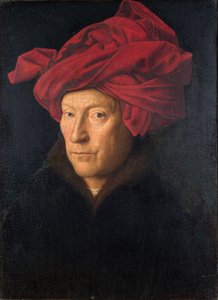
Jan van Eyck
1390 - 1441 , Niederlande
Eckdaten zum Künstler
- Beeinflusste Künstler: ['Gerard David']
- Bemerkenswerte Werke:
- Genter Altarbild
- Arnolfini-Porträt
- Dresdner Triptychon
- Mann mit blauem Turben
- Geburtsdatum: ca. 1390
- Geburtsort: Maastricht, Niederlande
- Künstlerische Bewegung: Frühflämische Malerei
- Künstlerische Einflüsse:
- Hubert van Eyck
- Manuskriptillumination
- Nationalität: Niederländisch
- Todatum: 1441
- Vollständiger Name: Jan van Eyck
Verwandte Artikel

Early Netherlandish Renaissance: A Professional Guide to Mastering Detail and Realism for Luxury Interior Design
Expert guide for hotel designers on sourcing Early Netherlandish Renaissance reproductions. Discover how the hyper-realism of Jan van Eyck can elevate hospitality interiors through high-quality, large-scale oil paintings and custom multi-panel installations.


