


 Vorschau anzeigen
 Versenden
 Teilen
 Details anzeigen

 Herunterladen
 Ähnliche Objekte
 Röntgenaufnahme
 Diashow
Liebre


 Weiterlesen
Giclée / Kunstdruck
Giclée- oder Leinwanddruck in Museumsqualität mit schneller Produktion und flexiblen Veredelungsoptionen. ( Handgemalte Reproduktion bestellen Bild kaufen)




P118B $10

P118H $10

P118W $10

P438Z $10

P508JH $12

P508YH $12

P805H $10

P805Z $10

P919BZ $10

P919G $10

P919XJ $10

P959ZH $10

P968JZ $12

W106C $8

W218G $10

W218JH $8

W218Y $10

W307PJ $10

W316G $10

W316PJ $8

W316Y $10

W398PJ $8

W4111J $10

W500HY $15

W500JH $15

W692G $12

W849H $8

W940BG $15

W953PJ $8




Wählen Sie aus unseren vordefinierten Formaten, die den ursprünglichen Proportionen des Kunstwerks entsprechen.

Sie können Ihre eigenen Maße eingeben, um ein bestimmtes Format oder einen speziellen Platz einzupassen. Wenn das von Ihnen gewählte Format nicht den Proportionen des Originalbildes entspricht, werden wir das Kunstwerk entweder beschneiden oder das Bild mit einem gespiegelten oder einfarbigen Rand erweitern. Ein digitaler Entwurf wird Ihnen zur Genehmigung zugesandt, bevor die Produktion beginnt.
Bitte beachten Sie, dass die Vorschau auf dem Bildschirm nicht den tatsächlichen Zuschnitt oder die Erweiterung widerspiegelt. Nur der Entwurf zeigt die endgültige Komposition präzise an.
Obwohl Sondermaße verfügbar sind, empfehlen wir die Auswahl eines Maßes aus der vordefinierten Liste, um die ursprünglichen Proportionen zu bewahren.
Weltweiter Versand () innerhalb von 2 Wochen statt der üblichen 4/5 Wochen. (21 August)

Kostenloser weltweiter Expressversand

Hochwertige Leinenleinwand

Umfassender Versicherungsschutz beim Versand

Zollgebühren-Rückerstattungsgarantie

Garantie für exakte Farbtreue

60 Tage Rückgaberecht (nur bei Mängeln)

100% Geld-zurück-Garantie

Mengenrabatt verfügbar
 Die Glasoption ist nur für Größen unter 110 cm verfügbar.

Liebre
Giclée / Kunstdruck
Format der Reproduktion
-


Gesamtpreis
$ 64
Sammlerstück-Beschreibung
A Surrealist Vision in the Catalan Desert
In the evocative depths of Joan Miró’s "Liebre" (Rabbit), viewers are transported into a dreamscape where the boundaries between reality and the subconscious dissolve. Painted during the tumultuous years between 1943 and 1945, this masterpiece serves as a window into the artist's profound ability to distill complex emotions into simplified, primal forms. The canvas presents a desolate, desert-like environment, an expanse that feels both vast and intimate. Within this arid landscape, a carefully choreographed dance of life unfolds: two birds drift through the composition, while three cows wander across the terrain. This arrangement of animals is not merely a depiction of fauna but a symbolic arrangement of life forces moving through a void, creating a visual paradox that captures the very essence of Surrealist imagination.
The atmosphere of the piece is defined by its hauntingly beautiful palette. Miró employs a sophisticated interplay of ochres, oranges, and deep blues to construct a world that feels both ancient and otherworldly. The vibrant orange sky acts as a dramatic backdrop, casting a warm yet melancholic light over the scene, which heightens the sense of solitude and metamorphosis. For the collector or interior designer, this painting offers a captivating focal point; its ability to command attention through color and space makes it an ideal centerpiece for spaces that require a touch of intellectual depth and emotional resonance.
Technique and the Language of Abstraction
Miró’s approach in "Liebre" exemplifies his departure from traditional realism toward a more liberated, gestural technique. Eschewing the rigid constraints of academic painting, he utilizes thick, expressive brushstrokes that imbue the canvas with a palpable, rhythmic energy. The style is a masterful blend of Abstract Expressionism and Surrealist symbolism, where geometric shapes—circles, lines, and squares—are used to communicate intuition rather than literal accuracy. This technique allows the viewer to experience the painting not as a static image, but as a living, breathing entity.
The fluidity of his hand is evident in how the forms of the birds and cows are rendered; they are stripped of unnecessary detail, leaving behind only the essential essence of their being. This reductionist approach invites the observer to participate in the creation of meaning, filling the gaps with their own subconscious projections. Such a technique ensures that the artwork remains eternally fresh, offering new layers of interpretation upon every viewing.
Historical Resonance and Emotional Depth
To truly appreciate "Liebre," one must consider the shadows cast by the era in which it was conceived. Created amidst the global upheaval of World War II and the oppressive atmosphere of Franco’s dictatorship in Spain, the painting carries a weight of resilience. The desolate landscape can be read as a metaphor for the isolation felt during times of conflict, yet the presence of the animals suggests a persistent, defiant vitality. Miró uses his Catalan identity to anchor these abstract forms, weaving a narrative of survival and cultural endurance through visual metaphors that bypassed the censors of his time.
For those seeking to adorn their homes or galleries with a piece of art history, "Liebre" offers more than just aesthetic beauty. It provides an emotional sanctuary—a space for contemplation and wonder. Whether it is used to add a sophisticated pop of color to a modern minimalist room or to serve as a conversation starter in a curated collection, this reproduction brings the profound, transformative power of Miró’s vision into the contemporary living space. It is an invitation to embrace the mystery of the unknown and to find beauty in the most unexpected of dreamscapes.
Ähnliche Kunstwerke


Über den Künstler
**frühes Leben und Karriere**
joan miró, ein renommierter spanischer Maler, Bildhauer und Keramiker, wurde am 20. April 1893 in Barcelona, Spanien, geboren. Seine Familie, von jüdischen (Marrano oder Konverso) Wurzeln, hatte einen bedeutenden Einfluss auf sein frühes Leben. Mirós Vater, Miquel Miró Adzerias, war Goldschmied und Uhrmacher, was möglicherweise der Künstlersein Interesse an komplizierten Details inspirierte.**Künstlerische Entwicklung**
Miró begann mit sieben Jahren mit Zeichenunterricht in einer privaten Schule in Barcelona. Später nahm er am Kunstakademie La Llotja auf, trotz Ablehnung durch seinen Vater. Dies markierte den Beginn von Mirós künstlerischer Reise, die schließlich zu seiner Pionierarbeit im Surrealismus und abstrakter Kunst führte.**Bekannte Werke und Kooperationen**
* The Farm (1922), ein Gemälde, das Mirós Übergang zu einem individuelleren Stil zeigt, mit nationalistischen Zügen. * Zusammenarbeit mit Max Ernst bei der Gestaltung von Sergei Diaghilews Ballett 1926, die die Technik des Grattage begründete. * The Dutch Interiors (1928), eine Reihe von Gemälden, inspiriert von Hendrik Martenszoon Sorth und Jan Steen, die Mirós einzigartigen Stil zeigt.**Museen und Vermächtnis**
* Die Fundació Joan Miró in Barcelona, gegründet 1975, die Mirós Werke präsentiert. * Die Fundació Pilar i Joan Miró in Palma de Mallorca, gegründet 1981, festigte Mirós Vermächtnis weiter.**Wichtige Werke und ihre Bedeutung**
- Painting (1933), ein abstraktes Ölgemälde, das Mirós surrealistische Vision veranschaulicht.
- Pintura 11, ein weiteres bemerkenswertes abstraktes Werk, das Mirós einzigartigen Stil zeigt.
- The Ear of Corn (37 x 46 cm), ein surrealistisches Werk, das komplizierte Details zeigt.
- The Birth of Day, ein abstraktes Kunstwerk, das Mirós Beiträge zur abstrakten Kunst weiter festigt.
**Fazit**
Mirós Vermächtnis als Pionier des Surrealismus und der abstrakten Kunst ist unbestreitbar. Seine Werke, die in verschiedenen Museen ausgestellt werden, darunter die Fundació Joan Miró, inspirieren weiterhin Künstler und Kunstliebhaber gleichermaßen. Für weitere Informationen über Mirós Werke besuchen Sie [https://AllPaintingsStore.com/@/joan-miro](https://AllPaintingsStore.com/@/joan-miro) oder erkunden Sie seine bemerkenswerten Werke unter [https://AllPaintingsStore.com/@@/8ewky5-joan-miro-painting](https://AllPaintingsStore.com/@@/8ewky5-joan-miro-painting).- Mehr Kunstwerke von Joan Miró auf AllPaintingsStore.com
- Entdecken Sie das Museum Fundació Joan Miró in Barcelona, Spanien
- Erkunden Sie die Biografie und bemerkenswerten Werke des Künstlers unter [https://en.wikipedia.org/wiki/joan_mir%c3%b3](https://en.wikipedia.org/wiki/joan_mir%c3%b3)
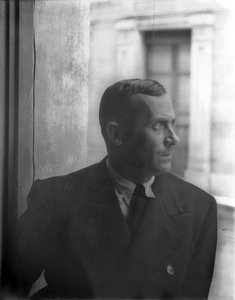
Joan Miró
1893 - 1983 , Spanien
Kurzinfos
- Beeinflusste Künstler:
- Vincent van Gogh
- Paul Cézanne
- Bemerkenswerte Werke:
- Die Farm (1922)
- Dutch Interiors (1928)
- Gemälde (1933)
- Geburtsdatum: 20. April 1893
- Geburtsort: Barcelona, Spanien
- Künstlerischer Stil: Surrealismus, abstrakte Kunst
- Nationalität: Spanisch
- Todatum: 1983
- Vollständiger Name: Joan Miró i Ferrà
Ähnliche Artikel
Joan Mirós Meisterwerke: Die Top 25 für Kunstliebhaber & stilvolles Wohnen
Entdecken Sie die Top 25 Gemälde von Joan Miró! Tauchen Sie ein in die Welt des Surrealismus, abstrakter Kunst & katalanischer Farben. Hochwertige Kunstdrucke & Reproduktionen für Ihr Zuhause – jetzt auf AllPaintingsStore.com!

Abstrakter Expressionismus: Die 10 Meisterwerke, die eine Kunstbewegung prägten |
Entdecken Sie die 10 Meisterwerke des Abstrakten Expressionismus! Von Jackson Pollock bis Mark Rothko – erfahren Sie die Geschichten hinter ikonischen Gemälde und finden Sie hochwertige Reproduktionen für Ihr Zuhause. Jetzt bei entdecken!
Kandinsky: Die 25 Meisterwerke des Abstrakten – Kunst für Ihr Zuhause | AllPaintingsStore
Entdecken Sie die 25 bedeutendsten Gemälde von Wassily Kandinsky! Tauchen Sie ein in die Welt der abstrakten Kunst, des Expressionismus und der Farbkomposition. Hochwertige Kunstdrucke & Inspiration für Ihr Zuhause auf AllPaintingsStore.com.

Geometrische Abstraktion: Die 10 Meisterwerke, die Kunstgeschichte prägten | AllPaintingsStore.com
Entdecken Sie die 10 Meisterwerke der geometrischen Abstraktion! Von Kandinsky bis Mondrian – erleben Sie die Geschichte, Farben & Formen dieser revolutionären Kunstrichtung. Hochwertige Kunstreproduktionen auf AllPaintingsStore.com

Lyrical Abstraction: The Emotional Power of Color and Form in Modern Art History
Explore the profound emotional depth of Lyrical Abstraction. Discover how masters like Raymond Parker used color and form to bridge Impressionism and Abstract Expressionism. Learn about this pivotal movement through our expert-led art history guide.


