Versenden
 Teilen
 Details anzeigen

 Herunterladen
 Ähnliche Objekte
 Diashow
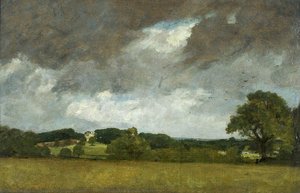
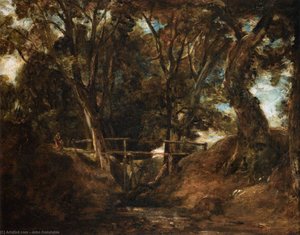
Overbury Hall, Suffolk

 Weiterlesen
Handgefertigte Ölreproduktion
Handgemaltes Ölgemälde auf Leinwand in Ihrer Wunschgröße und mit Rahmen, auf Bestellung von unseren Künstlern angefertigt. ( Zum Druck wechseln Zum Bild wechseln)




































Wählen Sie aus unseren vordefinierten Formaten, die den ursprünglichen Proportionen des Kunstwerks entsprechen.

Sie können Ihre eigenen Maße eingeben, um einen bestimmten Rahmen oder Platz auszufüllen. Wenn die gewählte Größe nicht den Proportionen des Originalbildes entspricht, werden wir das Kunstwerk entweder beschneiden oder das Gemälde durch zusätzliche, handgemalte Elemente erweitern. Ein digitales Mockup wird Ihnen zur Genehmigung zugesandt, bevor die Produktion beginnt.
Bitte beachten Sie, dass die Bildschirmvorschau nicht die tatsächliche Beschneidung oder Erweiterung widerspiegelt. Nur das Mockup zeigt die endgültige Komposition exakt an.
Obwohl Sondermaße verfügbar sind, empfehlen wir, eine Größe aus der vordefinierten Liste zu wählen, um die ursprünglichen Proportionen beizubehalten.
Nach der Bestellung wird das AllPaintingsStore.com-Team dem Kunden Anweisungen per E-Mail zusenden und eine Mockup-Vorschau bereitstellen.
Weltweiter Versand () in nur 3 bis 4 Wochen statt der üblichen 5 Wochen. (9 August). Keine Kompromisse bei der Qualität.

Kostenloser weltweiter Expressversand

Hochwertige Leinenleinwand

Umfassender Versicherungsschutz beim Versand

Zollgebühren-Rückerstattungsgarantie

Garantie für exakte Farbtreue

60 Tage Rückgaberecht (nur bei Mängeln)

100% Geld-zurück-Garantie

Mengenrabatt verfügbar
 Die Glasoption ist nur für Größen unter 110 cm verfügbar.

Overbury Hall, Suffolk
Art der Reproduktion
Format der Reproduktion
-


Gesamtpreis
$ 258
Beschreibung des Kunstwerks
A Suffolk Vision: John Constable’s Overbury Hall
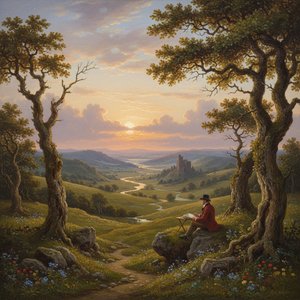
John Constable's “Overbury Hall, Suffolk,” painted in 1815, isn’t merely a depiction of an old building; it’s a carefully constructed meditation on light, texture, and the enduring spirit of rural England. This remarkable pencil drawing, now housed within the Victoria & Albert Museum’s Prints & Drawings Study Room, offers a poignant glimpse into a bygone era – a time when the rhythms of agricultural life intertwined seamlessly with the beauty of the natural world. The scene unfolds in a quiet corner of Suffolk, where Overbury Hall, a modest yet dignified structure, stands nestled amongst rolling fields and a meandering stream. It’s a landscape imbued with a sense of melancholy and timelessness, reflecting Constable's deep connection to his native county.
Constable’s genius lies not just in his technical skill – the meticulous rendering of weathered wood, the subtle gradations of tone achieved through masterful hatching and cross-hatching – but also in his ability to evoke atmosphere. The drawing is dominated by a soft, diffused light, casting long shadows that suggest both the stillness of the afternoon and the passage of time. This atmospheric quality is further enhanced by Constable’s use of perspective; he employs a flattened approach, characteristic of topographical drawings popular at the time, creating an illusion of depth through carefully placed lines and variations in detail. The composition itself is deliberately balanced, with the building anchoring the scene while the surrounding landscape provides a sense of spaciousness and tranquility.
The Painter’s Palette: Technique and Style
Executed entirely in pencil on paper, “Overbury Hall” exemplifies Constable's distinctive style – a blend of meticulous observation and expressive brushwork. He employed a technique known as ‘hatching,’ where parallel lines are drawn closely together to create tonal variations, effectively simulating the texture of wood and stone. Cross-hatching, achieved by layering these hatched lines at an angle, adds further depth and richness to the surface. Notice how Constable meticulously captures the rough grain of the building’s timbers, the unevenness of the fields, and the delicate ripples in the water – each detail rendered with a remarkable degree of sensitivity.
The drawing's overall effect is one of quiet contemplation. The lines are not sharply defined; instead, they possess a fluidity that mirrors the natural world itself. This approach reflects Constable’s belief that painting should be an honest representation of nature, capturing its essence rather than simply imitating its appearance. He was deeply influenced by the works of Claude Lorrain and other Old Masters, but he ultimately developed his own unique style – one characterized by a profound understanding of light, color, and texture.
A Window into Suffolk’s Past
The subject itself, Overbury Hall, is a significant element within the drawing's narrative. While the exact location of the hall remains somewhat debated—scholarly research suggests it may be Overbury Court in Tewkesbury, Worcestershire—it represents a quintessential example of rural architecture from the early 18th century. The building’s modest size and weathered appearance speak to its long history and connection to the land. It's a structure that has witnessed generations of farmers and laborers, silently observing the changing seasons and the ebb and flow of life in Suffolk.
The inclusion of livestock – cows grazing peacefully in the foreground – further reinforces this sense of rural tradition. They are not merely decorative elements; they are integral to the landscape, representing the economic heart of the region. The scene as a whole evokes a feeling of nostalgia for a simpler time—a time when life was closely tied to the rhythms of nature and the land provided sustenance and livelihood.
Symbolism and Emotional Resonance
Beyond its purely representational qualities, “Overbury Hall” is rich in symbolism. The drawing’s muted palette and melancholic atmosphere suggest a sense of loss—the decline of rural life, the fading of traditional ways, and the inevitable passage of time. Yet, there's also an underlying feeling of resilience – a quiet dignity that endures despite the challenges faced by those who inhabit this landscape. Constable’s masterful use of light and shadow creates a powerful emotional resonance, inviting viewers to contemplate the beauty and fragility of the natural world.
Reproductions of “Overbury Hall” offer an exceptional opportunity to bring this evocative scene into your home or office. Whether you're drawn to its historical significance, its artistic merit, or simply its captivating atmosphere, this drawing is a timeless testament to John Constable’s genius and his profound love for the English countryside.


Über den Künstler
**frühes Leben und Schwierigkeiten**
John Constable, ein renommierter britischer Künstler, wurde am 23. Juni 1776 in East Bergholt, Suffolk, geboren. Sein frühes Leben war geprägt von einer tiefen Verbundenheit mit der Natur, die später das Markenzeichen seines künstlerischen Stils werden sollte. Trotz zahlreicher Herausforderungen auf dem englischen Kunstmarkt ebnete Constable mit seiner unerschütterlichen Hingabe an sein Handwerk den Weg für ein Vermächtnis, das weit über seine Zeit hinausgeht.**Künstlerischer Stil und Einfluss**
Constables einzigartiger Ansatz in der Landschaftsmalerei, der durch seinen Fokus auf natürliche Schönheit und emotionale Tiefe geprägt war, markierte einen bedeutenden Wandel im Genre. Sein Einfluss war insbesondere in Frankreich tiefgreifend, wo er eine Schlüsselrolle bei der Gestaltung des Barbizon-Malerkollegs spielte. Diese Schule, die sich auf Realismus und Natur konzentrierte, zog direkt Inspiration von Constables Techniken und Themen.- Netley Abbey (Öl auf Leinwand), ein Beweis für seine Fähigkeit, den Kern natürlicher Landschaften einzufangen.
- The Judges Walk, Hampstead (Romantik, Öl), das seine Fähigkeit demonstriert, persönliche Note in seine Arbeit zu legen.
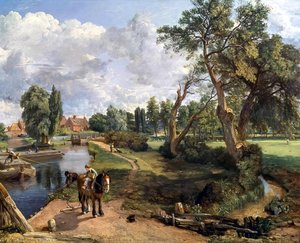
- A View on the Stour near Dedham (129 x 188 cm, Romantik, Öl auf Leinwand), ein Paradebeispiel für seinen Einfluss auf das Landschaftsgemälde.
**Vermächtnis und Erinnerung**
Heute wird John Constable nicht nur als Landschaftsmaler, sondern auch als Pionier in Erinnerung behalten, der neue Möglichkeiten für emotionale Ausdrucksweise in der Kunst eröffnete. Sein tiefgreifender Einfluss auf die Entwicklung der Landschaftsmalerei im 19. Jahrhundert und darüber hinaus ist unbestreitbar. Wichtige Punkte:** * Beeinflussend bei der Entwicklung des Barbizon-Kollegs in Frankreich * Pionier einer neuen Herangehensweise an die Landschaftsmalerei, mit Fokus auf natürliche Schönheit und emotionale Tiefe * Kämpfte während seines Lebenszeit für Anerkennung- Entdecken Sie weitere Werke von Constable hier: https://AllPaintingsStore.com/@/john-constable
- Erkunden Sie die Meisterwerke des Blake Museums (Vereinigtes Königreich) hier: https://AllPaintingsStore.com/@@/d3bux7
- Erfahren Sie mehr über das Barbizon-Kolleg und seinen Einfluss auf die Landschaftsmalerei hier: https://en.wikipedia.org/wiki/barbizon_school
**Fazit**
Das Vermächtnis von John Constable ist ein Beweis für die transformative Kraft der Kunst. Sein Einfluss auf die Landschaftsmalerei, sowohl in seiner Zeit als auch darüber hinaus, erinnert uns daran, wie tiefgreifend ein einzelner Künstler die Welt beeinflussen kann.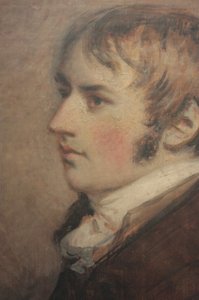
John Constable
1776 - 1837 , Vereinigtes Königreich
Kurzinfos
- Beeinflusste Kunstrichtungen: Barbizon-Schule
- Beeinflusste Künstler:
- Claude Lorrain
- Jacob van Ruisdael
- Bemerkenswerte Werke:
- Netley Abbey
- The Judges Walk, Hampstead
- A View on the Stour
- Geburtsdatum: 23. Juni 1776
- Geburtsort: East Bergholt, Vereinigtes Königreich
- Künstlerischer Stil: Romantik
- Nationalität: Britisch
- Sterbedatum: 1837
- Vollständiger Name: John Constable
Ähnliche Artikel
John Varley I: Intimate Observation & the British Romantic Landscape
Explore the serene landscapes of John Varley I, a key figure in British Romanticism. Discover his unique watercolour style, collaboration with William Blake & lasting artistic legacy. Learn about collecting Varley's work.

Evoking Arcadia: A Historical & Aesthetic Exploration of Rural Landscape Art
Explore the rich history of pastoral landscape art, from classical Arcadia to Impressionism & beyond. Discover key artists, movements, and how to collect serene rural scenes for your home. Expert insights at AllPaintingsStore.

Brian Hatton: A Study in Early 20th-Century British Landscape Painting & Rural Identity
Explore the captivating landscapes & portraits of Brian Hatton (1887-1916), a promising British artist lost too soon. Discover his unique style, Herefordshire roots, and lasting legacy in early 20th-century art.

John Frederick Lewis: Orientalismus, Detail und Genremalerei im 19. Jahrhundert der britischen Kunst
Entdecken Sie das faszinierende Werk von John Frederick Lewis! Wir analysieren seinen Orientalismus, Detailreichtum und seine Genremalerei im Kontext des 19. Jahrhunderts. Expertenwissen zur britischen Kunstgeschichte.

Philip Connard: A Study in British Impressionism & the Evocation of Rural England
Explore the captivating world of Philip Connard (1875-1958), a leading British Impressionist painter renowned for his decorative landscapes and wartime artistry. Discover his life, legacy & available artworks at AllPaintingsStore.