


 Versenden
 Teilen
 Details anzeigen

 Herunterladen
 Ähnliche Objekte
 Diashow
Torture-morte


 Weiterlesen
Giclée / Kunstdruck
Giclée- oder Leinwanddruck in Museumsqualität mit schneller Produktion und flexiblen Veredelungsoptionen. ( Handgemalte Reproduktion bestellen Bild kaufen)




































Wählen Sie aus unseren vordefinierten Formaten, die den ursprünglichen Proportionen des Kunstwerks entsprechen.

Sie können Ihre eigenen Maße eingeben, um ein bestimmtes Format oder einen speziellen Platz einzupassen. Wenn das von Ihnen gewählte Format nicht den Proportionen des Originalbildes entspricht, werden wir das Kunstwerk entweder beschneiden oder das Bild mit einem gespiegelten oder einfarbigen Rand erweitern. Ein digitaler Entwurf wird Ihnen zur Genehmigung zugesandt, bevor die Produktion beginnt.
Bitte beachten Sie, dass die Vorschau auf dem Bildschirm nicht den tatsächlichen Zuschnitt oder die Erweiterung widerspiegelt. Nur der Entwurf zeigt die endgültige Komposition präzise an.
Obwohl Sondermaße verfügbar sind, empfehlen wir die Auswahl eines Maßes aus der vordefinierten Liste, um die ursprünglichen Proportionen zu bewahren.
Weltweiter Versand () innerhalb von 2 Wochen statt der üblichen 4/5 Wochen. (22 August)

Kostenloser weltweiter Expressversand

Hochwertige Leinenleinwand

Umfassender Versicherungsschutz beim Versand

Zollgebühren-Rückerstattungsgarantie

Garantie für exakte Farbtreue

60 Tage Rückgaberecht (nur bei Mängeln)

100% Geld-zurück-Garantie

Mengenrabatt verfügbar
 Die Glasoption ist nur für Größen unter 110 cm verfügbar.

Torture-morte
Giclée / Kunstdruck
Format der Reproduktion
-


Gesamtpreis
$ 64
Sammlerstück-Beschreibung
A Frozen Moment of Decay: Exploring Duchamp's *Torture-morte*
Marcel Duchamp’s Torture-morte (1917) is not merely a photograph; it’s an unsettling meditation on mortality, decay, and the very definition of art itself. Captured by Man Ray, this stark black and white image depicts a human foot, meticulously arranged within a box, swarming with insects – primarily ants, but also beetles and other unidentified arthropods. The scene is brutally honest, devoid of romanticism or idealized beauty, presenting instead a visceral confrontation with the inevitability of decomposition. This seemingly simple composition immediately challenges the viewer’s expectations, forcing an uncomfortable engagement with themes of death, corruption, and the transient nature of existence.
Dadaist Roots and Conceptual Innovation
Created during Duchamp's time within the Dada movement, Torture-morte embodies the group’s core tenets: a rejection of traditional artistic values and a deliberate provocation of societal norms. Dada artists sought to dismantle established hierarchies and expose the absurdity of bourgeois culture. Duchamp, along with Man Ray, embraced chance and accident as creative tools, often photographing seemingly random occurrences. This photograph exemplifies this approach; it’s not a carefully constructed still life intended to represent something beautiful or meaningful, but rather an accidental discovery transformed into a potent artistic statement. The image's genesis is shrouded in anecdote – Man Ray reportedly snapped the picture while attempting to capture a cockroach, and the foot was purportedly that of Duchamp himself. This element of chance adds another layer of complexity to the work’s meaning.
Technique and Composition: A Study in Contrast
The technical execution is deceptively simple yet profoundly effective. Man Ray utilized a relatively primitive camera at the time, resulting in a sharp, almost clinical image that amplifies the horror of the scene. The stark contrast between the pale flesh of the foot and the dark shadows within the box creates a dramatic tension, drawing the viewer’s eye to the overwhelming presence of the insects. The composition itself is deliberately unsettling; the foot, presented in an unnatural state, becomes a symbol of vulnerability and decay. The arrangement of the insects – their deliberate clustering around the foot – suggests a relentless process of consumption, mirroring the destructive forces of time.
Symbolism and Emotional Impact
Beyond its Dadaist origins, Torture-morte resonates with deeper symbolic meanings. The foot, as a symbol of mortality and earthly existence, is subjected to the ravages of nature – represented by the insects. This imagery evokes a sense of anxiety and dread, confronting viewers with their own vulnerability and the ultimate fate of all living things. The title itself, “Torture-morte,” further intensifies this emotional impact, suggesting a prolonged and agonizing process of decay. The photograph’s power lies in its ability to bypass rational thought and tap into primal fears, making it a profoundly disturbing yet undeniably captivating work of art.
A Reproduction for the Connoisseur
AllPaintingsStore offers a meticulously crafted hand-painted reproduction of Torture-morte, capturing every detail of Man Ray’s original photograph with exceptional fidelity. Utilizing archival quality materials and employing skilled artists who understand Duchamp's intent, this reproduction ensures that you possess an authentic representation of this iconic work. Perfect for collectors seeking a piece of Dadaist history or interior designers aiming to inject a dose of provocative beauty into their spaces, this reproduction is more than just an image; it’s an experience – a frozen moment of decay that continues to challenge and disturb us over a century later.
Ähnliche Kunstwerke


Über den Künstler
frühes Leben und künstlerische Anfänge
Marcel Duchamp, ein französischer-amerikanischer Maler, Bildhauer, Schachspieler und Schriftsteller, wurde am 28. Juli 1887 in Blainville-Crevon, Normandie, Frankreich, geboren. Seine Familie, die für ihre kulturellen Neigungen bekannt war, förderte sein frühes Interesse an der Kunst. Duchamps künstlerischer Weg begann mit postimpressionistischen Stilen und experimentierte er mit klassischen Techniken und Themen.Künstlerische Entwicklung und bedeutende Werke
- Duchamps Werk ist mit Kubismus, Konzeptkunst und Dada verbunden, obwohl er vorsichtig mit dem Begriff „Dada“ umging.
- Eines seiner bekanntesten Werke, Fountain (1917), ein Urinal mit der Unterschrift „r. mutt“, ist ein Beispiel für seine Readymades und stellt die Vorstellung in Frage, was Kunst ausmacht.
- Portrait of Chess Players (1911), ein kubistisches Werk, zeigt sein Interesse am Spiel und seinen strategischen Aspekten.
- To Be Looked At (From the Other Side of the Glass) With One Eye, Close To, For Almost an Hour (1945) ist ein weiteres bemerkenswertes Werk, das seine dadaistischen Neigungen widerspiegelt.
Einfluss und Vermächtnis
Duchamps Einfluss auf die Kunst des 20. Jahrhunderts ist immens. Zusammen mit Pablo Picasso und Henri Matisse definierten er die bildenden Künste im frühen 20. Jahrhundert. Sein konzeptueller Ansatz zur Kunst hat Generationen von Künstlern beeinflusst.- Entdecken Sie mehr von Duchamps Werken auf AllPaintingsStore: Marcel Duchamp | Werke
- Besuchen Sie das Ohara Museum of Art in Japan, das westliche Kunstsammlungen umfasst, darunter einige, die vom Stil von Duchamp beeinflusst sind: Ohara Museum of Art, Japan
- Erfahren Sie mehr über Lettrismus, eine Bewegung, die von Dada und Surrealismus beeinflusst wurde, der Duchamp angehörte: Lettrismus Kunstbewegung
Fazit
Marcel Duchamps rätselhafter Ansatz zur Kunst, der konzeptuelle und dadaistische Elemente verbindet, hat einen unauslöschlichen Eindruck in der Kunstwelt hinterlassen. Sein Vermächtnis inspiriert weiterhin Künstler und beeinflusst die Entwicklung moderner und zeitgenössischer Kunst. Franck Scurti, ein französischer Künstler, der für seine Konzeptkunst bekannt ist, geht in den Fußstapfen von Duchamp und trägt so zum Vermächtnis dieses Pioniers weiter.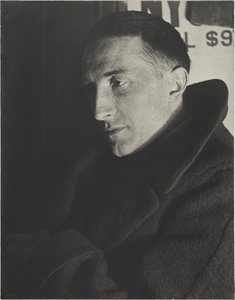
Marcel Duchamp
1887 - 1968 , Frankreich
Kurzinfos
- Bemerkenswerte Werke:
- Fountain
- Porträt der Schachspieler
- Das große Glas
- L.H.O.O.Q.
- Boîte-en-valise
- Geburtsdatum: 28. Juli 1887
- Geburtsort: Blainville-sur-Mer, Frankreich
- Künstler Oder Bewegungen, Von Denen Dieser Künstler Beeinflusst Wurde: ['Franck Scurti']
- Künstlerische Bewegung:
- Kubismus
- Dadaismus
- Konzeptkunst
- Nationalität: Französisch-Amerikanisch
- Todatum: 1968
- Vollständiger Name: Marcel Duchamp
Ähnliche Artikel

AllPaintingsStore.com F.A.Q.: Elevate Your Decor with Premium Textured Giclée Prints
Discover the distinction of AllPaintingsStore.com premium textured Giclée prints. Expertly crafted with archival 12-color pigments and museum-grade substrates, our prints offer unparalleled vividness for the discerning collector seeking luxury, durability, and timeless elegance.


