


 Vorschau anzeigen
 Versenden
 Teilen
 Details anzeigen
 Leitfaden

 Herunterladen
 Ähnliche Objekte
 Röntgenaufnahme
 Diashow
 Statistiken
Ofrenda funeraria

 Weiterlesen
Die auf dieser Seite dargestellten Kunstwerke sind urheberrechtlich geschützt, was bedeutet, dass wir keine identische Reproduktion rechtmäßig erstellen oder verkaufen dürfen. Dieser Schutz wird durch internationale Abkommen wie die Berner Übereinkunft und durch nationale Gesetze, einschließlich derer, die von den US-Urheberrecht – Titel 17.
Als respektvolle und rechtlich einwandfreie Alternative bieten wir individuelle, handgemalte Kunstwerke an, die vom Original inspiriert sind. Unsere geschickten und professionellen Künstler studieren sorgfältig den Stil, die Stimmung und das künstlerische Wesen des Originals, um ein neues, einzigartiges Werk zu schaffen, das dasselbe Gefühl hervorruft – während es zugleich eine eigenständige Originalschöpfung bleibt.
Diese Methode entspricht vollumfänglich den Urheberrechtsbestimmungen, da sie keine Kopie oder Vervielfältigung des geschützten Kunstwerks darstellt. Stattdessen handelt es sich um eine kreative Neuinterpretation – ein neues Gemälde, das vom Original inspiriert, aber nicht identisch mit ihm ist.
Handgefertigte Ölreproduktion
Handgemaltes Ölgemälde auf Leinwand in Ihrer Wunschgröße und mit Rahmen, auf Bestellung von unseren Künstlern angefertigt. ( Zum Druck wechseln Zum digitalen Bild wechseln)




P118B €10

P118H €10

P118W €10

P438Z €10

P508JH €12

P508YH €12

P805H €10

P805Z €10

P919BZ €10

P919G €10

P919XJ €10

P959ZH €10

P968JZ €12

W106C €8

W218G €10

W218JH €8

W218Y €10

W307PJ €10

W316G €10

W316PJ €8

W316Y €10

W398PJ €8

W4111J €10

W500HY €15

W500JH €15

W692G €12

W849H €8

W940BG €15

W953PJ €8




Wählen Sie aus unseren vordefinierten Formaten, die den ursprünglichen Proportionen des Kunstwerks entsprechen.

Geben Sie die Breite und die Höhe an, die Sie für Ihren Rahmen oder Ihre Wand benötigen. Da dieses Werk handgemalt ist, kann der Künstler bei einer anderen Form etwas mehr um das Bild herum malen oder etwas abschneiden – Sie entscheiden. Wir senden Ihnen ein digitales Mockup zur Freigabe, bevor mit dem Malen begonnen wird. Das auf dieser Seite gezeigte Bild stellt nicht das tatsächliche Ergebnis dar – dies tut nur das Mockup.
Nach der Bestellung wird das AllPaintingsStore.com-Team dem Kunden Anweisungen per E-Mail zusenden und eine Mockup-Vorschau bereitstellen.
Weltweiter Versand () in nur 3 bis 4 Wochen statt der üblichen 5 Wochen. (27 Oktober). Keine Kompromisse bei der Qualität.

Kostenloser weltweiter Expressversand

Hochwertige Leinenleinwand

Umfassender Versicherungsschutz beim Versand

Zollgebühren-Rückerstattungsgarantie

Garantie für exakte Farbtreue

100 Tage Rückgaberecht (nur bei Mängeln)

100% Geld-zurück-Garantie

Mengenrabatt verfügbar
 Die Glasoption ist nur für Größen unter 110 cm verfügbar.

Ofrenda funeraria
Art der Reproduktion
Format der Reproduktion
-


Endpreis
€ 227
A Mythical Emergence: Decoding Max Ernst’s ‘Ofrenda funeraria’
- Subject & Style: ‘Ofrenda funeraria’ (Funerary Offering) presents a powerfully rendered, monochrome engraving of a reptilian creature – unmistakably evoking dragons or ancient beasts from folklore. Ernst masterfully blends the fantastical with an almost scientific approach to depiction. The style leans towards historical illustration, reminiscent of early natural history plates attempting to document newly discovered species, yet this ‘species’ exists solely within the realm of imagination.
- This deliberate juxtaposition is a hallmark of Ernst's Surrealist practice – presenting the illogical and dreamlike with meticulous realism.
Technique & Artistic Process
- Engraving Mastery: The artwork’s impact is deeply rooted in its technique. Ernst employed engraving, a labor-intensive process involving the precise cutting of lines into a metal plate with a burin. These lines then hold the ink and transfer the image to paper. This method allows for incredible detail – evident in the textured scales and wrinkles of the creature – and a dramatic interplay of light and shadow achieved through hatching and cross-hatching.
- Surrealist Innovation: While technically demanding, Ernst wasn’t simply showcasing technical skill. He embraced techniques like frottage (rubbing textures onto paper) and collage to unlock the subconscious and generate unexpected imagery. Though ‘Ofrenda funeraria’ is a direct engraving, it embodies this spirit of exploring chance and automatism – allowing the image to emerge from an internal landscape.
Symbolism & Interpretation within Ernst's Oeuvre
- Power & Primal Forces: The creature itself is laden with symbolism. Its imposing size, open mouth, and dynamic pose suggest power, danger, and perhaps even a primal force of nature. Emerging from water further reinforces this connection to the subconscious – water often representing the depths of the human psyche in Surrealist art.
- Ernst’s work frequently grapples with themes of mythology, psychology, and the anxieties of the modern world. ‘Ofrenda funeraria’ can be seen as a visual manifestation of these concerns—a confrontation with our deepest fears and desires.
- Historical Context: Created during a period marked by political upheaval (the aftermath of WWI, the rise of totalitarianism), Ernst's work often reflects disillusionment and a questioning of established norms. The creature could be interpreted as a symbol of destructive forces unleashed upon society.
Emotional Resonance & Aesthetic Impact
- A Striking Presence: Despite its monochrome palette, ‘Ofrenda funeraria’ possesses an undeniable visual impact. The meticulous detail and dramatic composition draw the viewer in, creating a sense of awe and unease.
- The artwork's ability to evoke such strong emotions – fascination, fear, wonder – speaks to Ernst’s mastery as a Surrealist artist.
- Interior Design & Collectibility: This piece would serve as a compelling focal point in any collection. Its dramatic imagery and sophisticated technique lend themselves well to both modern and traditional interiors, adding a touch of intellectual depth and artistic intrigue. A high-quality reproduction captures the intricate detail and emotional power of the original engraving.
Fragen & Antworten
Was stellt "Ofrenda funeraria" von Max Ernst dar?
Die Themen in "Ofrenda funeraria" von Max Ernst umfassen mythical creatures, dark fantasy art, monochrome imagery, surreal symbolism, engraved beast”, “ancient myth”, “predatory figure” und fassen gemeinsam den Gegenstand des Kunstwerks zusammen.
Sind die Farben in "Ofrenda funeraria" von Max Ernst eher gesättigt oder gedämpft?
Die Farbpalette von "Ofrenda funeraria" weist eine Sättigung von Muted auf.
Wo kann ich eine digitale Abbildung von "Ofrenda funeraria" von Max Ernst kaufen?
Um eine digitale Datei von "Ofrenda funeraria" von Max Ernst zu erhalten, bestellen Sie hochauflösender digitaler Bild-Download auf der Seite Digitales Kunstwerk.
Ähnliche Kunstwerke


Künstlerbiografie
Max Ernst: Ein Leben im Surrealismus
Frühes Leben und Ausbildung
- Geboren: 1. April 1891 in Brühl, Deutschland.
- Ernsts Vater, Philipp Ernst, war Lehrer für Gehörlose und Amateurmaler, der Maxes frühes Interesse an Kunst förderte.
- Von 1909 studierte er Philosophie, Kunstgeschichte, Literatur, Psychologie und Psychiatrie an der Universität Bonn.
- Dieser vielfältige akademische Hintergrund beeinflusste seine späteren künstlerischen Erkundungen maßgeblich.
Künstlerische Entwicklung & Einflüsse
- Ein einschneidendes Ereignis war die Sonderbund-Ausstellung in Köln (1912), wo er Werke von Pablo Picasso, Vincent van Gogh, und Paul Gauguin entdeckte.
- Im Jahr 1914 lernte er Hans Arp kennen, der eine lebenslange Freundschaft schloss, die seine künstlerische Reise maßgeblich prägte.
- Der Erste Weltkrieg hatte einen tiefgreifenden Einfluss auf Ernst; seine Erfahrungen als Soldat führten zu Enttäuschung und einer kritischen Sicht auf die Gesellschaft.
- Er ließ sich von den Schriften Sigmund Freuds beeinflussen und erkundete Themen des Unterbewusstseins in seiner Kunst.
Dada & Surrealismus
- Nach dem Ersten Weltkrieg wurde Ernst eine Schlüsselfigur der Kölner Dada-Gruppe, die sich gegen traditionelle künstlerische Konventionen aussprach.
- Er entwickelte innovative Techniken wie Frottage (Erhitzen von Bleistift auf texturierte Oberflächen) und Grattage (Abkratzen von Farbe, um darunterliegende Schichten freizulegen).
- In den 1920er Jahren trat er der Surrealistischen Bewegung in Paris bei und arbeitete mit Künstlern wie Paul Éluard zusammen.
- Seine Werke dieser Zeit erforschten traumhafte Bilder und psychologische Themen.
Wichtige Werke & Techniken
- Frottage: Eine Technik zur Erzeugung von Texturen und unerwarteten Bildern, die in vielen seiner Werke zu sehen ist.
- Collage: Ernst verwendete häufig Collage, um disparate Elemente zu kombinieren und surreale Kompositionen zu schaffen.
- Bekannte Werke:
- Die gesamte Stadt
- Euclides
- Von diesem sollen nichts wissen
- Wald und Taube
- Seine Gemälde zeigen oft symbolische Bilder, darunter Vögel (insbesondere seinen Pseudonym Loplop), Landschaften und verstörende Gegenüberstellungen.
Spätes Leben & Vermächtnis
- Ernst zog während des Zweiten Weltkriegs in die Vereinigten Staaten, wo er weiter malte und mit neuen Techniken experimentierte.
- Nach dem Krieg kehrte er nach Frankreich zurück und blieb bis zu seinem Tod am 1. April 1976 in Paris aktiv.
- Historische Bedeutung: Max Ernsts Beiträge zu Dada und Surrealismus waren bahnbrechend. Er stellte künstlerische Normen in Frage, erforschte das Unterbewusstsein und entwickelte innovative Techniken, die Künstler bis heute inspirieren.
- Er gilt als eine der wichtigsten und einflussreichsten Figuren der Kunst des 20. Jahrhunderts.
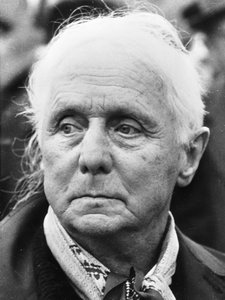
Max Ernst
1891 - 1976 , Deutschland
Kurzinfos
- Artistic Movement Or Style: Dadaismus & Surrealismus
- Artists Who Influenced This Artist:
- Pablo Picasso
- Vincent van Gogh
- Paul Gauguin
- Sigmund Freud
- Date Of Birth: 1. April 1891
- Date Of Death: 1. April 1976
- Full Name: Max Ernst
- Nationality: Deutsch
- Notable Artworks:
- Die gesamte Stadt
- Euclides
- Wald und Taube
- Der Elefant Celebes
- Place Of Birth (City And Country): Brühl, Deutschland
Ähnliche Artikel

Die filigrane Welt des Kupferstichs: Technik, Kunst und bleibendes Erbe
Entdecken Sie die faszinierende Welt des Kupferstichs! Erfahren Sie alles über Technik, Geschichte, Künstler und Sammlungen – mit Expertenwissen von AllPaintingsStore.

Engraving: A Historical Survey of Technique, Artistic Expression & Enduring Legacy
Explore the rich history of engraving with AllPaintingsStore. Discover techniques, iconic artists like Dürer & Callot, collecting tips, and expert guidance for preserving your art investment. Learn about intaglio printing & more!
Max Ernsts Meisterwerke: Die Top 25 Kunstwerke für Ihr Zuhause | AllPaintingsStore
Entdecken Sie die 25 bedeutendsten Kunstwerke von Max Ernst! Tauchen Sie ein in die Welt des Surrealismus, Dada und abstrakter Malerei. Hochwertige Kunstreproduktionen & Inspiration für Ihr Zuhause bei AllPaintingsStore.com.

Surrealismus: Die 10 Meisterwerke, die eine Kunstbewegung prägten | AllPaintingsStore
Entdecken Sie die 10 Meisterwerke des Surrealismus! Von Dalí bis Magritte – erfahren Sie die Geschichten hinter ikonischen Gemälde und lassen Sie sich von traumartigen Bildern inspirieren. Hochwertige Art Reproduktionen auf AllPaintingsStore.com.

Die 10 legendärsten Radierungen: Meisterwerke, die Kunstgeschichte schrieben | AllPaintingsStore
Entdecken Sie die 10 legendärsten Radierungen von Dürer, Rembrandt & Goya! Erfahren Sie die Geschichten hinter diesen Meisterwerken der Kunstgeschichte und lassen Sie sich von Druckgrafik inspirieren. Hochwertige Kunstdrucke auf AllPaintingsStore.com – für Ihr Zuhause.


