Vorschau anzeigen
 Versenden
 Teilen
 Details anzeigen

 Herunterladen
 Ähnliche Objekte
 Röntgenaufnahme
 Diashow
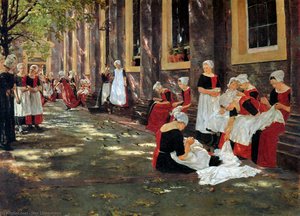
The Siblings


 Weiterlesen
Giclée / Kunstdruck
Giclée- oder Leinwanddruck in Museumsqualität mit schneller Produktion und flexiblen Veredelungsoptionen. ( Handgemalte Reproduktion bestellen Bild kaufen)




P118B $10

P118H $10

P118W $10

P438Z $10

P508JH $12

P508YH $12

P805H $10

P805Z $10

P919BZ $10

P919G $10

P919XJ $10

P959ZH $10

P968JZ $12

W106C $8

W218G $10

W218JH $8

W218Y $10

W307PJ $10

W316G $10

W316PJ $8

W316Y $10

W398PJ $8

W4111J $10

W500HY $15

W500JH $15

W692G $12

W849H $8

W940BG $15

W953PJ $8




Wählen Sie aus unseren vordefinierten Formaten, die den ursprünglichen Proportionen des Kunstwerks entsprechen.

Sie können Ihre eigenen Maße eingeben, um ein bestimmtes Format oder einen speziellen Platz einzupassen. Wenn das von Ihnen gewählte Format nicht den Proportionen des Originalbildes entspricht, werden wir das Kunstwerk entweder beschneiden oder das Bild mit einem gespiegelten oder einfarbigen Rand erweitern. Ein digitaler Entwurf wird Ihnen zur Genehmigung zugesandt, bevor die Produktion beginnt.
Bitte beachten Sie, dass die Vorschau auf dem Bildschirm nicht den tatsächlichen Zuschnitt oder die Erweiterung widerspiegelt. Nur der Entwurf zeigt die endgültige Komposition präzise an.
Obwohl Sondermaße verfügbar sind, empfehlen wir die Auswahl eines Maßes aus der vordefinierten Liste, um die ursprünglichen Proportionen zu bewahren.
Weltweiter Versand () innerhalb von 2 Wochen statt der üblichen 4/5 Wochen. (21 August)

Kostenloser weltweiter Expressversand

Hochwertige Leinenleinwand

Umfassender Versicherungsschutz beim Versand

Zollgebühren-Rückerstattungsgarantie

Garantie für exakte Farbtreue

60 Tage Rückgaberecht (nur bei Mängeln)

100% Geld-zurück-Garantie

Mengenrabatt verfügbar
 Die Glasoption ist nur für Größen unter 110 cm verfügbar.

The Siblings
Giclée / Kunstdruck
Format der Reproduktion
-


Gesamtpreis
$ 64
Sammlerstück-Beschreibung
A Moment Frozen in Light: Examining Max Liebermann’s “The Siblings”
“The Siblings,” painted in 1876 by German Impressionist Max Liebermann, transcends mere depiction; it embodies a profound exploration of familial tenderness and the quiet beauty found within domestic intimacy. This monochrome masterpiece captures a fleeting tableau – a man seated beside a child – bathed in diffused light that speaks volumes about the artist’s masterful understanding of tonal harmony and atmospheric perspective. More than just an image, it's a distillation of emotion rendered with remarkable precision.Composition & Technique: Impressionistic Sensitivity
Liebermann’s approach to composition is deliberately understated yet powerfully effective. The figures dominate the foreground, positioned centrally on what appears to be a simple ground plane, creating a palpable sense of closeness and connection between them. Supporting this intimate core are subtle background elements – indistinct individuals – which serve as contextual anchors without distracting from the primary subject matter. The artist skillfully employs loose brushstrokes characteristic of Impressionism, prioritizing capturing the ephemeral quality of light rather than achieving photographic realism. Wet-on-wet technique allows for blending colors seamlessly, generating a soft, hazy luminescence that imbues the scene with an ethereal glow. This deliberate blurring contributes to an overall impressionistic aesthetic—one that prioritizes feeling over meticulous detail.Historical Context & Artistic Influences
Painted during Liebermann’s formative years in Paris and Weimar, “The Siblings” reflects the burgeoning Impressionist movement's fascination with capturing everyday life and exploring subjective experience. Like fellow Impressionists such as Claude Monet and Pierre-Auguste Renoir, Liebermann sought to move beyond academic conventions, embracing a looser style that mirrored the natural world’s shifting moods. The influence of Japanese prints—particularly Ukiyo-e—is evident in Liebermann's flattened perspective and simplified forms, demonstrating his engagement with artistic traditions outside of Europe. This stylistic fusion underscores Liebermann’s intellectual curiosity and his desire to innovate within established frameworks.Symbolism & Emotional Resonance: A Portrait of Connection
The deliberate choice of monochrome – shades of gray skillfully manipulated—amplifies the painting's emotional impact. It evokes a sense of nostalgia, quiet contemplation, and understated affection. The posture of the figures—the man gently supporting the child—communicates protection, caregiving, and unconditional love. Beyond its visual beauty, “The Siblings” speaks to universal themes of familial bonds and human connection, reminding viewers of the simple joys found in shared moments of vulnerability and tenderness. It’s a testament to Liebermann's ability to distill complex emotions into a deceptively serene composition.Decorative Potential & Artistic Legacy
“The Siblings” remains an enduring symbol of Impressionistic idealism—a celebration of natural beauty and human emotion rendered with unparalleled sensitivity. Its muted palette and evocative atmosphere lend themselves beautifully to interior design projects, creating spaces that foster warmth and tranquility. Reproductions of this iconic artwork offer collectors and enthusiasts alike the opportunity to experience Liebermann’s artistic vision firsthand, preserving a timeless masterpiece for generations to come.Ähnliche Kunstwerke



Über den Künstler
Frühe Jahre und Ausbildung
- Geboren: Berlin, Deutschland (1847)
- Gestorben: 1935
Künstlerische Laufbahn und Stilentwicklung
- Impressionismus: Liebermann entwickelte sich zu einem der führenden Vertreter des Impressionismus in Deutschland, der flüchtige Momente des modernen Lebens mit Fokus auf Licht und Farbe einzufangen versuchte.
- Einflüsse: Sein Stil wurde maßgeblich von Édouard Manet beeinflusst, was sich in seinem Geist und Ansatz beim Malen zeigte.
- Motivwahl: Er porträtierte häufig Szenen des Bürgertums und Aspekte seines Gartens am Wannsee.
- Porträtmalerei: Liebermann erlangte Anerkennung als renommierter Porträtmaler und schuf über 200 Auftragsporträts, darunter von Albert Einstein und Paul von Hindenburg.
Wichtige Werke und Errungenschaften
- "Der 12-jährige Jesus in der Tempel": Ein frühes Werk, das Debatten aufgrund seiner Darstellung eines semitisch aussehenden Jungen Jesus auslöste.
- Wahl in die Preußische Akademie der Künste: Eine bedeutende Anerkennung seines künstlerischen Könnens und Beitrags.
- Leitung der Berliner Sezession (1899-1911): Er leitete diese führende Avantgarde-Formation in Deutschland, die traditionelle künstlerische Normen herausforderte.
Spätere Jahre und Historische Bedeutung
- Rücktritt aus der Preußischen Akademie: 1933 trat er zurück, nachdem die Akademie beschlossen hatte, keine Werke mehr von jüdischen Künstlern auszustellen.
- Tod und Vermächtnis: Er verstarb 1935 in Berlin und hinterließ ein bedeutendes Werk, das bis heute für seinen impressionistischen Stil und seine aufschlussreiche Darstellung der deutschen Gesellschaft gefeiert wird.
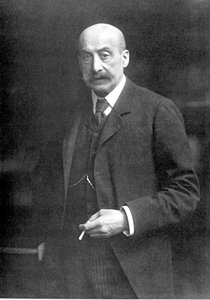
Max Liebermann
1847 - 1935 , Deutschland
Kurzinfos
- Beeinflusste Künstler: ['Édouard Manet']
- Bemerkenswerte Werke:
- Der zwölfjährige Jesus
- Holländisches Bauernhaus
- Porträt Dr. Max Linde
- Geburtsdatum: 20. Juli 1847
- Geburtsort: Berlin, Deutschland
- Künstlerische Richtung: Impressionismus
- Nationalität: Deutsch
- Todestag: 8. Februar 1935
- Vollständiger Name: Max Liebermann
- Von Künstlern Beeinflusst: ['Jean-François Miller']
Ähnliche Artikel

Impressionismus Meisterwerke: Die Top 10 Kunstwerke für Ihr Zuhause | AllPaintingsStore
Entdecken Sie die Top 10 Meisterwerke des Impressionismus! Von Monet bis Renoir – erfahren Sie die Geschichten hinter berühmten Gemälden, Techniken & Farben. Hochwertige Kunstdrucke auf AllPaintingsStore.com.

Childe Hassam: Der Chronist des amerikanischen Impressionismus und seine zeitgenössische Brillanz
Entdecken Sie das Leben und Werk von Childe Hassam, dem führenden amerikanischen Impressionisten! Erfahren Sie mehr über seine ikonischen Gemälde, den Einfluss Frankreichs und sein Vermächtnis. Jetzt bei AllPaintingsStore entdecken!
Impressionismus: Die 10 Meisterwerke, die eine Kunstbewegung prägten |
Entdecken Sie die 10 Meisterwerke des Impressionismus! Von Monet bis Renoir – erfahren Sie die Geschichten hinter berühmten Gemälden & ihre einzigartigen Techniken. Kunstdrucke in Museumsqualiät auf .

The Enduring Legacy of Family Portraiture: A Historical & Artistic Exploration
Explore the rich history of family portraiture with AllPaintingsStore. Discover artistic styles, symbolism & collecting insights. Commission a custom oil painting or appraise your existing artwork today!

Fleeting Moments & Radiant Light: Exploring the Enduring Legacy of Impressionism
Explore the captivating world of Impressionism! Discover its history, key artists like Monet & Renoir, defining techniques, and lasting impact on modern art. Expert insights for collectors.