


 Vorschau anzeigen
 Versenden
 Teilen
 Details anzeigen

 Herunterladen
 Ähnliche Objekte
 Röntgenaufnahme
 Diashow
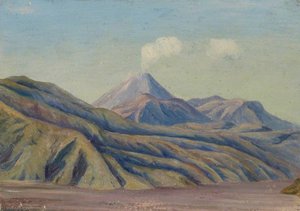
Eastern Desert, Egypt
 25.0 x 31.0 cm
 Weiterlesen
Giclée / Kunstdruck
Giclée- oder Leinwanddruck in Museumsqualität mit schneller Produktion und flexiblen Veredelungsoptionen. ( Handgemalte Reproduktion bestellen Bild kaufen)




































Wählen Sie aus unseren vordefinierten Formaten, die den ursprünglichen Proportionen des Kunstwerks entsprechen.

Sie können Ihre eigenen Maße eingeben, um ein bestimmtes Format oder einen speziellen Platz einzupassen. Wenn das von Ihnen gewählte Format nicht den Proportionen des Originalbildes entspricht, werden wir das Kunstwerk entweder beschneiden oder das Bild mit einem gespiegelten oder einfarbigen Rand erweitern. Ein digitaler Entwurf wird Ihnen zur Genehmigung zugesandt, bevor die Produktion beginnt.
Bitte beachten Sie, dass die Vorschau auf dem Bildschirm nicht den tatsächlichen Zuschnitt oder die Erweiterung widerspiegelt. Nur der Entwurf zeigt die endgültige Komposition präzise an.
Obwohl Sondermaße verfügbar sind, empfehlen wir die Auswahl eines Maßes aus der vordefinierten Liste, um die ursprünglichen Proportionen zu bewahren.
Weltweiter Versand () innerhalb von 2 Wochen statt der üblichen 4/5 Wochen. (18 August)

Kostenloser weltweiter Expressversand

Hochwertige Leinenleinwand

Umfassender Versicherungsschutz beim Versand

Zollgebühren-Rückerstattungsgarantie

Garantie für exakte Farbtreue

60 Tage Rückgaberecht (nur bei Mängeln)

100% Geld-zurück-Garantie

Mengenrabatt verfügbar
 Die Glasoption ist nur für Größen unter 110 cm verfügbar.

Eastern Desert, Egypt
Giclée / Kunstdruck
Format der Reproduktion
-


Gesamtpreis
$ 64
Ähnliche Kunstwerke



Über den Künstler
Myrtle Broome: Bridging Archaeology and Artistic Vision
Myrtle Florence Broome (1888 – 1978) stands as a singular figure in British art history, an artist whose dedication to meticulous observation combined with a profound appreciation for beauty resulted in stunning depictions of both Egyptian landscapes and monumental architecture. Born in London, Broome’s early life was marked by a fascination with Egyptology—a passion that would profoundly shape her artistic trajectory and solidify her reputation as one of the foremost illustrators of ancient sites. Her work transcends mere documentation; it captures the spirit of a bygone era, imbued with an Impressionistic sensibility that elevates scientific accuracy to an art form itself.Early Life & Influences
Broome’s formative years were spent immersed in scholarly pursuits, fueled by her father's involvement in Egyptology. This exposure instilled within her a meticulous attention to detail and a deep understanding of archaeological principles—qualities that would become central to her artistic practice. Growing up amidst the intellectual fervor of the Arts and Crafts movement, Broome benefited from the encouragement of influential figures like William Morris, whose aesthetic ideals championed craftsmanship and beauty alongside social reform. Her father, Washington Broome, was a music publisher who initially collaborated with Morris’ Kelmscott Press, establishing a foundation for Broome's own artistic sensibilities.The Temple of Seti I Project
Broome’s most celebrated achievement lies in her collaborative effort with fellow Egyptologist, Amice Calverley, to produce exquisitely detailed watercolors illustrating the Temple of Seti I at Abydos. This ambitious undertaking demanded painstaking research and artistic skill, resulting in images that are considered benchmarks of archaeological illustration. Her renderings capture not only the grandeur of the temple but also the subtle nuances of light and shadow—demonstrating her mastery of Impressionistic technique. The project involved meticulous measurements and reconstructions based on fragmentary evidence, highlighting Broome’s commitment to both scientific rigor and artistic interpretation. Calverley's expertise in epigraphy complemented Broome’s observational prowess, creating a synergy that yielded exceptional results.Painting Style & Technique
Broome’s paintings consistently showcased a distinctive Impressionistic style characterized by loose brushstrokes, vibrant colors, and textured impasto. She skillfully blended plein air painting with studio work, capturing the immediacy of observation while retaining artistic control. Her landscapes—particularly those depicting coastal scenes—were imbued with a serene atmosphere and conveyed a palpable sense of place. Broome’s technique involved layering pigments to achieve depth and luminosity, mirroring the effects of natural light on stone surfaces. She favored a palette rich in blues and greens, reflecting the colors of the Nile Delta and the surrounding desert vegetation. Her meticulous attention to detail ensured that every brushstroke contributed to the overall impression of beauty and authenticity.Notable Works & Legacy
Among her impressive oeuvre are “Lake Scene with Two Conifers,” which exemplifies her ability to translate natural beauty into evocative watercolor, and “Self Portrait,” offering an intimate glimpse into Broome’s artistic vision. These pieces stand as testament to her unwavering commitment to capturing the essence of her subjects. Her contribution to both art and archaeology is undeniable. Myrtle Broome's work serves as a valuable record of Egyptology in its heyday, while simultaneously demonstrating that artistic excellence can be achieved through rigorous scientific inquiry. She remains an inspiration for artists who strive to combine observation with imagination—a true pioneer of the Arts and Crafts movement. Her legacy extends beyond her individual artworks; she championed the fusion of art and science as pathways to understanding the past and enriching our appreciation of the natural world.
Myrtle Broome
1888 - 1978 , England
Kurzinfos
- Artistic Movement Or Style: Arts and Crafts Movement
- Artists Who Influenced This Artist: ['Amice Calverley']
- Date Of Birth: 1888
- Date Of Death: 1978
- Full Name: Myrtle Florence Broome
- Nationality: British
- Notable Artworks:
- Temple of Seti I
- Lake Scene with Two Conifers
- Self Portrait
- Place Of Birth: London, England



