


 Vorschau anzeigen
 Versenden
 Teilen
 Details anzeigen
 Leitfaden

 Herunterladen
 Ähnliche Objekte
 Röntgenaufnahme
 Diashow
 Statistiken
Rose Bush
 Aquarell
- Wandkunst
- Post-Impressionism
 1888
1888- 19. Jahrhundert
 39.0 x 30.0 cm
 Weiterlesen
Handgefertigte Ölreproduktion
Handgemaltes Ölgemälde auf Leinwand in Ihrer Wunschgröße und mit Rahmen, auf Bestellung von unseren Künstlern angefertigt. ( Zum Druck wechseln Zum digitalen Bild wechseln)




P118B €10

P118H €10

P118W €10

P438Z €10

P508JH €12

P508YH €12

P805H €10

P805Z €10

P919BZ €10

P919G €10

P919XJ €10

P959ZH €10

P968JZ €12

W106C €8

W218G €10

W218JH €8

W218Y €10

W307PJ €10

W316G €10

W316PJ €8

W316Y €10

W398PJ €8

W4111J €10

W500HY €15

W500JH €15

W692G €12

W849H €8

W940BG €15

W953PJ €8




Wählen Sie aus unseren vordefinierten Formaten, die den ursprünglichen Proportionen des Kunstwerks entsprechen.

Geben Sie die Breite und die Höhe an, die Sie für Ihren Rahmen oder Ihre Wand benötigen. Da dieses Werk handgemalt ist, kann der Künstler bei einer anderen Form etwas mehr um das Bild herum malen oder etwas abschneiden – Sie entscheiden. Wir senden Ihnen ein digitales Mockup zur Freigabe, bevor mit dem Malen begonnen wird. Das auf dieser Seite gezeigte Bild stellt nicht das tatsächliche Ergebnis dar – dies tut nur das Mockup.
Nach der Bestellung wird das AllPaintingsStore.com-Team dem Kunden Anweisungen per E-Mail zusenden und eine Mockup-Vorschau bereitstellen.
Weltweiter Versand () in nur 3 bis 4 Wochen statt der üblichen 5 Wochen. (27 Oktober). Keine Kompromisse bei der Qualität.

Kostenloser weltweiter Expressversand

Hochwertige Leinenleinwand

Umfassender Versicherungsschutz beim Versand

Zollgebühren-Rückerstattungsgarantie

Garantie für exakte Farbtreue

100 Tage Rückgaberecht (nur bei Mängeln)

100% Geld-zurück-Garantie

Mengenrabatt verfügbar
 Die Glasoption ist nur für Größen unter 110 cm verfügbar.

Rose Bush
Art der Reproduktion
Format der Reproduktion
-


Endpreis
€ 227
Paul Cézanne’s ‘Rose Bush’: A Symphony of Color and Form
Paul Cézanne's “Rose Bush,” painted in 1888, isn’t merely a depiction of flowers; it’s a pivotal moment in the evolution of modern art. This watercolor masterpiece, measuring a modest 39 x 30 centimeters, embodies the core tenets of Post-Impressionism – a movement that reacted against the fleeting impressions of light and color championed by its predecessors while simultaneously forging a new path towards structured representation. Cézanne’s ‘Rose Bush’ stands as a testament to his revolutionary approach, demonstrating an intense scrutiny of nature's forms and a deliberate attempt to capture their underlying geometry rather than simply mirroring them visually.
The painting immediately captivates with its vibrant palette – a rich tapestry of greens, reds, and pinks that seem to vibrate with life. Cézanne masterfully employs watercolor techniques, layering translucent washes to build up texture and depth. Notice how he doesn’t strive for photographic realism; instead, he uses broken brushstrokes and juxtaposed colors to suggest volume and form. The red rose, positioned centrally within the composition, isn't rendered as a delicate bloom but rather as a solid, almost sculptural mass of color. The surrounding leaves are treated with similar boldness, their shapes simplified and abstracted – a key characteristic of Cézanne’s style.
Post-Impressionism: A Reaction Against Naturalism
To fully appreciate “Rose Bush,” it's crucial to understand the context within which it was created. Post-Impressionism emerged as a direct response to the Impressionists’ focus on capturing momentary effects of light and color. Artists like Cézanne, Vincent van Gogh, and Paul Gauguin felt that Impressionism lacked emotional depth and intellectual rigor. They sought to express their individual perceptions and ideas through art, moving beyond mere observation to explore subjective experience. Cézanne, in particular, was fascinated by the problem of representing three-dimensional space on a two-dimensional surface – a challenge he tackled with remarkable ingenuity.
Cézanne’s early influences included Romanticism and Realism, evident in his earlier murals at Jas de Bouffan, where he meticulously depicted architectural details. However, he quickly moved beyond these styles, developing a unique approach by scrutinizing Impressionist techniques and incorporating elements of structure and form. He believed that art should be based on solid geometric foundations, much like architecture – a concept that would profoundly influence the development of Cubism in the 20th century.
The Rose Bush: A Symbol of Beauty and Structure
Beyond its formal qualities, “Rose Bush” carries significant symbolic weight. Roses have long been associated with beauty, love, and passion – themes that resonate deeply within the painting. However, Cézanne doesn’t simply present a romantic image; he imbues the rose bush with an underlying sense of structure and order. The way he breaks down the forms into basic geometric shapes—cones, cylinders, and planes—suggests a deeper understanding of nature's underlying principles.
Furthermore, the painting can be compared to Vincent van Gogh’s “The Starry Night,” another iconic Post-Impressionist work. Both paintings showcase the artists’ ability to capture the essence of their subjects through bold colors and expressive brushstrokes. While Van Gogh uses swirling lines and intense hues to convey emotional turmoil, Cézanne employs a more restrained approach, focusing on the formal elements of his subject – the solidity of the rose bush against the backdrop of the landscape.
A Legacy of Innovation
Paul Cézanne’s “Rose Bush” is not just a beautiful painting; it's a foundational work in the history of modern art. It represents a radical departure from traditional artistic conventions and paved the way for subsequent movements, including Cubism. His exploration of form, color, and perspective continues to inspire artists today. For those seeking to delve deeper into Cézanne’s world or explore other Post-Impressionist masterpieces, AllPaintingsStore.com offers high-quality reproductions of his works, allowing you to bring this extraordinary painting into your own space.
Explore more of Cézanne's captivating paintings at AllPaintingsStore.com
Fragen & Antworten
Wirken die Farben von "Rose Bush" eher kräftig oder sanft?
Die Farben in "Rose Bush" von Paul Cézanne besitzen eine Leuchtend Intensität.
Welche Farbtönung dominiert in "Rose Bush"?
Die dominante Farbe von "Rose Bush" von Paul Cézanne ist Spektrum von Grün bis Violett. Dieser Farbton bildet die Grundlage der Palette.
Ist "Rose Bush" insgesamt eher hell oder eher dunkel?
"Rose Bush" von Paul Cézanne weist eine Helligkeit von strahlend mit einer Luminanz von Leuchtend auf.
Ähnliche Kunstwerke


Künstlerbiografie
frühes Leben und Einflüsse
Paul Cézanne, ein französischer Post-Impressionist-Maler, wurde am 19. Januar 1839 in Aix-en-Provence, Frankreich, geboren. Sein frühes Leben war geprägt von einer starken Verbindung zu seiner Familie’s Bankgeschäft, das ihm finanzielle Sicherheit verschaffte. Dies ermöglichte es ihm, sich ohne finanziellen Druck auf seine künstlerischen Bestrebungen zu konzentrieren. Les Nabis, Neo-Impressionismus und Symbolismus beeinflussten Cézannes frühe Arbeit, die sich durch seinen Schwerpunkt auf geometrische Formen und eine reduzierte Farbpalette auszeichnete. Sein Interesse an den Werken von Paul Gauguin und Georges Seurat festigte seinen Post-Impressionismusstil.Künstlerischer Stil und Techniken
Cézannes innovative Verwendung von Farbflächen und kleinen, sich wiederholenden Pinselstrichen schuf komplexe Felder, die seine intensive Beschäftigung mit den Motiven widerspiegelten. Sein oft explorativer Ansatz in der Kunst führte zur Entwicklung einer neuen bildlichen Sprache, die die zugrunde liegende Struktur von Objekten in einer Komposition betonte.- Schlüsselmerkmale:
- Geometrische Formen und Facetten
- Reduzierte Farbpalette
- Betonung der konstruktiven Essenz der physischen Welt
- Mehrere Perspektiven und Simultaneität
- Einflussreiche Werke:
- The Pond at Jas de Bouffan (1880)
- Portrait of Emile Zola (1866)
- Wald (1892)
- Museen mit Cézannes Werken:
- Musée Marmottan Monet in Paris, Frankreich
- The Museum of Fine Arts in Houston, Vereinigte Staaten
Vermächtnis und Einfluss
Cézannes bahnbrechende Arbeit im Post-Impressionismus ebnete den Weg für verschiedene Avantgarde-Bewegungen, darunter Kubismus, Fauvismus und Surrealismus. Sein Einfluss ist in den Werken von Pablo Picasso, Henri Matisse und Georges Braque zu sehen. Cézannes Vermächtnis inspiriert weiterhin Künstler und Kunstinteressierte gleichermaßen und festigt seinen Platz als eine zentrale Figur in der Geschichte der modernen Kunst.- Verwandte Kunstbewegungen:
- Betrachten Sie Cézannes Werke:
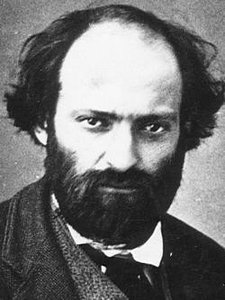
Paul Cézanne
1839 - 1906 , Frankreich
Kurzinfos
- Beeinflusste Künstler:
- Paul Gauguin
- Georges Seurat
- Bemerkenswerte Werke:
- Der Teich in Jas de Bouffan
- Porträt von Émile Zola
- Wald
- Mont Sainte-Victoire
- Geburtsdatum: 19. Januar 1839
- Geburtsort: Aix-en-Provence, Frankreich
- Künstlerische Bewegung: Postimpressionismus
- Nationalität: Französisch
- Sterbedatum: 1906
- Vollständiger Name: Paul Cézanne
- Von Ihm Beeinflusste Künstler:
- Pablo Picasso
- Henri Matisse
- Georges Braque
Ähnliche Artikel

Beyond Impressionism: Exploring the Emotional Depth and Vibrant Mastery of Post-Impressionist Art
Discover the profound evolution of art beyond Impressionism. Explore the emotional depth, vibrant colors, and revolutionary techniques of Post-Impressionist masters like Van Gogh and Cézanne in this expert guide to art history's most expressive movement.

Post-Impressionism Guide: Bold Colors and Expressive Masterpieces for Professional Hotel Decorators
Elevate hospitality interiors with Post-Impressionist masterpieces. A professional guide for hotel designers on selecting bold, expressive oil reproductions and large-scale murals to create impactful, high-end guest experiences through expert art procurement.


