


 Vorschau anzeigen
 Versenden
 Teilen
 Details anzeigen

 Herunterladen
 Ähnliche Objekte
 Röntgenaufnahme
 Diashow
untitled (3729)

 Weiterlesen
Giclée / Kunstdruck
Giclée- oder Leinwanddruck in Museumsqualität mit schneller Produktion und flexiblen Veredelungsoptionen. ( Handgemalte Reproduktion bestellen Bild kaufen)




P118B $10

P118H $10

P118W $10

P438Z $10

P508JH $12

P508YH $12

P805H $10

P805Z $10

P919BZ $10

P919G $10

P919XJ $10

P959ZH $10

P968JZ $12

W106C $8

W218G $10

W218JH $8

W218Y $10

W307PJ $10

W316G $10

W316PJ $8

W316Y $10

W398PJ $8

W4111J $10

W500HY $15

W500JH $15

W692G $12

W849H $8

W940BG $15

W953PJ $8




Wählen Sie aus unseren vordefinierten Formaten, die den ursprünglichen Proportionen des Kunstwerks entsprechen.

Sie können Ihre eigenen Maße eingeben, um ein bestimmtes Format oder einen speziellen Platz einzupassen. Wenn das von Ihnen gewählte Format nicht den Proportionen des Originalbildes entspricht, werden wir das Kunstwerk entweder beschneiden oder das Bild mit einem gespiegelten oder einfarbigen Rand erweitern. Ein digitaler Entwurf wird Ihnen zur Genehmigung zugesandt, bevor die Produktion beginnt.
Bitte beachten Sie, dass die Vorschau auf dem Bildschirm nicht den tatsächlichen Zuschnitt oder die Erweiterung widerspiegelt. Nur der Entwurf zeigt die endgültige Komposition präzise an.
Obwohl Sondermaße verfügbar sind, empfehlen wir die Auswahl eines Maßes aus der vordefinierten Liste, um die ursprünglichen Proportionen zu bewahren.
Weltweiter Versand () innerhalb von 2 Wochen statt der üblichen 4/5 Wochen. (22 August)

Kostenloser weltweiter Expressversand

Hochwertige Leinenleinwand

Umfassender Versicherungsschutz beim Versand

Zollgebühren-Rückerstattungsgarantie

Garantie für exakte Farbtreue

60 Tage Rückgaberecht (nur bei Mängeln)

100% Geld-zurück-Garantie

Mengenrabatt verfügbar
 Die Glasoption ist nur für Größen unter 110 cm verfügbar.

untitled (3729)
Giclée / Kunstdruck
Format der Reproduktion
-


Gesamtpreis
$ 64
Sammlerstück-Beschreibung
A Window Into Provence: Paul Cézanne’s *Rideau, Cruchon et Compotier*
Paul Cézanne's 1893 painting, *Rideau, Cruchon et Compotier* – “Curtain, Jug and Fruit Bowl” – isn’t merely a still life; it’s a meticulously constructed meditation on perception, form, and the very essence of seeing. More than just a depiction of everyday objects arranged on a table, this work represents a pivotal moment in art history, bridging the fleeting impressions of Impressionism with the nascent geometric explorations that would define Cubism. It's a piece that invites prolonged contemplation, revealing layers of meaning within its deceptively simple composition.
Cézanne’s approach to painting was revolutionary for his time. He rejected the traditional pursuit of capturing an immediate visual impression, instead focusing on distilling objects down to their fundamental shapes and structures. This is strikingly evident in *Rideau, Cruchon et Compotier*. The jug, the bowl, the curtain – each element isn’t rendered with photographic accuracy but rather as a series of interlocking planes and angles, suggesting depth and volume through careful manipulation of line and color. Notice how the curves of the jug mimic the contours of the fruit bowl, creating a visual harmony that transcends mere representation. This deliberate simplification wasn't about reducing reality; it was about revealing its underlying geometry – a principle he relentlessly pursued throughout his career.
The Painter’s Studio and the Pursuit of Harmony
Painted in Cézanne’s studio in Auvers-sur-Oise, just outside Paris, *Rideau, Cruchon et Compotier* offers a glimpse into the artist's working environment. The objects – a simple earthenware jug, a fruit bowl brimming with apples and oranges, and a draped curtain – were commonplace items, yet Cézanne imbued them with an extraordinary sense of significance. He often used his own possessions as subjects, creating a personal vocabulary of forms and colors that reflected his unique vision. The arrangement itself feels deliberately staged, almost theatrical, suggesting a carefully considered composition rather than a spontaneous snapshot.
Cézanne’s meticulous attention to detail is remarkable. The brushstrokes are visible, yet they don't create a sense of texture or surface quality. Instead, they contribute to the overall structure and form of the objects, acting as building blocks that define their shape and volume. The use of color is equally deliberate – muted tones dominate, creating a sense of stillness and tranquility. The subtle variations in hue and value suggest light and shadow, but without resorting to traditional shading techniques. This restrained palette allows the forms themselves to take center stage.
Symbolism and Emotional Resonance
While Cézanne avoided overt symbolism, *Rideau, Cruchon et Compotier* is rich with subtle visual cues that invite interpretation. The curtain, for example, can be seen as a barrier between the viewer and the objects within, creating a sense of distance and mystery. The jug, often associated with abundance and nourishment, hints at themes of life and sustenance. And the fruit itself – ripe and luscious – evokes feelings of pleasure and indulgence.
Beyond its formal qualities, *Rideau, Cruchon et Compotier* possesses a profound emotional resonance. It’s a painting that speaks to the quiet beauty of everyday objects, inviting us to slow down and appreciate the simple pleasures of life. Cézanne's masterful manipulation of form and color creates a sense of harmony and balance, suggesting a deep connection between the artist and his subject matter. The painting is not just about depicting a still life; it’s about capturing a feeling – a moment of contemplation and serenity.
A Legacy of Innovation
*Rideau, Cruchon et Compotier* stands as a crucial link in the chain that led to modern art. Cézanne's radical approach to painting—his emphasis on form, structure, and geometric abstraction—inspired generations of artists, including Picasso and Braque, who would go on to develop Cubism. This work demonstrates his pioneering spirit, pushing beyond the limitations of traditional representation and paving the way for a new era in art history. Reproductions of this iconic piece offer a tangible connection to Cézanne’s revolutionary vision, allowing viewers to experience firsthand the power and beauty of his groundbreaking style.
Ähnliche Kunstwerke


Über den Künstler
frühes Leben und Einflüsse
Paul Cézanne, ein französischer Post-Impressionist-Maler, wurde am 19. Januar 1839 in Aix-en-Provence, Frankreich, geboren. Sein frühes Leben war geprägt von einer starken Verbindung zu seiner Familie’s Bankgeschäft, das ihm finanzielle Sicherheit verschaffte. Dies ermöglichte es ihm, sich ohne finanziellen Druck auf seine künstlerischen Bestrebungen zu konzentrieren. Les Nabis, Neo-Impressionismus und Symbolismus beeinflussten Cézannes frühe Arbeit, die sich durch seinen Schwerpunkt auf geometrische Formen und eine reduzierte Farbpalette auszeichnete. Sein Interesse an den Werken von Paul Gauguin und Georges Seurat festigte seinen Post-Impressionismusstil.Künstlerischer Stil und Techniken
Cézannes innovative Verwendung von Farbflächen und kleinen, sich wiederholenden Pinselstrichen schuf komplexe Felder, die seine intensive Beschäftigung mit den Motiven widerspiegelten. Sein oft explorativer Ansatz in der Kunst führte zur Entwicklung einer neuen bildlichen Sprache, die die zugrunde liegende Struktur von Objekten in einer Komposition betonte.- Schlüsselmerkmale:
- Geometrische Formen und Facetten
- Reduzierte Farbpalette
- Betonung der konstruktiven Essenz der physischen Welt
- Mehrere Perspektiven und Simultaneität
- Einflussreiche Werke:
- The Pond at Jas de Bouffan (1880)
- Portrait of Emile Zola (1866)
- Wald (1892)
- Museen mit Cézannes Werken:
- Musée Marmottan Monet in Paris, Frankreich
- The Museum of Fine Arts in Houston, Vereinigte Staaten
Vermächtnis und Einfluss
Cézannes bahnbrechende Arbeit im Post-Impressionismus ebnete den Weg für verschiedene Avantgarde-Bewegungen, darunter Kubismus, Fauvismus und Surrealismus. Sein Einfluss ist in den Werken von Pablo Picasso, Henri Matisse und Georges Braque zu sehen. Cézannes Vermächtnis inspiriert weiterhin Künstler und Kunstinteressierte gleichermaßen und festigt seinen Platz als eine zentrale Figur in der Geschichte der modernen Kunst.- Verwandte Kunstbewegungen:
- Betrachten Sie Cézannes Werke:
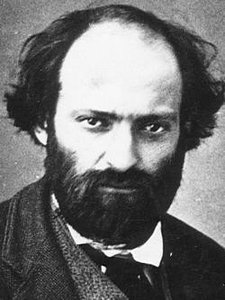
Paul Cézanne
1839 - 1906 , Frankreich
Kurzinfos
- Beeinflusste Künstler:
- Paul Gauguin
- Georges Seurat
- Bemerkenswerte Werke:
- Der Teich in Jas de Bouffan
- Porträt von Émile Zola
- Wald
- Mont Sainte-Victoire
- Geburtsdatum: 19. Januar 1839
- Geburtsort: Aix-en-Provence, Frankreich
- Künstlerische Bewegung: Postimpressionismus
- Nationalität: Französisch
- Sterbedatum: 1906
- Vollständiger Name: Paul Cézanne
- Von Ihm Beeinflusste Künstler:
- Pablo Picasso
- Henri Matisse
- Georges Braque
Ähnliche Artikel
Paul Cézanne: Die 25 Meisterwerke des Impressionismus | AllPaintingsStore
Entdecken Sie die 25 Meisterwerke von Paul Cézanne! Tauchen Sie ein in die Welt des Impressionismus und Postimpressionismus. Erfahren Sie mehr über seine Stillleben, Landschaften & berühmten Gemälde – jetzt hochwertige Kunstdrucke auf AllPaintingsStore.com.
The Bountiful Still Life: Symbolism & Artistic Representation of Fruit Across Art History
Explore the rich history of still life painting & the symbolism of fruit across art movements. Discover masterpieces from Caravaggio to Cézanne with AllPaintingsStore – expert guidance & museum-quality reproductions.
Sun-Drenched Citrus: The Vibrant Beauty of Oranges in Impressionist Masterpieces
Embark on a sensory journey through Impressionist masterpieces. Discover how Renoir and Cézanne captured the vibrant light and luscious textures of sun-drenched oranges in exquisite still life paintings designed to inspire and transform your home.

Silent Narratives: Exploring the Enduring Appeal of Still Life Painting Across Centuries
Explore the rich history of still life painting with AllPaintingsStore. Discover Dutch Masters, decode vanitas symbolism & learn about collecting timeless art. Expert insights and museum-quality reproductions.

The Enduring Appeal of Still Life: A Historical & Contemporary Exploration
Explore the rich history & symbolism of still life painting with AllPaintingsStore. Discover masterpieces from the Dutch Golden Age, learn about vanitas art, and find expert guidance for collecting timeless artworks.


