


 Vorschau anzeigen
 Versenden
 Teilen
 Details anzeigen

 Herunterladen
 Ähnliche Objekte
 Röntgenaufnahme
 Diashow
untitled (5350)


 Weiterlesen
Handgefertigte Ölreproduktion
Handgemaltes Ölgemälde auf Leinwand in Ihrer Wunschgröße und mit Rahmen, auf Bestellung von unseren Künstlern angefertigt. ( Druck bestellen Bild kaufen)




P118B $10

P118H $10

P118W $10

P438Z $10

P508JH $12

P508YH $12

P805H $10

P805Z $10

P919BZ $10

P919G $10

P919XJ $10

P959ZH $10

P968JZ $12

W106C $8

W218G $10

W218JH $8

W218Y $10

W307PJ $10

W316G $10

W316PJ $8

W316Y $10

W398PJ $8

W4111J $10

W500HY $15

W500JH $15

W692G $12

W849H $8

W940BG $15

W953PJ $8




Wählen Sie aus unseren vordefinierten Formaten, die den ursprünglichen Proportionen des Kunstwerks entsprechen.

Sie können Ihre eigenen Maße eingeben, um einen bestimmten Rahmen oder Platz auszufüllen. Wenn die gewählte Größe nicht den Proportionen des Originalbildes entspricht, werden wir das Kunstwerk entweder beschneiden oder das Gemälde durch zusätzliche, handgemalte Elemente erweitern. Ein digitales Mockup wird Ihnen zur Genehmigung zugesandt, bevor die Produktion beginnt.
Bitte beachten Sie, dass die Bildschirmvorschau nicht die tatsächliche Beschneidung oder Erweiterung widerspiegelt. Nur das Mockup zeigt die endgültige Komposition exakt an.
Obwohl Sondermaße verfügbar sind, empfehlen wir, eine Größe aus der vordefinierten Liste zu wählen, um die ursprünglichen Proportionen beizubehalten.
Nach der Bestellung wird das AllPaintingsStore.com-Team dem Kunden Anweisungen per E-Mail zusenden und eine Mockup-Vorschau bereitstellen.
Weltweiter Versand () in nur 3 bis 4 Wochen statt der üblichen 5 Wochen. (24 August). Keine Kompromisse bei der Qualität.

Kostenloser weltweiter Expressversand

Hochwertige Leinenleinwand

Umfassender Versicherungsschutz beim Versand

Zollgebühren-Rückerstattungsgarantie

Garantie für exakte Farbtreue

60 Tage Rückgaberecht (nur bei Mängeln)

100% Geld-zurück-Garantie

Mengenrabatt verfügbar
 Die Glasoption ist nur für Größen unter 110 cm verfügbar.

untitled (5350)
Art der Reproduktion
Format der Reproduktion
-


Gesamtpreis
$ 258
Beschreibung des Kunstwerks
The Architecture of Nature: Rediscovering Cézanne’s Untitled (5350)
In the quiet corners of late nineteenth-century France, a revolution was brewing, not through loud proclamations, but through the deliberate, rhythmic brushstrokes of Paul Cézanne. His work “Untitled (5350),” completed in 1896, serves as a profound testament to this era of transition. At first glance, the viewer is presented with a modest stone house perched upon a sloping hillside, nestled among mature, whispering trees. Yet, to look merely at the surface is to miss the soul of the piece. Cézanne was not interested in the fleeting, sun-drenched whimsy of his Impressionist contemporaries; instead, he sought to capture the eternal. He looked at the landscape and saw not just scenery, but a structural blueprint—a way to distill the chaotic beauty of nature into a permanent, geometric order.
The painting breathes with a certain post-impressionist vitality, where color and form dance in a delicate balance of tension and harmony. The house, with its striking red roof, acts as an anchor for the eye, providing a focal point amidst the verdant, textured landscape. As one explores the scene, small figures appear scattered throughout the area, lending a sense of lived-in reality to the composition. These figures do not demand attention through narrative; rather, they exist as part of the landscape's organic rhythm, much like the stones of the house or the leaves of the trees. This integration of human presence within the natural architecture is what gives the work its enduring, quiet power.
A Masterclass in Texture and Form
Technically, “Untitled (5350)” is a triumph of impasto. Cézanne applied paint with a heavy, deliberate hand, creating a palpable surface that invites the viewer to feel the weight of the earth and the density of the foliage. This thick application of pigment does more than just add texture; it disrupts traditional perspective, forcing the eye to reconstruct the space through layers of color rather than through simple lines. By eschewing the illusion of depth in favor of a flattened, structural reality, Cézanne paved the way for the Cubist movement that would follow decades later. He treated every element—be it a leaf, a stone, or a roof tile—with equal importance, treating the canvas as a unified mosaic of light and substance.
For the discerning collector or interior designer, this piece offers an unparalleled opportunity to introduce a sense of intellectual depth and structural elegance into a space. The rich, vibrant palette of greens, earth tones, and the sudden warmth of the red roof provides a sophisticated color anchor that complements both modern minimalist settings and more traditional, classical interiors. It is a work that does not merely decorate a wall; it commands the atmosphere of a room, offering a meditative window into a world where nature and geometry are one.
The Emotional Resonance of Persistence
Beyond its technical brilliance, there is an emotional narrative of persistence woven into the very fabric of this painting. During his lifetime, Cézanne was often dismissed by critics as "primitive" or "unfinished." He endured years of skepticism, yet he remained steadfast in his mission to reveal the underlying architecture of the world. When we gaze upon “Untitled (5035),” we are witnessing the triumph of a vision that refused to be ignored. There is a profound sense of peace found in the stability of the hillside house, yet beneath that peace lies the restless energy of an artist constantly searching for truth.
Owning a high-quality reproduction of this masterpiece allows one to live with this spirit of resilience every day. It serves as a reminder that beauty is often found in the structural, the enduring, and the deeply considered. Whether placed in a sunlit study or a grand living hall, Cézanne’s vision brings a timeless sophistication and an evocative, soulful energy that continues to inspire generations of art lovers and thinkers alike.
Ähnliche Kunstwerke


Über den Künstler
frühes Leben und Einflüsse
Paul Cézanne, ein französischer Post-Impressionist-Maler, wurde am 19. Januar 1839 in Aix-en-Provence, Frankreich, geboren. Sein frühes Leben war geprägt von einer starken Verbindung zu seiner Familie’s Bankgeschäft, das ihm finanzielle Sicherheit verschaffte. Dies ermöglichte es ihm, sich ohne finanziellen Druck auf seine künstlerischen Bestrebungen zu konzentrieren. Les Nabis, Neo-Impressionismus und Symbolismus beeinflussten Cézannes frühe Arbeit, die sich durch seinen Schwerpunkt auf geometrische Formen und eine reduzierte Farbpalette auszeichnete. Sein Interesse an den Werken von Paul Gauguin und Georges Seurat festigte seinen Post-Impressionismusstil.Künstlerischer Stil und Techniken
Cézannes innovative Verwendung von Farbflächen und kleinen, sich wiederholenden Pinselstrichen schuf komplexe Felder, die seine intensive Beschäftigung mit den Motiven widerspiegelten. Sein oft explorativer Ansatz in der Kunst führte zur Entwicklung einer neuen bildlichen Sprache, die die zugrunde liegende Struktur von Objekten in einer Komposition betonte.- Schlüsselmerkmale:
- Geometrische Formen und Facetten
- Reduzierte Farbpalette
- Betonung der konstruktiven Essenz der physischen Welt
- Mehrere Perspektiven und Simultaneität
- Einflussreiche Werke:
- The Pond at Jas de Bouffan (1880)
- Portrait of Emile Zola (1866)
- Wald (1892)
- Museen mit Cézannes Werken:
- Musée Marmottan Monet in Paris, Frankreich
- The Museum of Fine Arts in Houston, Vereinigte Staaten
Vermächtnis und Einfluss
Cézannes bahnbrechende Arbeit im Post-Impressionismus ebnete den Weg für verschiedene Avantgarde-Bewegungen, darunter Kubismus, Fauvismus und Surrealismus. Sein Einfluss ist in den Werken von Pablo Picasso, Henri Matisse und Georges Braque zu sehen. Cézannes Vermächtnis inspiriert weiterhin Künstler und Kunstinteressierte gleichermaßen und festigt seinen Platz als eine zentrale Figur in der Geschichte der modernen Kunst.- Verwandte Kunstbewegungen:
- Betrachten Sie Cézannes Werke:
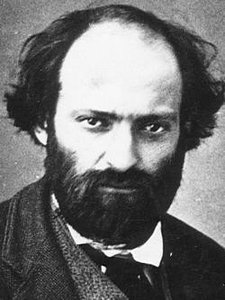
Paul Cézanne
1839 - 1906 , Frankreich
Kurzinfos
- Beeinflusste Künstler:
- Paul Gauguin
- Georges Seurat
- Bemerkenswerte Werke:
- Der Teich in Jas de Bouffan
- Porträt von Émile Zola
- Wald
- Mont Sainte-Victoire
- Geburtsdatum: 19. Januar 1839
- Geburtsort: Aix-en-Provence, Frankreich
- Künstlerische Bewegung: Postimpressionismus
- Nationalität: Französisch
- Sterbedatum: 1906
- Vollständiger Name: Paul Cézanne
- Von Ihm Beeinflusste Künstler:
- Pablo Picasso
- Henri Matisse
- Georges Braque
Ähnliche Artikel
Paul Cézanne: Die 25 Meisterwerke des Impressionismus | AllPaintingsStore
Entdecken Sie die 25 Meisterwerke von Paul Cézanne! Tauchen Sie ein in die Welt des Impressionismus und Postimpressionismus. Erfahren Sie mehr über seine Stillleben, Landschaften & berühmten Gemälde – jetzt hochwertige Kunstdrucke auf AllPaintingsStore.com.

Beyond Impressionism: The Emotional Depth and Vibrant Evolution of Post-Impressionist Landscapes
Explore the profound evolution of Post-Impressionist landscapes. From Van Gogh's emotional brushwork to Cézanne's structural mastery, discover how these visionaries redefined art history through color and form in this expert guide for fine art enthusiasts.
Impressionistische Landschaften: Die 10 Meisterwerke, die eine Epoche prägten | AllPaintingsStore
Entdecken Sie die 10 Meisterwerke des Impressionismus! Von Monet bis Renoir – erleben Sie die Geschichte, Technik und zeitlose Schönheit ikonischer Landschaftsbilder. Hochwertige Kunstdrucke auf AllPaintingsStore.com. Jetzt entdecken!

Impressionismus Meisterwerke: Die Top 10 Kunstwerke für Ihr Zuhause | AllPaintingsStore
Entdecken Sie die Top 10 Meisterwerke des Impressionismus! Von Monet bis Renoir – erfahren Sie die Geschichten hinter berühmten Gemälden, Techniken & Farben. Hochwertige Kunstdrucke auf AllPaintingsStore.com.

Jenseits des Impressionismus: Die emotionale Tiefe der postimpressionistischen Malerei
Entdecken Sie die emotionale Tiefe des Postimpressionismus! Analysieren Sie Cézanne, van Gogh, Gauguin & Seurat. Expertenwissen über Kunstgeschichte und Einfluss auf die Moderne.


