


 Vorschau anzeigen
 Versenden
 Teilen
 Details anzeigen

 Herunterladen
 Ähnliche Objekte
 Röntgenaufnahme
 Diashow
Annunciation


 Weiterlesen
Handgefertigte Ölreproduktion
Handgemaltes Ölgemälde auf Leinwand in Ihrer Wunschgröße und mit Rahmen, auf Bestellung von unseren Künstlern angefertigt. ( Druck bestellen Bild kaufen)




































Wählen Sie aus unseren vordefinierten Formaten, die den ursprünglichen Proportionen des Kunstwerks entsprechen.

Sie können Ihre eigenen Maße eingeben, um einen bestimmten Rahmen oder Platz auszufüllen. Wenn die gewählte Größe nicht den Proportionen des Originalbildes entspricht, werden wir das Kunstwerk entweder beschneiden oder das Gemälde durch zusätzliche, handgemalte Elemente erweitern. Ein digitales Mockup wird Ihnen zur Genehmigung zugesandt, bevor die Produktion beginnt.
Bitte beachten Sie, dass die Bildschirmvorschau nicht die tatsächliche Beschneidung oder Erweiterung widerspiegelt. Nur das Mockup zeigt die endgültige Komposition exakt an.
Obwohl Sondermaße verfügbar sind, empfehlen wir, eine Größe aus der vordefinierten Liste zu wählen, um die ursprünglichen Proportionen beizubehalten.
Nach der Bestellung wird das AllPaintingsStore.com-Team dem Kunden Anweisungen per E-Mail zusenden und eine Mockup-Vorschau bereitstellen.
Weltweiter Versand () in nur 3 bis 4 Wochen statt der üblichen 5 Wochen. (25 August). Keine Kompromisse bei der Qualität.

Kostenloser weltweiter Expressversand

Hochwertige Leinenleinwand

Umfassender Versicherungsschutz beim Versand

Zollgebühren-Rückerstattungsgarantie

Garantie für exakte Farbtreue

60 Tage Rückgaberecht (nur bei Mängeln)

100% Geld-zurück-Garantie

Mengenrabatt verfügbar
 Die Glasoption ist nur für Größen unter 110 cm verfügbar.

Annunciation
Art der Reproduktion
Format der Reproduktion
-


Gesamtpreis
$ 283
Beschreibung des Kunstwerks
A Moment Frozen in Time: Botticelli’s Annunciation
The Annunciation, painted circa 1500 by Sandro Botticelli, stands as an emblem of Renaissance Florence—a testament to humanist ideals intertwined with profound religious devotion. More than just a depiction of biblical narrative, it embodies the burgeoning spirit of artistic innovation that characterized the era and continues to captivate audiences today. Examining its composition, color palette, technique, and symbolic resonance reveals layers of meaning beyond its surface beauty.Composition and Spatial Harmony
Botticelli’s masterful use of perspective establishes a serene architectural setting—a loggia or arcade—that frames the central figures of Mary and Gabriel. Symmetry reigns supreme; Mary occupies the apex of balance, seated gracefully on a bench beneath a delicately arched doorway. The angel Gabriel kneels before her, creating an immediate visual dialogue that underscores the momentousness of the event. Two additional figures flank the principal subjects, subtly reinforcing the sense of order and grandeur. This deliberate arrangement wasn’t merely aesthetically pleasing; it mirrored the humanist preoccupation with rational harmony—a cornerstone of Renaissance thought.Color Palette and Light
The painting's color scheme eschews vibrant hues in favor of muted earth tones – ochres, browns, creams, and soft greens – reflecting the prevailing artistic sensibilities of the time. A single crimson cushion beneath Mary’s seat punctuates the palette with a splash of warmth, symbolizing divine grace and highlighting her maternal role. Botticelli skillfully employs diffused lighting, casting gentle illumination across the scene without harsh shadows. This subdued luminescence contributes significantly to the artwork's contemplative mood, fostering an atmosphere of reverence and tranquility.Technique: Oil on Canvas – Precision and Detail
Botticelli’s technique—oil paint applied onto canvas—allowed for unparalleled subtlety in tonal gradations and nuanced color blending. The artist meticulously rendered drapery folds with painstaking precision, capturing the flowing movement of fabric while simultaneously conveying a sense of ethereal beauty. Close observation reveals an astonishing level of detail – from the delicate embroidery on Mary's robe to the subtle expressions etched upon Gabriel’s face—demonstrating Botticelli’s unwavering commitment to realism tempered by idealized form.Symbolism and Spiritual Significance
The Annunciation transcends its literal portrayal of biblical scripture; it is laden with symbolic significance. The lily, prominently displayed in Mary’s hand, represents purity and virginity – virtues revered throughout Christian tradition. Gabriel's outstretched hand signifies divine communication and the proclamation of God’s plan for salvation. Botticelli’s depiction of Mary embodies humility and acceptance—a reflection of her unwavering faith as she receives the news of her miraculous conception. The entire scene speaks to themes of grace, hope, and divine providence – concepts central to Renaissance spirituality.Emotional Resonance: A Legacy of Beauty
Botticelli's Annunciation continues to resonate with viewers centuries later due to its profound emotional impact. It captures a moment of transformative beauty—a serene tableau imbued with spiritual contemplation. The artwork’s graceful figures, harmonious composition, and luminous color palette evoke feelings of reverence and wonder, transporting the viewer back to Renaissance Florence and reminding us of the enduring power of art to inspire awe and illuminate the human condition. Its timeless appeal ensures that Botticelli's masterpiece will endure as an icon of artistic excellence for generations to come.Ähnliche Kunstwerke


Über den Künstler
frühes Leben und Ausbildung
Sandro Botticelli, geboren Alessandro di Mariano di Vanni Filipepi um 1445, war eine zentrale Figur im frühen italienischen Frührenaissance der Malerei. Zunächst posthumig vernachlässigt, wurde Botticellis Werk im späten 19. Jahrhundert von den Präraffaeliten revitalisiert und führte zu einer Neubewertung seiner künstlerischen Beiträge. Botticelli wurde in Florenz, Italien, geboren und lebte sein ganzes Leben im selben Viertel. Seine Familie, darunter sein Vater Mariano di Vanni d’Amedeo Filipepi, war in verschiedene Berufe involviert, was sie mit Künstlern in Kontakt brachte. Giorgio Vasari berichtete, dass Botticelli zunächst als Goldschmied ausgebildet wurde.Künstlerischer Stil und bemerkenswerte Werke
Botticellis Werk ist durch elegante Linearität gekennzeichnet, die die Lücke zwischen der späten italienischen Gotik und dem frühen Frührenaissance schließt. Seine berühmtesten Werke, die Geburt des Venus und Primavera, werden in der Uffizialleerie in Florenz ausgestellt, die eine bedeutende Sammlung seiner Kunst beherbergt. * die Geburt des Venus (ansicht auf AllPaintingsStore) * Primavera (Sandro Botticellis Kunst erkunden auf AllPaintingsStore) * Mystische Geburt (Nationalgalerie, London), datiert 1501, ist das einzige Werk von Botticelli mit einem klaren Datum.Vermächtnis und Einfluss
Botticellis Stil entwickelte sich in den 1490er Jahren zu einem persönlicheren Ansatz und unterschied sich von Zeitgenossen wie Leonardo da Vinci und dem aufkommenden Hochrenaissance-Stil. Sein Werk wurde als bedeutende Beiträge zur italienischen Renaissance Kunstbewegung anerkannt. * Die italienische Renaissance Kunstbewegung * Sandro Botticelli auf Wikipedia- Bekannte Künstler der italienischen Renaissance umfassen Sandro Botticelli, Leonardo da Vinci, Michelangelo und Tizian.
- Die Uffizialleerie in Florenz beherbergt eine bedeutende Sammlung von Botticellis Kunst.
- Botticellis Werk wurde als eine zentrale Figur im frühen italienischen Frührenaissance der Malerei anerkannt.
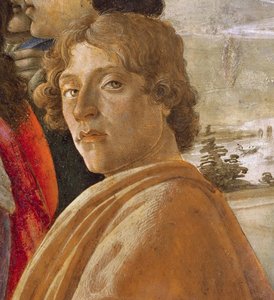
Sandro Botticelli
1445 - 1510 , Italien
Kurzinfos
- Beeinflusste Künstler: ['Präraffaeliten']
- Bemerkenswerte Werke:
- Die Geburt der Venus
- Primavera
- Mystische Geburt
- Einflussreiche Künstler:
- Fra Angelico
- Paolo Uccello
- Geburtsdatum: ca. 1445
- Geburtsort: Florenz, Italien
- Künstlerische Bewegung: Frührenaissance
- Nationalität: Italienisch
- Sterbedatum: 1510
- Vollständiger Name: Sandro Botticelli
Ähnliche Artikel

Sandro Botticelli: Die 25 Meisterwerke des Renaissance-Genies – Kunst für Ihr Zuhause
Entdecken Sie die 25 schönsten Meisterwerke von Sandro Botticelli! Erleben Sie die Renaissance-Kunst mit 'Geburt der Venus', 'Primavera' & mehr. Hochwertige Reproduktionen für Ihr Zuhause – jetzt auf AllPaintingsStore.com!
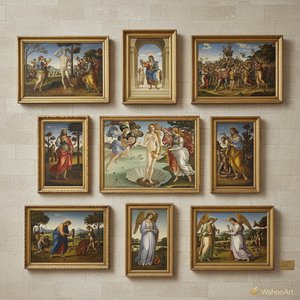
Frührenaissance: Die 10 Meisterwerke, die eine Epoche prägten – Kunst für Ihr Zuhause
Entdecken Sie die 10 prägendsten Meisterwerke der Frührenaissance! Von Giotto bis Botticelli – erleben Sie Kunstgeschichte hautnah. Hochwertige Reproduktionen für Ihr Zuhause auf .

Sacred Narratives Embodied: A Comprehensive Exploration of Religious Iconography in Art History
Explore the rich history of religious iconography in art! Discover symbolism, movements & masterpieces from Byzantine to Renaissance periods. Expert insights for collectors and enthusiasts at AllPaintingsStore.
Die 25 Meisterwerke der Uffizien: Kunstgeschichte für Ihr Zuhause | AllPaintingsStore
Entdecken Sie die 25 berühmtesten Meisterwerke der Uffizien, Florenz! Von Botticelli bis Leonardo da Vinci – Kunstgeschichte erleben. Hochwertige Reproduktionen & Inspiration für Ihr Zuhause auf AllPaintingsStore.com.

Die Subtilität der Pastelltechnik: Geschichte, Anwendung und emotionale Resonanz
Entdecken Sie die faszinierende Welt der Pastellmalerei! Erfahren Sie mehr über Technik, Geschichte und berühmte Künstler. Hochwertige Reproduktionen bei AllPaintingsStore.


