Vorschau anzeigen
 Versenden
 Teilen
 Details anzeigen

 Herunterladen
 Ähnliche Objekte
 Röntgenaufnahme
 Diashow
John Ruskin
 Oil
Oil- WallArt
- Pre-Raphaelite
 1854
1854- 19th Century
 79.0 x 68.0 cm
 Weiterlesen
Giclée / Kunstdruck
Giclée- oder Leinwanddruck in Museumsqualität mit schneller Produktion und flexiblen Veredelungsoptionen. ( Handgemalte Reproduktion bestellen Bild kaufen)




P118B $10

P118H $10

P118W $10

P438Z $10

P508JH $12

P508YH $12

P805H $10

P805Z $10

P919BZ $10

P919G $10

P919XJ $10

P959ZH $10

P968JZ $12

W106C $8

W218G $10

W218JH $8

W218Y $10

W307PJ $10

W316G $10

W316PJ $8

W316Y $10

W398PJ $8

W4111J $10

W500HY $15

W500JH $15

W692G $12

W849H $8

W940BG $15

W953PJ $8




Wählen Sie aus unseren vordefinierten Formaten, die den ursprünglichen Proportionen des Kunstwerks entsprechen.

Sie können Ihre eigenen Maße eingeben, um ein bestimmtes Format oder einen speziellen Platz einzupassen. Wenn das von Ihnen gewählte Format nicht den Proportionen des Originalbildes entspricht, werden wir das Kunstwerk entweder beschneiden oder das Bild mit einem gespiegelten oder einfarbigen Rand erweitern. Ein digitaler Entwurf wird Ihnen zur Genehmigung zugesandt, bevor die Produktion beginnt.
Bitte beachten Sie, dass die Vorschau auf dem Bildschirm nicht den tatsächlichen Zuschnitt oder die Erweiterung widerspiegelt. Nur der Entwurf zeigt die endgültige Komposition präzise an.
Obwohl Sondermaße verfügbar sind, empfehlen wir die Auswahl eines Maßes aus der vordefinierten Liste, um die ursprünglichen Proportionen zu bewahren.
Weltweiter Versand () innerhalb von 2 Wochen statt der üblichen 4/5 Wochen. (19 August)

Kostenloser weltweiter Expressversand

Hochwertige Leinenleinwand

Umfassender Versicherungsschutz beim Versand

Zollgebühren-Rückerstattungsgarantie

Garantie für exakte Farbtreue

60 Tage Rückgaberecht (nur bei Mängeln)

100% Geld-zurück-Garantie

Mengenrabatt verfügbar
 Die Glasoption ist nur für Größen unter 110 cm verfügbar.

John Ruskin
Giclée / Kunstdruck
Format der Reproduktion
-


Gesamtpreis
$ 64
Sammlerstück-Beschreibung
A Meeting of Minds: The Soul of Pre-Raphaelite Realism
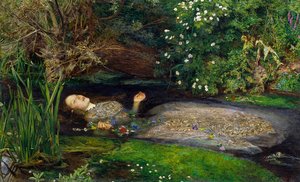
In the mid-19th century, a profound connection was forged between the lens of critical thought and the brush of artistic genius. Sir John Everett Millais’s 1854 portrait of John Ruskin stands as a breathtaking testament to this era of intellectual and aesthetic revolution. The painting captures more than just a man; it captures a moment in history where the boundaries of truth, nature, and human emotion were being redrawn. As the viewer encounters the subject, they are met with a gaze that is both piercing and contemplative, reflecting the weight of a man who was not only a titan of art criticism but a visionary social thinker. Millais, a prodigy of the Pre-Raphaelite Brotherhood, utilizes his unparalleled ability to render texture and light to bring Ruskin to life, placing him within a rugged, elemental landscape that mirrors the depth of his own intellect.
The composition is masterfully orchestrated to evoke a sense of dramatic permanence. Standing amidst weathered rocks near the cascading energy of a waterfall, Ruskin appears as an extension of the natural world he so passionately defended in his writings. The interplay between the man’s formal attire—the structured suit and tie that signify Victorian gravity—and the untamed, flowing water in the background creates a compelling tension. This juxtaposition serves as a visual metaphor for the struggle between civilization and the sublime power of nature. For the collector or interior designer, this piece offers a profound focal point, bringing an atmosphere of scholarly prestige and organic vitality to any curated space.
Technique, Texture, and the Majesty of Nature
Millais’s technical execution in this portrait is nothing short of extraordinary, embodying the very principles of verisimilitude that defined his early career. Every element, from the damp sheen on the stones to the delicate spray of the distant waterfall, is rendered with a meticulous, almost photographic fidelity. The artist employs a rich palette that allows the cool tones of the water and the earthy textures of the landscape to harmonize with the somber, dignified tones of Ruskin’s clothing. This dedication to detail ensures that the painting does not merely represent a scene but invites the viewer to inhabit it, feeling the mist of the falls and the solidity of the earth.
Beyond the mere imitation of reality, there is a profound emotional resonance embedded in the brushwork. The way light catches the contours of Ruskin’s face suggests an inner life of intense scrutiny and passion. This is not a static portrait; it is a living narrative of a man deeply entwined with the landscapes he analyzed. For those seeking to adorn a home or gallery with art that inspires deep thought, this reproduction offers a window into the Victorian soul. It provides a sophisticated aesthetic anchor that complements both classical and contemporary interiors, bridging the gap between historical reverence and modern elegance through its timeless depiction of character and the sublime.
Ähnliche Kunstwerke


Über den Künstler
Frühes Leben und Ausbildung
Sir John Everett Millais, ein renommierter englischer Maler und Illustrator, wurde am 8. Juni 1829 in Southampton, England, geboren. Als Wunderkind wurde er bereits im Alter von elf Jahren zum jüngsten Schüler der Royal Academy Schools zugelassen.Gründung der Präraffaeliten
Im September 1848 gründeten Sir John Everett Millais, zusammen mit William Holman Hunt und Dante Gabriel Rossetti, die Präraffaeliten in seinem Familiendomizil in Gower Street, London. Diese Bewegung strebte danach, den Stil der frühen italienischen Renaissance wiederzubeleben.Bedeutende Werke
Zu Sir John Everett Millais' bedeutendsten Werken zählen:- Christ in der Werkstatt seines Vaters (1849-1850), ein höchst kontroverses Werk, das seine realistische Darstellung einer Arbeiterfamilie als Heilige Familie zeigte.
- Ein hugenottisches Paar (1851-1852), das ein junges Paar darstellt, das aufgrund religiöser Konflikte voneinander getrennt werden soll.
- Ophelia (1851-1852), ein Gemälde, das seine dichten und elaborierten bildlichen Oberflächen demonstrierte, oft konzentriert auf die Schönheit und Komplexität der Naturwelt.
- Mariana (1850-1851), basierend auf dem Stück "Was ihr wollt" von William Shakespeare und dem Gedicht gleichen Namens von Alfred Lord Tennyson.
Einfluss und Spätere Werke
Sir John Everett Millais' spätere Werke wurden von seiner Frau Effie beeinflusst, die zuvor mit dem Kritiker John Ruskin verheiratet war. Sein Stil entwickelte sich zu einer breiteren Form des Realismus, der zunächst von Ruskin kritisiert wurde, aber später als bedeutender Beitrag zur Kunstwelt anerkannt wurde.Museen und Sammlungen
Werke Sir John Everett Millais' finden sich in verschiedenen Museen, darunter:- Die Tate Britain in London, die The Order of Release (1853) und Ophelia (1852) zeigt.
- Das Ashmolean Museum in Oxford, das The Return of the Dove to the Ark (1851) ausstellt.
Vermächtnis
Sir John Everett Millais' Vermächtnis geht über seine Kunst hinaus. Er war ein Pionier der Präraffaelitenbewegung und eine bedeutende Figur in der Entwicklung der britischen Kunst.- Erfahren Sie mehr über Sir John Everett Millais auf AllPaintingsStore.com.
- Erkunden Sie die Präraffaelitenbewegung und ihren Einfluss auf die britische Kunst bei Wikipedia.

Sir John Everett Millais
1829 - 1896 , Vereinigtes Königreich
Kurzinfos
- Beeinflusste Künstler: ['Dante Gabriel Rossetti']
- Bemerkenswerte Werke:
- Christ in der Elternhaus
- Ein hugenottisches Paar
- Ophelia
- Mariana
- Einflüsse: ['Frührenaissance Italien']
- Geburtsdatum: 8. Juni 1829
- Geburtsort: Southampton, Vereinigtes Königreich
- Künstlerische Bewegung: Präraffaeliten
- Nationalität: Britisch
- Todatum: 13. August 1896
- Vollständiger Name: Sir John Everett Millais
Ähnliche Artikel

Pre-Raphaelite Romanticism: A Guide to Vivid Detail and Medieval Beauty in Victorian Art
Explore the vivid detail and medieval beauty of Pre-Raphaelite Romanticism. Discover the history of masters like Rossetti and Millais through our expert guide to Victorian art, perfect for collectors and professionals seeking authentic, museum-quality reproductions.