


 Vorschau anzeigen
 Versenden
 Teilen
 Details anzeigen
 Leitfaden

 Herunterladen
 Ähnliche Objekte
 Röntgenaufnahme
 Diashow
 Statistiken
Spring
 Oil
Oil- WallArt
- Young Poland
 19th Century
 5.0 x 59.0 cm
 Masowisches Museum
 Weiterlesen
Handgefertigte Ölreproduktion
Handgemaltes Ölgemälde auf Leinwand in Ihrer Wunschgröße und mit Rahmen, auf Bestellung von unseren Künstlern angefertigt. ( Zum Druck wechseln Zum digitalen Bild wechseln)




P118B €10

P118H €10

P118W €10

P438Z €10

P508JH €12

P508YH €12

P805H €10

P805Z €10

P919BZ €10

P919G €10

P919XJ €10

P959ZH €10

P968JZ €12

W106C €8

W218G €10

W218JH €8

W218Y €10

W307PJ €10

W316G €10

W316PJ €8

W316Y €10

W398PJ €8

W4111J €10

W500HY €15

W500JH €15

W692G €12

W849H €8

W940BG €15

W953PJ €8




Wählen Sie aus unseren vordefinierten Formaten, die den ursprünglichen Proportionen des Kunstwerks entsprechen.

Geben Sie die Breite und die Höhe an, die Sie für Ihren Rahmen oder Ihre Wand benötigen. Da dieses Werk handgemalt ist, kann der Künstler bei einer anderen Form etwas mehr um das Bild herum malen oder etwas abschneiden – Sie entscheiden. Wir senden Ihnen ein digitales Mockup zur Freigabe, bevor mit dem Malen begonnen wird. Das auf dieser Seite gezeigte Bild stellt nicht das tatsächliche Ergebnis dar – dies tut nur das Mockup.
Nach der Bestellung wird das AllPaintingsStore.com-Team dem Kunden Anweisungen per E-Mail zusenden und eine Mockup-Vorschau bereitstellen.
Weltweiter Versand () in nur 3 bis 4 Wochen statt der üblichen 5 Wochen. (27 Oktober). Keine Kompromisse bei der Qualität.

Kostenloser weltweiter Expressversand

Hochwertige Leinenleinwand

Umfassender Versicherungsschutz beim Versand

Zollgebühren-Rückerstattungsgarantie

Garantie für exakte Farbtreue

100 Tage Rückgaberecht (nur bei Mängeln)

100% Geld-zurück-Garantie

Mengenrabatt verfügbar
 Die Glasoption ist nur für Größen unter 110 cm verfügbar.

Spring
Art der Reproduktion
Format der Reproduktion
-


Endpreis
€ 227
A Moment of Introspection: The Radiance of Spring
In the delicate brushstrokes of Teodor Axentowicz’s "Spring," we are invited into a private, sun-drenched sanctuary where time seems to pause. This captivating portrait captures a woman of striking presence, her vibrant red hair and matching hat serving as a brilliant focal point against the soft, natural light of an outdoor setting. As she gazceptively holds a mirror, gazing at her own reflection, the painting transcends mere portraiture to become a profound meditation on identity and self-perception. The composition is masterfully balanced; while the woman remains the emotional heart of the piece, subtle details such as a perched bird in the upper periphery and a quiet arrangement of a vase and book in the lower corner weave a narrative of peaceful coexistence between humanity and the natural world.
The technique employed here speaks to Axentowicz’s rigorous academic training in Munich and Paris. There is a palpable sense of texture in the way light dances across the fabric of her attire and the reflective surface of the mirror, suggesting a mastery of light and shadow that recalls the great masters he once studied. The artist utilizes a palette that celebrates the warmth of a burgeoning season, using luminous tones to evoke the gentle heat of a sunny day. This skillful application of paint creates an atmosphere that is both tactile and ethereal, making the scene feel as though it could be witnessed through a window into another era.
Symbolism and the Spirit of the Era
Beyond its aesthetic beauty, "Spring" carries deep symbolic weight. The mirror, a classic motif in art history, serves as a window into the soul, representing the duality of appearance and essence. In this context, the act of looking inward during the season of rebirth suggests a period of personal renewal and growth. The presence of the bird and the floral elements further reinforces the theme of vitality and the cyclical nature of life. As a key figure in the Young Poland movement, Axentowicz often infused his works with a sense of romanticism and national identity, and here, that spirit manifests as a quiet, introspective joy found in the simple beauty of the outdoors.
For the discerning collector or interior designer, this piece offers more than just visual elegance; it provides an emotional anchor for a room. The painting’s ability to evoke tranquility makes it an ideal centerpiece for spaces designed for contemplation, such as a library, a study, or a serene bedroom. Whether displayed as a high-quality reproduction in a modern gallery setting or integrated into a classical arrangement, "Spring" brings with it an enduring sense of grace and a timeless connection to the beauty of the natural world.
Fragen & Antworten
Wie hoch ist der Kontrast von "Spring" von Teodor Axentowicz?
Der Hell-Dunkel-Kontrast von „Spring“ wird mit Gentle angegeben. Der Kontrast beschreibt, wie stark sich helle und dunkle Bereiche voneinander unterscheiden.
Wie harmonisch sind die Farben von "Spring" von Teodor Axentowicz?
Die Farbharmonie von „Spring“ wird als Strong Color Unity beschrieben.
Welche Grundfarbe prägt "Spring" von Teodor Axentowicz?
Ein Ochre to Sepia Farbton durchzieht "Spring" von Teodor Axentowicz.
Ähnliche Kunstwerke


Künstlerbiografie
Teodor Axentowicz: Leben und Vermächtnis
Frühes Leben und Ausbildung
- Teodor Axencowicz wurde am 13. Mai 1859 in Brașov geboren – damals noch Teil Österreich-Ungarns, heute Rumänien – und entstammte einer Familie mit polnisch-armenischen Wurzeln.
- Seine erste künstlerische Ausbildung erhielt er zwischen 1879 und 1882 an der renommierten Akademie der Bildenden Künste in München.
- Axentowicz setzte seine Studien in Paris unter der Leitung von Carolus-Duran bis 1895 fort, eine Ära, die für die Entwicklung seines unverwechselbaren Stils und seiner Technik von entscheidender Bedeutung war.
Künstlerische Entwicklung und Einflüsse
- Während seiner Zeit in Paris arbeitete Axentowicz als Kopist und reproduzierte Werke von Meistern wie Tizian und Botticelli für Publikationen wie Le Monde Illustré. Diese Tätigkeit schärfte seine technischen Fähigkeiten und vertiefte sein Verständnis der Kunstgeschichte nachhaltig.
- Seine frühen Reisen nach London und Rom ermöglichten es ihm, sich als versierter Porträtmaler zu etablieren.
- Obwohl er von der akademischen Tradition beeinflusst war, begann er auch, modernere Ansätze der Malerei zu erkunden, was sich besonders in seinen Darstellungen des Volkslebens widerspiegelte.
Die Zusammenarbeit an der Panorama von Racławice
- Im Jahr 1894 arbeitete Axentowicz gemeinsam mit Wojciech Kossak und Jan Styka an der Panorama von Racławice, einem monumentalen Panoramagemälde, das an die Schlacht von Racławice während des Kościuszko-Aufstands erinnert.
- Dieses Projekt war ein bedeutendes Unterfangen in der polnischen Kunstgeschichte und demonstrierte seine Fähigkeit, in großem Maßstab zu arbeiten und zur Gestaltung nationaler Narrative beizutragen.
Professor an der Krakau-Akademie & Künstlerischer Fokus
- Im Jahr 1895 zog Axentowicz nach Krakau und wurde Professor an der dortigen Akademie der Bildenden Künste, eine Position, die er bis 1934 innehatte.
- Mit der Gründung eines künstlerischen Konservatoriums für Frauen im Jahr 1897 unterstrich er sein tiefes Engagement für die künstlerische Bildung.
- Axentowicz ist vor allem für seine Porträts und Szenen bekannt, die das Leben der Hutsulen darstellen – einer ukrainischen Volksgruppe, die in den Karpaten beheimatet ist.
- Seine Darstellungen der Hutsul-Kultur zeichnen sich durch Sensibilität, Realismus und eine lebendige Farbpalette aus; er hielt ihre Rituale, Bräuche und ihr tägliches Leben mit bemerkenswerter Detailtreue fest.
Mitgliedschaft in Künstlervereinigungen & Anerkennung
- Er war ein Gründungsmitglied der Gesellschaft Sztuka (Kunst), einer bedeutenden Gruppe innerhalb der Bewegung „Junges Polen“. Zu den weiteren Mitgliedern gehörten Größen wie Józef Chełmoński und Jan Stanisławski.
- Im Jahr 1910 wurde Axentowicz zum Rektor der Akademie der Bildenden Künste in Krakau ernannt.
- Im Laufe seiner Karriere erhielt er zahlreiche Auszeichnungen, darunter Goldmedaillen auf internationalen Ausstellungen in Berlin, St. Louis, München, London, Venedig und Paris.
Späteres Leben und historische Bedeutung
- Axentowicz malte und stellte seine Werke bis zu seinem Tod am 26. August 1938 in Krakau aus.
- Seine Gemälde befinden sich heute in bedeutenden öffentlichen Sammlungen in ganz Polen sowie in Privatsammlungen auf der ganzen Welt.
- Er bleibt als eine zentrale Figur der polnischen Kunstgeschichte in Erinnerung, insbesondere für seinen Beitrag zur Darstellung der Volkskultur und seine Rolle bei der Gestaltung der künstlerischen Ausbildung in Krakau. Sein Werk bietet wertvolle Einblicke in das Leben und die Traditionen der Hutsulen während einer Zeit des kulturellen Wandels.

Teodor Axentowicz
1859 - 1938 , Rumänien
Kurzinfos
- Artistic Movement Or Style: Young Poland
- Artists Or Movements Influenced By This Artist: ['Polnische Folklore']
- Artists Who Influenced This Artist: ['Carolus-Duran']
- Date Of Birth: 13. Mai 1859
- Date Of Death: 26. Aug. 1938
- Full Name: Teodor Axentowicz
- Nationality: Polnisch-Armenisch
- Notable Artworks:
- Racławice Panorama
- Hutsul Leben
- Place Of Birth: Brașov, Rumänien
Ähnliche Artikel

Crimson Threads of Narrative: Exploring Symbolism & Representation in Artworks Featuring the Red Dress
Explore the rich symbolism of the red dress in art history! From ancient power displays to iconic portraits like Cézanne’s 'Madame Cezanne', discover the cultural and artistic significance behind this captivating color. Expert analysis & insights.

Mark Rothkos Meisterwerke: Die Top 25 für Kunstliebhaber | AllPaintingsStore
Entdecken Sie die 25 Meisterwerke von Mark Rothko! Tauchen Sie ein in die Welt der abstrakten Kunst, des Expressionismus und der Farbfeldmalerei. Hochwertige Kunstdrucke & Reproduktionen auf AllPaintingsStore.com – für Ihre Wohnräume.
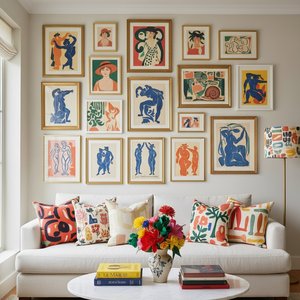
Henri Matisse: Die 25 Meisterwerke des Farbgenies – Kunst für Ihr Zuhause | AllPaintingsStore
Entdecken Sie die 25 Meisterwerke von Henri Matisse! Tauchen Sie ein in die Welt des Fauvismus, der leuchtenden Farben und ikonischen Formen. Kunstreproduktionen & Inspiration für Ihr Zuhause – exklusiv auf AllPaintingsStore.com.

Top 10 Kunstwerke für tiefe Ruhe: Meisterwerke & Inspirationen |
Entdecken Sie die Top 10 Kunstwerke für tiefe Ruhe & Entspannung! Von Monet bis Van Gogh – Meisterwerke der Impressionisten, japanische Druckkunst und mehr. Finden Sie Ihre perfekte Leinwand auf

Ruhe und Harmonie: Die 10 ikonischsten Kunstwerke für Ihr Zuhause
Entdecken Sie die 10 ikonischsten Kunstwerke, die Ruhe und Harmonie verkörpern – von Monets Seerosen bis Van Goghs Sternennacht. Erfahren Sie mehr über Künstler & Techniken! Museum-Qualität bei AllPaintingsStore.com

