

Dynamische Dekomposition
1913. Malerei.

§ 1Catalogue data


§ 2Abstract
Beschreibung des Sammlerstücks
Erleben Sie Boccionis Meisterwerk Dynamische Dekomposition voller Energie. Entdecken Sie die revolutionäre Kraft des Futurismus!
 Weiterlesen
Künstlerbiografie
Umberto Boccioni (1882-1916) war ein führender italienischer Futurist-Maler und -Bildhauer. Entdecken Sie seine dynamischen Werke, die für die Zerstörung von Formen, die Darstellung von Bewegung und die Feier der Moderne bekannt sind. Finden Sie 'Dynamismus eines menschlichen Körpers' und mehr!
§ 3Commentary
Der Puls der Moderne: Eine Sinfonie der Bewegung
Im Herzen des frühen zwanzigsten Jahrhunderts, als die Zahnräder der Industriellen Revolution mit beispielloser Heftigkeit zu mahlen begannen, wurde eine neue visuelle Sprache geboren – eine Sprache, die nicht nur die Welt so einfangen wollte, wie sie erschien, sondern die elektrische Energie dessen, wie sie sich anfühlte. Umberto Boccionis Dynamische Dekomposition, gemalt im Jahr 1913, steht als monumentales Zeugnis dieser Ära des Wandels. Dieses Werk ist weit mehr als eine bloße Darstellung von Figuren; es ist eine viszerale Erkundung des futuristischen Geistes, die die Besessenheit der Bewegung von Geschwindigkeit, Technologie und dem unaufhaltsamen Marsch des Fortschritts verkörpert. Den Blick auf dieses Stück zu richten bedeutet, in eine Welt einzutreten, in der die Grenzen zwischen fester Materie und reiner Energie zu verschwimmen beginnen, was einen fesselnden Einblick in eine Vision eines Europas bietet, das durch die Industrialisierung radikal neu gestaltet wurde.
Die Komposition dient als Meisterklasse der futuristischen Technik des tubolare, einer Methode, die darauf ausgelegt war, die traditionelle, statische Perspektive zugunsten von fragmentierten Ebenen und überlappenden Formen abzulehnen. Boccioni malt nicht einfach einen Mann; er malt die reine Empfindung der Bewegung selbst. Durch eine raffinierte Manipulation von Licht und Schatten erzeugt der Künstler ein spürbares Gefühl von Instabilität und Desorientierung. Die Figuren innerhalb der Szene scheinen in einem Moment intensiver, sich entfaltender Action gefangen zu sein – eine Kollision von Individuen und Kräften, die die sozialen und technologischen Umwälzungen jener Zeit widerspiegelt. Während das Auge durch die wirbelnde Komposition wandert, bemerkt man, wie die tonalen Variationen die gebrochenen Konturen betonen und den Betrachter in einen rhythmischen Tanz von Licht und Dunkel ziehen, der sich sowohl chaotisch als auch akribisch orchestriert anfühlt.
Ein Erbe der Fragmentierung und Kraft
Über seine technische Brillanz hinaus trägt die Dynamische Dekomposition das tiefe Gewicht des Futuristischen Manifests in sich. Inspiriert von den brandgefährlichen Worten Filippo Tommaso Marinettis, suchte Boccioni danach, bürgerliche künstlerische Traditionen zu zertrümmern und den „Lärm“ und das „Licht“ des städtischen Lebens zu umarmen. Die Symbolik innerhalb des Werkes ist tief in dieser Ablehnung der Vergangenheit verwurzelt; die Art und Weise, wie die Figuren sich aktiv in ihre Umgebung aufzulösen scheinen, repräsentiert den Zusammenbruch alter Gewissheiten. Es ist eine Feier des Maschinenzeitalters, in dem das Individuum nicht länger ein statisches Wesen ist, sondern ein Teilnehmer an einem größeren, turbulenteren Fluss kosmischer und mechanischer Energie.
Für den anspruchsvollen Sammler oder Innenarchitekten bietet dieses Kunstwerk eine unvergleichliche Gelegenheit, einem Raum ein Gefühl von intellektueller Tiefe und avantgardistischer Raffinesse zu verleihen. Eine hochwertige Reproduktion dieses Meisterwerks dekoriert nicht nur eine Wand; sie fordert Aufmerksamkeit und fungiert als Mittelpunkt, der Gespräche anregt und ein Gefühl dynamischer Vitalität hervorruft. Ob in einem zeitgenössischen Galerienumfeld platziert oder in eine kuratierte private Sammlung integriert – Boccionis Werk bringt ein dauerhaftes Gefühl von Bewegung und historischer Bedeutung mit sich und macht es zu einer essenziellen Errungenschaft für all jene, die Kunst schätzen, welche die Sinne herausfordert und das eigentliche Wesen des menschlichen Fortschritts einfängt.
Fragen & Antworten
Wie spiegeln sich Stilrichtung und Epoche in "Dynamische Dekomposition" von Umberto Boccioni wider?
"Dynamische Dekomposition" von Umberto Boccioni lässt sich der Strömung des Kubistische Dekomposition innerhalb der Moderne-Ära seines Schöpfers zuordnen.
Kann ich eine Ölreproduktion von "Dynamische Dekomposition" bestellen?
Handgemalte Kopien von "Dynamische Dekomposition" von Umberto Boccioni sind auf diese Webseite erhältlich: eine handgemalte Ölreproduktion auf Leinenleinwand, bestellbar über die Seite Handgemalte Ölreproduktion.
Welche Atmosphäre verleiht "Dynamische Dekomposition" von Umberto Boccioni einem Raum?
"Dynamische Dekomposition" von Umberto Boccioni strahlt eine Ausdrucksstark Atmosphäre aus und wird für ein Coworking-Spaces empfohlen. Die Stimmung beschreibt das Gefühl, das das Werk in den umgebenden Raum bringt.
§ 4The artist
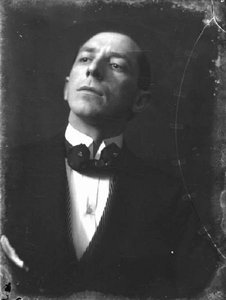
Umberto Boccioni
1882 - 1916, Italien
Kurzinfos
- Beeinflusste Künstler:
- Giovanni Mataloni
- Giacomo Balla
- Bemerkenswerte Werke:
- Dynamismus eines Menschen
- Einzigartige Formen im Raum
- Die Stadt erhebt sich
- Dimensionale Pferdeformen
- Geburtsdatum: 19. Oktober 1882
- Geburtsort: Reggio Calabria, Italien
- Künstlerische Bewegung: Futurismus
- Nationalität: Italienisch
- Sterbedatum: 1916
- Vollständiger Name: Umberto Boccioni
- Von Künstlern Beeinflusst:
- Divisionismus
- Kubismus
Künstlerbiografie
frühe Jahre und Ausbildung
umberto boccioni, ein bedeutender italienischer Maler und Bildhauer, wurde am 19. Oktober 1882 in Reggio Calabria, Italien, geboren. Durch den Job seines Vaters wurde es zu häufigen Umzügen durch Italien, was Boccionis frühes Leben beeinflusste. Mit 15 Jahren ließ er sich in Catania, Sizilien, nieder, wo er seine Schulausbildung beendete. Später zog er nach Rom, um an der Accademia di Belle Arti di Roma's scuola libera del nudo und unter Giovanni Mataloni, einem Künstler im Stil der Libertät für Plakate, zu studieren.Die Futuristenbewegung
Boccionis innovativer Ansatz zur Form und zum Zerfall von Masse hatte einen erheblichen Einfluss auf die Kunstwelt. Er wurde zum Haupttheoretiker der Futuristenbewegung und unterschrieb das Manifesto dei Pittori Futuristi ("Manifest der futuristischen Maler") im Jahr 1910. Seine Werke werden von vielen öffentlichen Kunstmuseen besichert, darunter eine umfangreiche Retrospektive im Metropolitan Museum of Art in New York City im Jahr 1988.Bedeutende Werke und Vermächtnis
- Dynamik eines menschlichen Körpers (Futurismus, Öl auf Leinwand), ein Gemälde, das Boccionis einzigartigen Stil zeigt.
- Dimensionale Formen eines Pferdes (40 x 40 cm, Futurismus, Öl auf Leinwand), ein weiteres Beispiel für seinen innovativen Ansatz zur Form.
- Einzigartige Formen der Kontinuität im Raum (Futurismus, Bronze), eine Skulptur, die seinen Zerfall von fester Masse demonstriert.
Relevante Links von AllPaintingsStore.com
- Gemälde von 'umberto boccioni' | umberto boccioni:dynamik eines menschlichen Körpers (Futurismus, Öl auf Leinwand,)
- Gemälde von 'umberto boccioni' | umberto boccioni:dimensionale Formen eines Pferdes (40 x 40 cm, Futurismus, Öl auf Leinwand,)
- Gemälde von 'umberto boccioni' | umberto boccioni:Löwen (Futurismus, Öl auf Leinwand,)
Wikipedia: umberto boccioni
umberto boccioni, ein einflussreicher italienischer Maler und Bildhauer. Er half, die revolutionäre Ästhetik der Futuristenbewegung als einer ihrer Hauptfiguren zu gestalten. Anmerkung: Dieser Artikel ist eine Übersetzung aus dem Italienischen, aber zu Analysezwecken wurde er ins Englische übersetzt. Die ursprüngliche Frage war auf Italienisch gestellt.§ 5Comparanda
Ähnliche Kunstwerke


§ 6Questions
§ 7Further reading
Ähnliche Artikel

Weiße Meisterwerke: Die Top 10 berühmtesten Gemälde und ihre zeitlose Eleganz
Entdecken Sie die Top 10 berühmter Gemälde, dominiert von Weiß! Von Malewitsch bis Rothko – erfahren Sie Geschichten hinter ikonischen Kunstwerke und lassen Sie sich für Ihre Wohnraumgestaltung inspirieren. Kunstreproduktionen in Museumsqualiät auf

Giclée Prints: Archival Quality & Aesthetic Nuances for the Discerning Collector
Explore the world of giclée prints with AllPaintingsStore. Learn about archival quality, aesthetic nuances & investment potential. Expert guidance for discerning art collectors seeking museum-quality reproductions and lasting value.

Die Top 10 berühmter Gemälde im Reich der dunklen Töne |
Entdecken Sie die Top 10 berühmter Gemälde, beherrscht von dunklen Tönen! Von Caravaggio bis Manet – erfahren Sie die Geschichten hinter Meisterwerken der Kunstgeschichte. Finden Sie Ihre perfekte Reproduktion auf .

Beyond Color: The Timeless Power and Artistry of Black and White Photography
Explore the profound artistry of black and white photography. From the chemistry of gelatin silver to the chiaroscuro of the Old Masters, discover how monochrome captures the eternal essence of light, form, and emotion for the discerning art collector.

Monochrome Visions: Exploring the Aesthetic & Historical Significance of Black & White Photography
Explore the rich history & artistic power of black and white photography. From early techniques to iconic masters like Ansel Adams, discover why monochrome continues to captivate art lovers today. Expert insights for collectors.
Cite this entry
AllPaintingsStore.com, “Umberto Boccioni, Dynamische Dekomposition (1913)”, https://allpaintingsstore.com/de/art/umberto-boccioni-dynamische-dekomposition-8xz3jr-de/ (accessed 1 Oktober 2026).
§ 8The reproduction
Handgefertigte Ölreproduktion
Handgemaltes Ölgemälde auf Leinwand in Ihrer Wunschgröße und mit Rahmen, auf Bestellung von unseren Künstlern angefertigt. ( Zum Druck wechseln Zum digitalen Bild wechseln)
It is specified on the order sheet in the margin; the present state of that sheet reads as follows.

Dynamische Dekomposition
Art der Reproduktion
Format der Reproduktion
-

Erstklassige Meisterkünstler
Mehr Detailtiefe, Raffinesse und zusätzliche Produktionszeit
-

Rahmen für Reproduktionen
-
-
Bei Kunstwerken oder Reproduktionen, die an einer Seite größer als 105 cm (ca. 41 Zoll) sind, wird der Rahmen zerlegt als Bausatz geliefert. Diese Methode gewährleistet eine sichere Zustellung und verhindert Schäden während des Transports.
Professionelle Montage erforderlich – dies ist kein DIY-Produkt.
Der Bausatz muss von einem erfahrenen professionellen Rahmenmacher zusammengebaut und die Leinwand gespannt werden. Hierfür werden Holzleim (nicht im Lieferumfang enthalten), eine Leinwandspannzange sowie Klemmen benötigt, um die Keilleisten während des Trocknungsvorgangs rechtwinklig zu halten. Eine unsachgemäße Montage oder eine ungleichmäßige Spannung der Leinwand kann das Kunstwerk dauerhaft beschädigen und ist nicht durch unsere Garantie abgedeckt.
 Bei Kunstwerken oder Reproduktionen, die an einer Seite größer als 105 cm (ca. 41 Zoll) sind, wird der Rahmen zerlegt als Bausatz geliefert. Diese Methode gewährleistet eine sichere Zustellung und verhindert Schäden während des Transports.
Alle Vollholzkomponenten sind enthalten, präzise auf Maß zugeschnitten.
Der Zusammenbau erfolgt mit den mitgelieferten Schrauben sowie Holzkleber für die Eckverbindungen, der nicht im Lieferumfang enthalten ist und vom Rahmenbauer selbst beschafft werden muss.
Professionelles Werkzeug ist erforderlich und nicht im Lieferumfang enthalten: eine Keilrahmenzange (Spannwerkzeug) sowie Klammern, um die Leisten während der Trocknungszeit des Klebers rechtwinklig zu fixieren.
Wichtiger Hinweis:
Für die Eckverbindungen wird Holzleim benötigt, die Leisten müssen mit Zwingen fixiert werden, bis der Leim vollständig getrocknet ist, und das Spannen der Leinwand auf dem fertigen Rahmen erfordert eine Keilrahmen-Zange. Keines dieser Utensilien ist im Set enthalten. Bitte stellen Sie sicher, dass ein erfahrener Rahmenmacher zur Verfügung steht, bevor Sie diese Größe bestellen.

Beschriftung
-
-

Schutzlackierung
Glanzlack (verstärkt die Farben, schützt vor Licht und Feuchtigkeit)
-

Mein Kunstwerk personalisieren
Beispiele für Anpassungsmöglichkeiten: Gesicht durch Kundenfoto ersetzen; Haustier hinzufügen (z. B. Katze durch Hund ersetzen); Versteckte Nachricht im Hintergrund einfügen; Hintergrundlandschaft oder -elemente ändern.
-

Eilt sehr
Weltweiter Versand () in nur 3 bis 4 Wochen statt der üblichen 5 Wochen. (29 Oktober). Keine Kompromisse bei der Qualität.
-
Expressversand
Weltweiter Versand () innerhalb von 5 Wochen. (5 November).
Inklusive Versand
Endpreis
€ 227
Included with every order
- Kostenloser weltweiter Expressversand
- Hochwertige Leinenleinwand
- Umfassender Versicherungsschutz beim Versand
- Zollgebühren-Rückerstattungsgarantie
- Garantie für exakte Farbtreue
- 100 Tage Rückgaberecht (nur bei Mängeln)
- 100% Geld-zurück-Garantie
- Mengenrabatt verfügbar


