


 Versenden als Grußkarte
 Teilen
 Details anzeigen
 Leitfaden öffnen

 Herunterladen
 Ähnliche Objekte
 Diashow
 Besucherstatistiken
Benjamin Lay


 Mehr anzeigen
Giclée / Kunstdruck
Giclée- oder Leinwanddruck in Museumsqualität mit schneller Produktion und flexiblen Veredelungsoptionen. ( Handgemalte Reproduktion kaufen Zum digitalen Bild wechseln)




































Wählen Sie aus unseren vordefinierten Formaten, die den ursprünglichen Proportionen des Kunstwerks entsprechen.

Geben Sie die Breite und die Höhe an, die Sie benötigen, damit der Druck perfekt in Ihren Rahmen oder an Ihre Wand passt. Ein Druck kann nur beschnitten werden und niemals größer als das Originalbild gemacht werden; daher verliert ein Format mit einer anderen Proportion einen Teil des Bildes. Wir senden Ihnen ein digitales Mockup zur Freigabe, bevor wir den Druck ausführen. Das auf dieser Seite gezeigte Bild zeigt nicht den tatsächlichen Beschnitt – dies ist nur im Mockup ersichtlich.
Weltweiter Versand () innerhalb von 2 Wochen statt der üblichen 4/5 Wochen. (23 Oktober)

Kostenloser weltweiter Expressversand

Hochwertige Leinenleinwand

Vollständiger Versicherungsschutz beim Versand

Zollgebühren-Rückerstattungsgarantie

Garantie für exakte Farbtreue

100-tägiges Rückgaberecht (nur bei Mängeln)

100% Geld-zurück-Garantie

Angebot für Mengenrabatt
 Die Glasoption ist nur für Größen unter 110 cm verfügbar.

Benjamin Lay
Giclée / Kunstdruck
Format der Reproduktion
-


Gesamtpreis
€ 56
William Thomas Williams Sr.’s ‘Benjamin Lay’ – A Testament to Quaker Conviction
William Thomas Williams Sr.’s “Benjamin Lay” (1758) is more than just a portrait; it's a meticulously crafted visual narrative of moral conviction and quiet resistance. Painted during a turbulent period in American history, when the burgeoning antislavery movement wrestled with deeply ingrained societal norms, this work offers a poignant glimpse into the life of Benjamin Lay, a pivotal Quaker reformer who dedicated his existence to challenging the horrors of slavery. The painting’s power resides not just in its subject matter – Lay's unwavering commitment to abolition – but also in Williams’s masterful execution and the rich symbolism interwoven within the scene.
- Subject & Context: The portrait depicts Benjamin Lay, a man whose life was defined by his opposition to slavery. His story is inextricably linked to the Religious Society of Friends (Quakers), who at this time were grappling with the internal contradiction of their faith and participation in the slave trade. The inclusion of Thomas Tryon’s treatise on happiness underscores Lay's intellectual pursuits and his belief in a higher moral order, while Franklin’s publishing of Lay’s tract highlights the complex relationship between figures involved in both abolitionist and exploitative endeavors.
- Technical Skill: Williams, trained in Bristol, England, demonstrates a remarkable understanding of light and shadow, creating a sense of depth and realism within the relatively small canvas. The use of oil paint allows for rich textures and subtle gradations of color, particularly evident in Lay’s clothing and the weathered texture of his home.
A Composition Steeped in Symbolism
The scene itself is a carefully constructed tableau brimming with symbolic resonance. Lay stands before what appears to be a cave-like dwelling – a deliberate reference to his own humble existence, representing simplicity and spiritual retreat. The presence of the two bowls near the base of the painting could symbolize nourishment, both physical and spiritual, while the vase adds an element of decorative elegance, perhaps reflecting the Quaker emphasis on beauty and order. Most significantly, the apple in the lower-left corner is a potent symbol – a direct reference to the biblical story of Adam and Eve, suggesting that Lay’s struggle against slavery was a battle for humanity's redemption from original sin.
- The Newspaper/Book: The inclusion of a newspaper or book (likely Tryon’s treatise) speaks to Lay’s intellectual engagement with the issues of his time and his commitment to disseminating knowledge as a means of social change.
- The Tree: The tree in the background is a traditional symbol of strength, resilience, and connection to nature – qualities that align with Lay's Quaker beliefs.
Williams’s Artistic Legacy & Reproduction Value
William Thomas Williams Sr.’s “Benjamin Lay” stands as a significant work within the context of 18th-century American portraiture and, crucially, as a powerful statement on social justice. Born in Bristol in 1727, Williams's seafaring past undoubtedly informed his artistic vision, lending a sense of ruggedness and authenticity to his subjects. His association with Benjamin West and his role in establishing Philadelphia’s early theater scene further solidify his place within the city’s vibrant cultural landscape. A hand-painted reproduction of “Benjamin Lay” offers an unparalleled opportunity to own a piece of this compelling history, capturing not only Williams's technical skill but also the profound moral message embedded within the artwork. The detail and fidelity of a AllPaintingsStore.com reproduction ensures that you experience the full emotional impact and symbolic richness of this remarkable portrait.
Fragen & Antworten
Wo kann ich eine digitale Abbildung von "Benjamin Lay" von William Thomas Williams, Sr. kaufen?
"Benjamin Lay" ist als ein hochauflösender digitaler Bild-Download erhältlich, direkt über die Seite Digitales Bild.
Befindet sich "Benjamin Lay" im Land seines Schöpfers?
Nein – das Kunstwerk wird im Ausland aufbewahrt. „Benjamin Lay“ befindet sich in Vereinigte Staaten von Amerika, während William Thomas Williams, Sr. in Vereinigtes Königreich geboren wurde.
Worum geht es in "Benjamin Lay" und welche Atmosphäre vermittelt es?
"Benjamin Lay" zeigt quaker reformer, benjamin lay, abolitionism, portraiture, cave dwelling, thomas tryon, pennsylvania, und die festgehaltene Stimmung ist Calm.
Ähnliche Kunstwerke


Biografie des Künstlers
Frühe Jahre und Seefahrertage
William Thomas Williams, Sr., ein bedeutender englisch-amerikanischer Maler und Schriftsteller, wurde 1727 in Bristol, England, geboren. Seine prägenden Jahre verbrachte er in Caerphilly, Wales, wo er eine tiefe Verbundenheit zum Meer entwickelte. Es wird angenommen, dass Williams in seiner frühen Jugend als Seemann tätig war, was seine späteren künstlerischen Bestrebungen maßgeblich beeinflusste.Künstlerische Karriere und bedeutende Werke
Die künstlerische Laufbahn von Williams ist durch eine einzigartige Verbindung von maritimen Erfahrungen und literarischen Neigungen geprägt. Er verfasste das Tagebuch des Llewellyn Penrose, Seemann, welches oft als der erste amerikanische Roman angesehen wird. Obwohl das Buch erst 1815 veröffentlicht wurde, kam der Originaltext erst im Jahr 1969 ans Licht.Philadelphia und das künstlerische Erbe
Im Jahr 1747 ließ sich Williams in Philadelphia nieder, wo er eine entscheidende Rolle beim Aufbau des ersten Theaters Amerikas spielte. Sein Kunstatelier, bekannt als The Sign of Hogarth's Head, wurde zu einem Zentrum für künstlerische Innovation und brachte namhafte Schüler hervor, darunter ein junger Benjamin West.Künstlerischer Stil und Einflüsse
Das Werk von Williams zeichnet sich durch eine eklektische Mischung aus englischen und amerikanischen Einflüssen aus, die seinen Hintergrund als Seefahrer und seine literarische Ader widerspiegeln. Sein Stil, wenngleich nicht weitläufig dokumentiert, wurde vermutlich durch die damalige künstlerische Mode der wahren Reiseberichte geprägt.Vermächtnis und Erinnerung
Williams verstarb 1791 in Philadelphia und hinterließ ein Erbe, das, obwohl es nicht sofort Anerkennung fand, einen bedeutenden Beitrag zur amerikanischen Kunstgeschichte geleistet hat. Seine Geschichte dient als Zeugnis für die transatlantischen Einflüsse, welche die Kunstwelt nachhaltig geformt haben.- Entdecken Sie die Kunstwerke von William Thomas Williams, Sr. auf AllPaintingsStore
- Entdecken Sie die englische Malerschule auf Wikipedia
- Besuchen Sie die Museum University of Bristol Theatre Collection, um in die Welt des Theaters und der darstellenden Kunst einzutauchen, deren Teil Williams war.

William Thomas Williams, Sr.
1727 - 1791 , Vereinigtes Königreich
Eckdaten zum Künstler
- Artistic Movement Or Style: Pittoresk, Landschaft
- Artists Or Movements Influenced By This Artist: ['Watteau']
- Artists Who Influenced This Artist: ['Hubert Gravelot']
- Date Of Birth: 14. Mai 1727
- Date Of Death: 2. August 1788
- Full Name: Thomas Gainsborough
- Nationality: Britisch
- Notable Artworks:
- Mr and Mrs Andrews
- The Blue Boy
- Morning Walk
- Place Of Birth: Sudbury, Suffolk, UK
Verwandte Artikel

Thomas Barker of Bath: Landscape Painting & Societal Reflection in Early 19th-Century England
Explore the life & work of Thomas Barker of Bath, a key figure in 19th-century English Romanticism. Discover his Parisian success, iconic paintings like 'The Bride of Death', and lasting artistic legacy. Learn more at AllPaintingsStore.

Benjamin Haughton: Victorian Genre Painting & Social Commentary
Explore the captivating world of Benjamin Haughton, Victorian genre painter. Discover his realistic depictions of daily life, social commentary, and enduring artistic legacy. Shop high-quality reproductions at AllPaintingsStore.

Die 10 Meisterwerke des 18. Jahrhunderts: Kunst für Ihr Zuhause | AllPaintingsStore
Entdecken Sie die 10 prächtigsten Meisterwerke des 18. Jahrhunderts! Von Rokoko bis Klassizismus – erleben Sie die Kunst von Fragonard, David & Hogarth. Hochwertige Reproduktionen für Ihr Zuhause auf AllPaintingsStore.com.

R.A. Benjamin Williams: Victorian Genre Painting & Social Commentary
Explore the captivating world of Benjamin Williams Leader's Victorian genre paintings. Discover his mastery of naturalism, social commentary & lasting influence on British art. Expert insights at AllPaintingsStore.
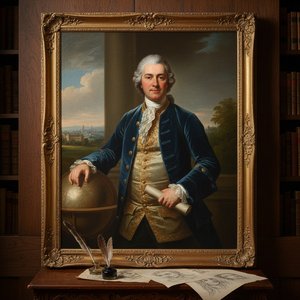
Thomas Hudson: A Study in 18th-Century Portraiture & British Artistic Identity
Explore the life & work of Thomas Hudson, a leading 18th-century British portraitist. Discover his mastery of the 'Grand Manner,' influential style, and lasting impact on British art. Learn about his notable portraits like Judge William Noel & Alexander Van Aken.

