

Acrylic On Canvas.

§ 1Catalogue data

Το έργο αυτό προστατεύεται από πνευματικά δικαιώματα
Το έργο τέχνης που εμφανίζεται σε αυτή τη σελίδα προστατεύεται από τους νόμους περί πνευματικών δικαιωμάτων, γεγονός που σημαίνει ότι δεν μπορούμε νομικά να δημιουργήσουμε ή να πουλήσουμε μια ταυτόσημη αναπαραγωγή του. Αυτή η προστασία επιβάλλεται βάσει διεθνών συμφωνιών, όπως η Σύμβαση της Βέρνης καθώς και από τους εθνικούς νόμους, συμπεριλαμβανομένων αυτών που ορίζονται από το Νομοθεσία περί πνευματικών δικαιωμάτων των ΗΠΑ - Τίτλος 17. Όλα τα δικαιώματα κατοχυρωμένα. Απαγορεύεται η αναπαραγωγή χωρίς άδεια.
Ως μια σεβαστή και νόμιμη εναλλακτική, προσφέρουμε προσαρμοσμένα, χειροποίητα έργα τέχνης εμπνευσμένα από το πρωτότυπο. Οι έμπειροι και επαγγελματίες καλλιτέχνες μας μελετούν προσεκτικά το στυλ, τη διάθεση και την καλλιτεχνική ουσία του πρωτοτύπου, ώστε να δημιουργήσουν ένα νέο, μοναδικό έργο που προκαλεί την ίδια αίσθηση — παραμένοντας όμως μια πρωτότυπη δημιουργία από μόνη της.
Αυτή η μέθοδος συμμορφώνεται πλήρως με τους κανονισμούς περί πνευματικών δικαιωμάτων, καθώς δεν περιλαμβάνει την αντιγραφή ή την αναπαραγωγή του προστατευόμενου έργου. Αντίθετα, πρόκειται για μια δημιουργική ερμηνεία — ένα νέο έργο που επηρεάζεται από το πρωτότυπο, χωρίς όμως να είναι πανομοιότυπο με αυτό.
 Διαβάστε περισσότερα
§ 2Abstract
Περιγραφή Συλλεκτικού Αντικειμένου
Βιογραφικό Καλλιτέχνη
Ανακαλύψτε την εμβληματική ποπ αρτ του Άντι Γουόρχολ (1928-1987) – μεταξοτυπίες της Μάριν Μονρόε και των Κάμπελς Σούπ Κάνς. Εξερευνήστε τη διαρκή επίδρασή του στην τέχνη και τον πολιτισμό.
§ 3Commentary
A Fragment of Cinematic Tension: Warhol’s “Untitled (1532)”
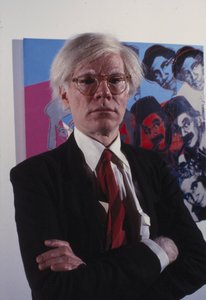
Andy Warhol's "Untitled (1532)" isn’t merely a painting; it’s a distilled moment of unsettling drama captured in silkscreen printmaking—a technique synonymous with Warhol’s groundbreaking exploration of celebrity and mass culture. Executed around 1967, this piece exemplifies the artist’s signature style: bold repetition, vibrant color palettes juxtaposed against stark black and white, and an almost unnerving stillness that belies the palpable tension radiating from its central subject matter. The photograph accompanying this description reveals a meticulously crafted image—a cinematic tableau frozen in time—that speaks volumes about Warhol's fascination with film noir and his desire to dissect the anxieties of American society during the Vietnam War era.- Subject Matter: At first glance, the composition presents two figures positioned before a screen displaying a film scene depicting violence – specifically, a man holding a knife menacingly close to another’s face. The inclusion of additional individuals watching adds to the unsettling atmosphere, suggesting an audience captivated by the unfolding drama.
- Style & Technique: Warhol's masterful use of silkscreen printing is crucial to understanding the artwork’s impact. This method allowed for rapid production and ensured consistent color reproduction across multiple prints—a deliberate choice that underscored Warhol’s belief in the democratization of art and challenged traditional notions of artistic originality.
Historical Context: Echoes of Film Noir and Societal Anxiety
“Untitled (1532)” resides firmly within the context of 1960s American culture, a period marked by profound social upheaval and fueled by anxieties surrounding political conflict and cultural change. Warhol’s artistic sensibilities were deeply influenced by film noir—the genre known for its shadowy visuals, morally ambiguous characters, and exploration of psychological darkness. The painting deliberately borrows stylistic elements from these films, mirroring their preoccupation with themes of violence, paranoia, and the fragility of human relationships. It's a visual commentary on the pervasive fear and uncertainty that gripped the nation during this turbulent time.Symbolism & Emotional Resonance
Beyond its cinematic references, “Untitled (1532)” carries symbolic weight. The screen itself represents mediation—the distance between observer and spectacle—highlighting Warhol’s critique of how media shapes our perceptions of reality. The knife symbolizes aggression and control, while the positioning of the figures underscores the vulnerability inherent in confronting danger. More broadly, the artwork evokes feelings of unease and apprehension, prompting viewers to contemplate questions about power dynamics and the psychological impact of witnessing violence.Interior Design Considerations
For interior designers seeking inspiration, Warhol’s “Untitled (1532)” offers a compelling dialogue between stillness and dynamism. Its bold color contrasts—primarily black and white punctuated by splashes of vibrant hues—can serve as a striking focal point within a space, injecting energy and visual interest. Furthermore, the artwork's exploration of psychological tension aligns with contemporary trends in design that prioritize creating environments conducive to contemplation and emotional resonance. A high-quality reproduction would undoubtedly elevate any interior aesthetic.Ερωτήσεις και Απαντήσεις
Ποια είναι η αισθητή φωτεινότητα του έργου "untitled (1532)" του Άντι Γουόρχολ;
Συνολικά, το "untitled (1532)" καταγράφεται ως bright. Η αισθητή φωτεινότητα περιγράφει το πόσο ανοιχτό ή σκούρο φαίνεται το έργο.
Για τι χρήση συνιστάται μια αναπαραγωγή του έργου "untitled (1532)" του Άντι Γουόρχολ;
Η προτεινόμενη χρήση για το "untitled (1532)" του Άντι Γουόρχολ είναι Accent. Μπορεί επίσης να χρησιμοποιηθεί και για άλλους σκοπούς.
Ποια φάση της καριέρας του Άντι Γουόρχολ αντιπροσωπεύει το "untitled (1532)";
Το έργο "untitled (1532)" ανήκει στην περίοδο Mature Period της καριέρας του Άντι Γουόρχολ. Αυτή η ταξινόμηση συνδέει το έργο με την εξέλιξη του καλλιτέχνη.


 Μετάβαση σε Εκτυπώσεις


 Για έργα τέχνης ή αναπαραγωγές με πλευρά υπερβαίνουσα των 105 εκ. (περίπου 41 ίντσες), το πλαίσιο θα αποσταλεί αποσυναρμολογημένο, σε μορφή κιτ. Η μέθοδος αυτή διασφαλίζει την ασφαλή παράδοση και προλαμβάνει τυχόν ζημιές κατά τη μεταφορά.


