


 Δείτε σε πραγματικό χώρο
 Αποστολή
 Κοινοποίηση
 Λεπτομέρειες

 Λήψη
Λήψη
 Παρόμοια αντικείμενα συλλογής
 Ακτινογραφία
 Παρουσίαση
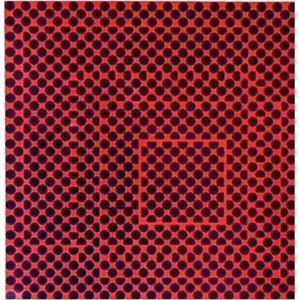
Lattice


 Διαβάστε περισσότερα
Giclée / Εκτυπώσεις Τέχνης
Εκτύπωση giclée ή σε καμβά ποιότητας μουσείου με γρήγορη παραγωγή και ευέλικτες επιλογές φινιρίσματος. ( Αγορά χειροποίητου πίνακα Αγορά ψηφιακής εικόνας)




































Επιλέξτε από τις προκαθορισμένες διαστάσεις μας που διατηρούν τις αρχικές αναλογίες του έργου τέχνης.

Μπορείτε να εισαγάγετε δικές σας διαστάσεις ώστε να ταιριάξουν με ένα συγκεκριμένο πλαίσιο ή χώρο. Εάν το επιλεγμένο μέγεθος δεν συμπίπτει με τις αναλογίες της πρωτότυπης εικόνας, θα κόψουμε το έργο τέχνης ή θα επεκτείνουμε την εικόνα με καθρεφτισμένη ή μονόχρωμη ατέλεια. Θα σας αποσταλεί ένα ψηφιακό mockup για έγκρισή σας πριν από την έναρξη της παραγωγής.
Παρακαλούμε σημειώστε ότι η προεπισκόπηση στην οθόνη δεν αντικατοπτρίζει την πραγματική κοπή ή επέκταση. Μόνο το mockup θα δείξει με ακρίβεια την τελική σύνθεση.
Παρόλο που είναι διαθέσιμες προσαρμοσμένες διαστάσεις, προτείνουμε την επιλογή μιας διάστασης από τη προκαθορισμένη λίστα για τη διατήρηση των αρχικών αναλογιών.
Παγκόσμια Αποστολή () σε 2 εβδομάδες αντί για τις συνήθεις 4/5 εβδομάδες. (22 Αύγουστος)

Δωρεάν γρήγορη διεθνής αποστολή

Κάμβας από Λινό Υψηλής Ποιότητας

Πλήρης ασφάλιση μεταφοράς

Εγγύηση Επιστροφής Δασμών και Φόρων

Εγγύηση Απόλυτης Ομοιότητας Χρωμάτων

Πολιτική Επιστροφής 60 Ημερών (Μόνο σε περίπτωση ελαττωμάτων)

Εγγύηση επιστροφής 100% των χρημάτων

Προσφορά για μαζικές παραγγελίες
 Η επιλογή με γυαλί είναι διαθέσιμη μόνο για μεγέθη κάτω από 110 εκ.

Lattice
Giclée / Εκτυπώσεις Τέχνης
Διαστάσεις Αναπαραγωγής
-


Συνολική Τιμή
$ 64
Σχετικά Έργα Τέχνης



Βιογραφία Καλλιτέχνη
The Radical Dismantling of the Painted Image
In the late 1960s, a seismic shift occurred within the French art scene, led by a group of visionaries determined to strip painting of its traditional illusions and decorative pretenses. At the heart of this movement was Daniel Dezeuze, a pivotal figure and founding member of the influential Supports/Surfaces collective. Alongside peers such as Claude Viallat and Jean-Pierre Pincemin, Dezeuze embarked on a profound interrogation of the medium itself. Rather than treating the canvas as a window into another world, he sought to expose its very bones. This radical project was not merely a stylistic rebellion; it was an intellectual endeavor to dismantle the established framework of art history, liberating the act of creation from the heavy weight of representation and the false security of the frame. By deconstructing the relationship between the support and the surface, Dezeuze challenged viewers to confront the raw materiality of the artistic object.Intellectual Foundations and Global Perspectives
Dezeuze’s approach to visual deconstruction was deeply informed by his rigorous academic pursuits. His journey, which led him to earn a doctorate in comparative literature at the Sorbonne, instilled in him a unique sensitivity to the relationship between language, structure, and form. This intellectual depth, paired with his formative years spent traversing the diverse landscapes of Spain and Mexico, allowed him to approach art through a lens of cultural and structural complexity. His work does not merely exist as an object but functions as a dialogue—a way of reading the space between what is present and what is absent. By integrating influences from both American minimalism and non-Western traditions, he crafted a visual language that is simultaneously austere and deeply layered with meaning, bridging the gap between scholarly inquiry and tactile experimentation.The Poetics of Materiality and Space
As his career progressed, Dezeuze’s work moved toward an even more elemental exploration of form, often stripping away the fabric to reveal the structural skeletons beneath. He began to utilize materials that challenged the very definition of sculpture and painting, frequently employing wooden ladders, metal gauze, and nets to redefine the boundaries of the medium. These objects do not simply occupy space; they actively reshape it, inviting the viewer to contemplate the tension between presence and void. The use of such skeletal structures became emblematic of his aesthetic philosophy—a pursuit of an architecture of lightness and transparency. Through this mastery of texture and geometry, Dezeuze achieved a profound balance of precision and vulnerability, securing his legacy as a master of deconstruction who found beauty in the very elements once hidden by the canvas.
Daniel Dezeuze
1942 - , France
Γρήγορα στοιχεία
- Artistic Movement Or Style: Supports/Surfaces
- Artists Or Movements Influenced By This Artist:
- Minimalism
- Conceptual Art
- Artists Who Influenced This Artist:
- Claude Viallat
- Georges Mathieu
- Date Of Birth: 1942
- Full Name: Daniel Dezeuze
- Nationality: French
- Notable Artworks:
- Lattice
- Armes et Scènes de guerre
- Place Of Birth: Alès, France


