

Cubist · 1952
Abstract Composition (Φερνάν Λεζέ, 1952)
Abstract Composition is a work by Φερνάν Λεζέ (1881–1955). It dates from 1952. It belongs to the Cubist movement. It is made in Oil On Canvas.
- 1952
- Oil On Canvas

 Προεπισκόπηση σε πραγματική κλίμακα

 Εκτύπωση
 Αποστολή
 Κοινοποίηση
 Οδηγός


 Λήψη
 Παρόμοια αντικείμενα συλλογής
 Ακτινογραφία
 Παρουσίαση
 Ερωτήσεις & Απαντήσεις

 Στατιστικά
Abstract Composition: key details
- Title
- Abstract Composition
- Artist
- Φερνάν Λεζέ (1881–1955)
- Artist born in
- Αρζαντάν, Γαλλία
- Date
- 1952
- Medium
- Oil On Canvas
- Movement
- Cubist
- Period
- Modern
- Subject
- abstraction, geometric shapes, color palette, modern art, industrial influence, dynamic composition
About Abstract Composition
A Symphony in Steel and Hue: The Mechanical Pulse of Fernand Léger
In the vast landscape of twentieth-century modernism, few artists captured the rhythmic heartbeat of the industrial age as vibrantly as Fernand Léger. His 1952 masterpiece, Composition, serves as a profound visual manifesto, transcending mere abstraction to become a crystallized embodiment of an era defined by both anxiety and boundless aspiration. Born in the rural landscapes of Normandy, Léger’s artistic journey was a metamorphosis from the organic textures of agricultural life to the sleek, hard-edged precision of the machine. In this particular work, we witness the culmination of his lifelong obsession with form, where the boundaries between the human spirit and the mechanical world begin to blur into a singular, dynamic energy.
The painting unfolds as a complex, orchestrated dance of geometry. At its heart lies a prominent circle, acting as a luminous beacon of order that radiates through an otherwise chaotic arrangement of shapes. This central focal point is surrounded by a sophisticated network of ovoids, smaller spheres, triangles, and rectangles, creating a visual cadence that echoes the repetitive, hypnotic motions of factory pistons and urban transit. The palette is nothing short of electric; bold strikes of primary yellows, deep reds, and vibrant oranges clash and harmonize against cool blues and stark blacks. This deliberate use of color does more than decorate the canvas; it breathes life into the geometric structures, imbuing cold shapes with a sense of warmth and kinetic vitality.
The Essence of Machine Painting and Tactile Mastery
Léger famously pioneered a style he termed “machine painting,” a technique that sought to move beyond the mere depiction of industrial objects to capture their very essence. He was not interested in the literal silhouette of a locomotive or a gear, but rather in the sensory experience of the machine age—the relentless movement, the transformative power, and the structural solidity of progress. To achieve this, Léger employed a masterful approach to texture. By applying thick, deliberate layers of paint, he created a surface that possesses a physical weight, mimicking the ruggedness of forged metal and the industrial grit of a modern cityscape.
For the discerning collector or interior designer, this piece offers an unparalleled opportunity to introduce a sense of structured dynamism into a space. The interplay of light and shadow within the layered pigments provides a depth that changes as the viewer moves around the work, making it a captivating centerpiece for contemporary settings. Whether placed in a minimalist gallery-style room or a sophisticated executive office, Composition commands attention through its balanced tension between chaos and control.
A Timeless Legacy for the Modern Collector
Beyond its aesthetic brilliance, Léger’s work carries a profound historical weight. Created in the post-war period, the painting reflects a world rebuilding itself through technology and structural innovation. It is an invitation to contemplate how much of our modern identity is forged in the intersection of human creativity and mechanical precision. Owning a high-quality reproduction of this work allows one to possess not just a beautiful arrangement of color and shape, but a fragment of the avant-garde spirit that redefined the twentieth century.
For those seeking to curate an environment filled with intellectual depth and visual excitement, this Composition stands as a testament to the enduring power of abstraction. It remains a timeless exploration of how order can emerge from complexity, offering a sophisticated aesthetic that resonates with the pulse of the modern world.
Abstract Composition: image files
Φερνάν Λεζέ, Abstract Composition (1952). Public domain.
A digital expert checks the colors against the original painting and retouches the file, faithful to the artist's brushwork.
Buy the high-resolution imageQuestions about Abstract Composition
Μπορώ να προβιβάσω το "Abstract Composition" σε μορφή διαφάνειας σε πλήρη οθόνη;
Το diaporama του "Abstract Composition" μπορεί να προβληθεί στη σελίδα Παρουσίαση διαφάνειων του έργου.
Πού μπορώ να βρω χειροποίητα αντίγραφα του "Abstract Composition" του Φερνάν Λεζέ;
Οι χειρόγραφες αντιγράφιες του έργου "Abstract Composition" του Φερνάν Λεζέ είναι διαθέσιμες στο αυτή η ιστοσελίδα, μέσω της σελίδας αναπαραγωγή με ζωγραφισμένο με λάδι σε καμβά λινου, από την οποία μπορείτε να πραγματοποιήσετε την παραγγελία σας στην ενότητα Αντιγραφή με Χειρόχειρο Ζωγράφισμα.
Υπάρχουν έργα παρόμοια με το "Abstract Composition";
Η σελίδα Παρόμοια έργα του έργου "Abstract Composition" του Φερνάν Λεζέ παρουσιάζει σχετικά έργα τέχνης.
Πώς περιγράφεται η παλέτα χρωμάτων του "Abstract Composition" του Φερνάν Λεζέ;
Το έργο "Abstract Composition" του Φερνάν Λεζέ χρησιμοποιεί μια χρωματική παλέτα Neutrals, η οποία αποπνέει τον συνολικό χρωματικό χαρακτήρα του έργου.
Πώς εντάσσεται το "Abstract Composition" στα θέματα και το στυλ του/της Φερνάν Λεζέ;
Το "Abstract Composition" ανήκει στο έργο του Φερνάν Λεζέ με την καλλιτεχνική κατεύθυνση Cubist, των οποίων τα αναγνωρίσιμα θέματα περιλαμβάνουν το mechanized forms, bauhaus style, industrial aesthetic, geometric vision, modern expression.
Πόσο δημοφιλές είναι το "Abstract Composition" εντός του Cubist;
Το έργο "Abstract Composition" του Φερνάν Λεζέ ταξινομείται ως Iconic και ανήκει στο καλλιτεχνικό ρεύμα Cubist.
Πώς συνδέει το "Abstract Composition" του Φερνάν Λεζέ το Cubist με τη χώρα καταγωγής του καλλιτέχνη;
Το "Abstract Composition" συνδέει το κίνημα Cubist με την/τον Γαλλία, αντλώντας έμπνευση από τη χώρα γέννησης του δημιουργού του.
Είναι το έργο "Abstract Composition" του Φερνάν Λεζέ φωτεινό ή σκοτεινό;
Η αισθητή φωτεινότητα του έργου "Abstract Composition" του Φερνάν Λεζέ είναι brilliant. Μπορεί να συνδυαστεί με το φως του προορισμένου χώρου.
Από πού προέρχονται οι επισκέπτες του "Abstract Composition" του Φερνάν Λεζέ;
Τα στατιστικά στοιχεία για το "Abstract Composition" του Φερνάν Λεζέ βρίσκονται στη σελίδα Στατιστικά επισκέψεων του έργου: μηνιαίες επισκέψεις του έργου, επισκέψεις των έργων του καλλιτέχνη, καθώς και κατανομή των πρόσφατων επισκεπτών ανά χώρα και γλώσσα.
About Φερνάν Λεζέ
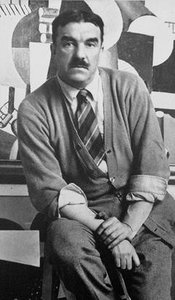
1881–1955, Γαλλία
Φερνάν Λεζέ
The Life of Fernand Léger The story of Fernand Léger begins in the village of Argentan, located in the Orne region of Lower Normandy. He arrived into this world on February 4, 1881, as an only son. His early years were shaped by the quietude of the French countryside and the presence of his mother, Marie-Adèle Daunou. His father, a man who made his living as a cattle dealer, passed away when Fernand was still a young boy, leaving the child to be raised by his mother in a household marked by her piety and a certain self-effacing nature.
Other works by Φερνάν Λεζέ
 Η Πόλη1919
 Ο Μηχανικός1920
 Τρεις Γυναίκες1921
 Νάνοι στην Πορεία1910
Articles on Abstract Composition
 Mastering the Machine Age: The Top 25 Fernand Léger ArtworksImmerse yourself in the vibrant world of Fernand Léger. Explore 25 iconic Cubist masterpieces, from bold Tubism to machine-age aesthetics. …
 Steel & Soul: 10 Powerful Artworks That Capture the Industrial VibeExplore 10 iconic artworks that define the gritty, powerful industrial aesthetic. From urban landscapes to metallic textures, discover the …
 10 Iconic Masterpieces That Defined Geometric AbstractionJourney through the bold shapes and vibrant colors of geometric abstraction. Explore 10 iconic masterpieces from Mondrian to Malevich and f…