

1926. Oil On Canvas. Art Gallery of Hamilton.

§ 1Στοιχεία καταλόγου


Το έργο αυτό προστατεύεται από πνευματικά δικαιώματα
Το έργο τέχνης που εμφανίζεται σε αυτή τη σελίδα προστατεύεται από τους νόμους περί πνευματικών δικαιωμάτων, γεγονός που σημαίνει ότι δεν μπορούμε νομικά να δημιουργήσουμε ή να πουλήσουμε μια ταυτόσημη αναπαραγωγή του. Αυτή η προστασία επιβάλλεται βάσει διεθνών συμφωνιών, όπως η Σύμβαση της Βέρνης καθώς και από τους εθνικούς νόμους, συμπεριλαμβανομένων αυτών που ορίζονται από το Νομοθεσία περί πνευματικών δικαιωμάτων των ΗΠΑ - Τίτλος 17. Όλα τα δικαιώματα κατοχυρωμένα. Απαγορεύεται η αναπαραγωγή χωρίς άδεια.
Ως μια σεβαστή και νόμιμη εναλλακτική, προσφέρουμε προσαρμοσμένα, χειροποίητα έργα τέχνης εμπνευσμένα από το πρωτότυπο. Οι έμπειροι και επαγγελματίες καλλιτέχνες μας μελετούν προσεκτικά το στυλ, τη διάθεση και την καλλιτεχνική ουσία του πρωτοτύπου, ώστε να δημιουργήσουν ένα νέο, μοναδικό έργο που προκαλεί την ίδια αίσθηση — παραμένοντας όμως μια πρωτότυπη δημιουργία από μόνη της.
Αυτή η μέθοδος συμμορφώνεται πλήρως με τους κανονισμούς περί πνευματικών δικαιωμάτων, καθώς δεν περιλαμβάνει την αντιγραφή ή την αναπαραγωγή του προστατευόμενου έργου. Αντίθετα, πρόκειται για μια δημιουργική ερμηνεία — ένα νέο έργο που επηρεάζεται από το πρωτότυπο, χωρίς όμως να είναι πανομοιότυπο με αυτό.
 Διαβάστε περισσότερα
§ 2Αφηρημένο
Περιγραφή Συλλεκτικού Αντικειμένου
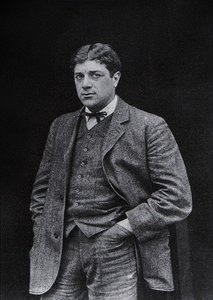
Βιογραφικό Καλλιτέχνη
Ο Γιώργος Μπραγκέ (1882-1963): Πρωτοπόρος του Κυβισμού & του Φαουβισμού. Εξερευνήστε την καινοτόμο τέχνη του, τα έργα όπως το "Σπίτια στην L'Estaque" και τις εντυπωσιακές συλλεκτικές του δημιουργίες.
§ 3Σχολιασμός
Georges Braque’s Nature Morte: A Fragmented Reflection of Modern Consciousness
Georges Braque’s “Nature Morte,” painted in 1926, stands as a cornerstone of Cubist exploration and a testament to the artist's profound engagement with visual perception. More than just a depiction of fruit—grapes, apples, and pears arranged within a simple bowl on a tabletop—the painting embodies the intellectual currents shaping European art at the time, reflecting a deliberate dismantling of traditional artistic conventions in favor of geometric abstraction.
- Subject Matter: The composition centers around a commonplace object – the fruit bowl – yet Braque elevates it to an arena for formal experimentation. He eschews realistic representation, prioritizing instead the conveyance of spatial relationships through interlocking planes and faceted surfaces.
- Style & Technique: Characteristic of Cubism’s Second Phase, “Nature Morte” exemplifies Analytical Cubism. This approach involves fracturing objects into multiple perspectives simultaneously, presenting them as intersecting geometric forms rather than solid masses. Braque meticulously applied oil paint with a glazing technique—thin layers of translucent color—to build up the image gradually, achieving remarkable luminosity and depth despite its apparent simplicity.
- Historical Context: Created during the height of Cubist fervor, “Nature Morte” aligns itself with the broader artistic movement’s rejection of Impressionism's focus on fleeting sensations. Artists like Picasso and Cézanne were actively questioning how we perceive reality, influenced by advancements in scientific theories concerning optics and relativity.
- Symbolism & Emotion: While seemingly devoid of overt narrative, “Nature Morte” carries subtle symbolic weight. The bowl itself represents containment and stillness—a deliberate contrast to the dynamism inherent in Cubist exploration. The fragmented forms convey a sense of disorientation and challenge viewers to reconsider their understanding of visual space.
- Emotional Impact: Despite its intellectual rigor, Braque’s painting possesses an undeniable aesthetic beauty. The harmonious interplay of color—primarily greens—creates a tranquil atmosphere that belies the underlying conceptual framework. It invites contemplation on the nature of perception and the transformative potential of artistic innovation.
As evidenced by Google Arts & Culture (Hamilton, Canada) and the National Gallery of Art (Nature Morte (Still Life) by Georges Braque, Paul Rosenberg), “Nature Morte” continues to resonate with audiences today. Its enduring appeal lies in its masterful distillation of Cubist principles—a bold assertion of artistic freedom and a pioneering contribution to the visual language of modern art.
Consider commissioning a high-quality reproduction from AllPaintingsStore.com for your home or office – bringing this iconic artwork into your space!
Ερωτήσεις και Απαντήσεις
Ποια είναι η τεχνική και η ημερομηνία δημιουργίας του έργου "Nature Morte" του Γεώργιος Μπρακής;
Το έργο "Nature Morte" δημιουργήθηκε το 1926 με την τεχνική του Oil On Canvas. Το υλικό και η ημερομηνία περιγράφουν τον τρόπο και την περίοδο δημιουργίας του πρωτοτύπου.
Μπορώ να δω το έργο "Nature Morte" του Γεώργιος Μπρακής υπό διαφορετικό φωτισμό;
Το "Nature Morte" μπορεί να εξεταστεί στρώμα προς στρώμα στη σελίδα Ακτινογραφική εξέταση του έργου, ένας προβολέας εμπνευσμένος από τον πάγκο φωτισμού ενός συντηρητή, με έντεκα οπτικά διαβάσματα της εικόνας.
Ποιος δημιούργησε το "Nature Morte" και σε τι στυλ ανήκει;
Το έργο "Nature Morte" δημιουργήθηκε από τον/την Γεώργιος Μπρακής με το στυλ του/της Cubist Still Life. Ο καλλιτέχνης και το καλλιτεχνικό κίνημα προσδιορίζουν την παράδοση του έργου.


 Μετάβαση σε Εκτυπώσεις


 Για έργα τέχνης ή αναπαραγωγές με πλευρά υπερβαίνουσα των 105 εκ. (περίπου 41 ίντσες), το πλαίσιο θα αποσταλεί αποσυναρμολογημένο, σε μορφή κιτ. Η μέθοδος αυτή διασφαλίζει την ασφαλή παράδοση και προλαμβάνει τυχόν ζημιές κατά τη μεταφορά.


