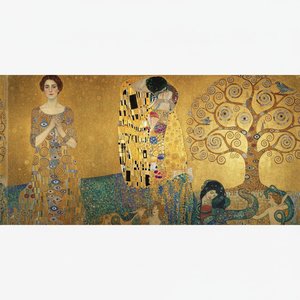
1907. Acrylic On Canvas.

§ 1Στοιχεία καταλόγου


§ 2Αφηρημένο
Περιγραφή Συλλεκτικού Αντικειμένου
 Περισσότερα
Βιογραφικό Καλλιτέχνη
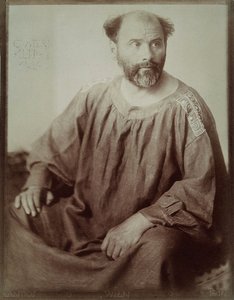
Ο Γκούσταβ Κλίμτ: Ένας πρωτοποριακός Αυστριακός ζωγράφος, ιδρυτής της Βιεννέζικης Σεσέσιόν, γνωστός για την εκθαμβητική «Χρυσή Φάση» και τα ερωτικά του έργα. Μια αναγνώριση της τέχνης του.
§ 3Σχολιασμός
Jurisprudence: A Symphony of Law and Ornament
Gustav Klimt’s “Jurisprudence,” completed in 1907, stands as a monumental testament to the Art Nouveau movement's fascination with opulent decoration and symbolic representation. More than just a painting; it was conceived as part of a grand ceiling mural for Vienna University’s Great Hall—a project tragically lost to fire—making its surviving reproductions even more precious.
- Artist: Gustav Klimt (1862-1918) – An Austrian Symbolist whose work explored themes of sexuality, spirituality, and mythology with unparalleled sensuality.
- Style: Art Nouveau—characterized by flowing lines, organic forms, intricate patterns, and a rejection of academic conventions. Klimt’s distinctive style blended Byzantine influences with decorative motifs inspired by Celtic art.
- Medium: Oil on Canvas – Klimt meticulously applied gold leaf to create shimmering surfaces that captured the ethereal quality of his vision.
The artwork depicts Justice, Law and Truth as intertwined figures battling against turbulent waves—a visual metaphor for the challenges faced in upholding moral principles amidst societal pressures. The central figure embodies Justice herself, adorned with a robe embellished with geometric patterns reminiscent of Byzantine mosaics. Surrounding her are representations of Philosophy and Medicine, symbolizing intellect and healing – elements crucial to fostering a balanced society.
However, “Jurisprudence”’s true brilliance lies in its decorative complexity. Klimt employed a technique known as cloisonné enamel—a method traditionally used for liturgical objects—to create textured surfaces filled with shimmering gold leaf and vibrant pigments. These interwoven lines and patterns aren't merely ornamental; they actively contribute to the painting’s narrative, representing the labyrinthine nature of legal proceedings and the struggle for moral clarity.
A prominent motif is a figure standing upright, clutching a torch aloft—a symbol of enlightenment and illumination battling against the encroaching darkness. Above him floats a tapestry bearing the Latin word “LEX,” emphasizing the importance of law as a guiding force. The overall impression is one of profound contemplation – Klimt invites us to consider not only legal matters but also the ethical dilemmas inherent in navigating life’s complexities.
“Jurisprudence” continues to resonate with audiences today, serving as an enduring emblem of Art Nouveau's ambition to elevate art beyond mere visual pleasure into a vehicle for conveying philosophical and moral truths. Its exquisite craftsmanship and evocative symbolism solidify Klimt’s place among the most influential artists of his era.
Ερωτήσεις και Απαντήσεις
Πώς μπορώ να αποκτήσω ένα ψηφιακό αρχείο του "Jurisprudence" του Γουσταύος Κλίντ;
Για να αποκτήσετε ένα ψηφιακό αρχείο του "Jurisprudence" του Γουσταύος Κλίντ, παραγγάστε το λήψη ψηφιακής εικόνας υψηλής ανάλυσης στη σελίδα Ψηφιακό Αρχείο Εικόνας.
Ποιο είναι το προτεινόμενο μέγεθος εκτύπωσης για το "Jurisprudence" του Γουσταύος Κλίντ;
Για το έργο "Jurisprudence" του Γουσταύος Κλίντ προτείνεται αναπαραγωγή μεγέθους Large. Το μέγεθος μπορεί να προσαρμοστεί διατηρώντας τις αναλογίες.
Υπάρχουν έργα παρόμοια με το "Jurisprudence";
Μπορείτε να δείτε έργα παρόμοια με το "Jurisprudence" στη σελίδα Παρόμοια έργα του έργου.


 Μετάβαση σε Εκτυπώσεις


 Για έργα τέχνης ή αναπαραγωγές με πλευρά υπερβαίνουσα των 105 εκ. (περίπου 41 ίντσες), το πλαίσιο θα αποσταλεί αποσυναρμολογημένο, σε μορφή κιτ. Η μέθοδος αυτή διασφαλίζει την ασφαλή παράδοση και προλαμβάνει τυχόν ζημιές κατά τη μεταφορά.