

.

§ 1Στοιχεία καταλόγου

Το έργο αυτό προστατεύεται από πνευματικά δικαιώματα
Το έργο τέχνης που εμφανίζεται σε αυτή τη σελίδα προστατεύεται από τους νόμους περί πνευματικών δικαιωμάτων, γεγονός που σημαίνει ότι δεν μπορούμε νομικά να δημιουργήσουμε ή να πουλήσουμε μια ταυτόσημη αναπαραγωγή του. Αυτή η προστασία επιβάλλεται βάσει διεθνών συμφωνιών, όπως η Σύμβαση της Βέρνης καθώς και από τους εθνικούς νόμους, συμπεριλαμβανομένων αυτών που ορίζονται από το Νομοθεσία περί πνευματικών δικαιωμάτων των ΗΠΑ - Τίτλος 17. Όλα τα δικαιώματα κατοχυρωμένα. Απαγορεύεται η αναπαραγωγή χωρίς άδεια.
Ως μια σεβαστή και νόμιμη εναλλακτική, προσφέρουμε προσαρμοσμένα, χειροποίητα έργα τέχνης εμπνευσμένα από το πρωτότυπο. Οι έμπειροι και επαγγελματίες καλλιτέχνες μας μελετούν προσεκτικά το στυλ, τη διάθεση και την καλλιτεχνική ουσία του πρωτοτύπου, ώστε να δημιουργήσουν ένα νέο, μοναδικό έργο που προκαλεί την ίδια αίσθηση — παραμένοντας όμως μια πρωτότυπη δημιουργία από μόνη της.
Αυτή η μέθοδος συμμορφώνεται πλήρως με τους κανονισμούς περί πνευματικών δικαιωμάτων, καθώς δεν περιλαμβάνει την αντιγραφή ή την αναπαραγωγή του προστατευόμενου έργου. Αντίθετα, πρόκειται για μια δημιουργική ερμηνεία — ένα νέο έργο που επηρεάζεται από το πρωτότυπο, χωρίς όμως να είναι πανομοιότυπο με αυτό.
 Διαβάστε περισσότερα
§ 2Αφηρημένο
Περιγραφή Συλλεκτικού Αντικειμένου
Experience tenderness and care in Henry Moore's 'Lullaby Sleeping Head.' This evocative drawing captures a peaceful moment between a man and child, showcasing Moore’s signature abstract style. Explore the iconic British sculptor's legacy.
Βιογραφικό Καλλιτέχνη
Ο Henry Moore (1898-1986) ήταν ένας πρωτοποριακός βρετανός γλύπτης, γνωστός για τις αμυδρές, οργανικές σιλουέτες και τα έργα του με θέμα τη μητέρα και το παιδί. Η τέχνη του επηρέασε την σύγχρονη σκέψη.
§ 3Σχολιασμός
A Tender Moment Captured: Henry Moore's "Lullaby Sleeping Head"
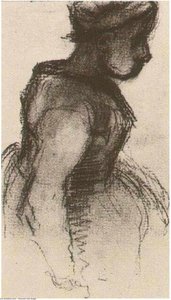
This evocative black and white drawing, “Lullaby Sleeping Head,” offers a poignant glimpse into the intimate bond between a parent and child. Created by the renowned British sculptor Henry Moore, this work transcends mere depiction; it’s an exploration of comfort, protection, and the profound tenderness inherent in nurturing relationships. While primarily known for his monumental sculptures, this drawing reveals another facet of Moore's artistic genius – his ability to distill complex emotions into deceptively simple forms. The image portrays a man gently cradling a sleeping child, their figures intertwined in a posture of serene repose. The man’s robe-like garment envelops both figures, creating a sense of warmth and security. The detail afforded to the man's face—his eyes and mouth—suggests quiet contemplation and unwavering care, while the partially obscured face of the sleeping child amplifies the feeling of vulnerability and trust.Style & Technique: A Sculptor’s Perspective
Moore’s artistic style is immediately recognizable even in this two-dimensional medium. Though he's celebrated for his three-dimensional works, here we see a direct translation of his sculptural principles. The drawing exhibits the hallmarks of Moore’s approach to form – simplification and abstraction. He doesn't strive for photographic realism; instead, he focuses on capturing the essence of the figures through carefully rendered lines and shading. This technique, rooted in direct carving—a method he championed—allows him to convey volume and weight despite the absence of physical depth. The use of black and white enhances the drawing’s emotional intensity, stripping away color distractions and focusing attention on the interplay of light and shadow that defines the forms. It's a testament to Moore’s mastery that he can evoke such powerful emotion with such economical means.Historical Context & Recurring Themes
“Lullaby Sleeping Head” was created during Moore’s prolific career, which spanned from the 1920s until his death in 1986. His work is deeply embedded within the context of Modernism, reacting against traditional representational art while simultaneously exploring universal human themes. Moore frequently depicted the mother-and-child motif throughout his oeuvre, recognizing its symbolic power as a representation of primal connection and enduring love. This drawing aligns with that recurring theme, but offers a unique perspective by portraying the father’s role in nurturing—a shift reflecting evolving societal roles during the mid-20th century. The post-war period saw a renewed emphasis on family and domesticity, and Moore's work often reflected these changing values.Symbolism & Emotional Impact
Beyond its literal depiction, “Lullaby Sleeping Head” resonates with profound symbolic meaning. The act of cradling—the protective embrace—represents security, vulnerability, and unconditional love. The sleeping child symbolizes innocence and trust, while the man embodies strength and guardianship. The absence of a detailed background further emphasizes the intimacy of the moment, drawing the viewer’s attention solely to the relationship between these two figures. The overall emotional impact is one of quiet serenity and profound tenderness—a universal expression of parental love that transcends cultural boundaries. This piece invites contemplation on the enduring power of human connection and the beauty found in simple, everyday moments.Ερωτήσεις και Απαντήσεις
Σε ποιο καλλιτεχνικό ρεύμα ανήκει το "Lullaby Sleeping Head";
Το καλλιτεχνικό ρεύμα που συνδέεται με το "Lullaby Sleeping Head" του Χένρι Μουρ είναι το Modernism. Αυτή η ταξινόμηση τοποθετεί το έργο ανάμεσα σε σχετικούς καλλιτέχνες και έργα τέχνης.
Είναι ο/η Χένρι Μουρ, δημιουργός του/της "Lullaby Sleeping Head", γνωστός/η και με άλλα ονόματα;
Άλλα ονόματα που καταγράφονται για τον/την Χένρι Μουρ, δημιουργό του/της "Lullaby Sleeping Head", περιλαμβάνουν τα Henry Spencer Moore, Henry Lee Moore.
Υπάρχει κάποιο ενημερωτικό φυλλάδιο για το "Lullaby Sleeping Head" του Χένρι Μουρ που να απευθύνεται σε φοιτητές;
Ο οδηγός για το "Lullaby Sleeping Head" είναι η σελίδα Οδηγός του έργου — ένα εκτυπώσιμο ενημερωτικό φυλλάδιο που παρουσιάζει το έργο μαζί με τη λεζάντα, την αναφορά στην πηγή και τον πίνακα ταυτότητας (καλλιτέχνης, ημερομηνίες, τεχνική, αρχικό μέγεθος, συλλογή).




 Μετάβαση σε Εκτυπώσεις


 Για έργα τέχνης ή αναπαραγωγές με πλευρά υπερβαίνουσα των 105 εκ. (περίπου 41 ίντσες), το πλαίσιο θα αποσταλεί αποσυναρμολογημένο, σε μορφή κιτ. Η μέθοδος αυτή διασφαλίζει την ασφαλή παράδοση και προλαμβάνει τυχόν ζημιές κατά τη μεταφορά.




