

1780. Oil On Canvas, 122.0 x 170.0 cm.

§ 1Catalogue data
 Oil On Canvas
- WallArt
- Neoclassicism
 1780
1780 122.0 x 170.0 cm
§ 2Abstract
Περιγραφή Συλλεκτικού Αντικειμένου
Jacques-Louis David's 'Patroclus' captures the essence of Neoclassicism with a powerful depiction of Achilles’ companion. Explore this iconic painting, showcasing muscular form and symbolic elements within a historical masterpiece.
 Περισσότερα
Βιογραφικό Καλλιτέχνη
Ο Jacques-Louis David (1748-1825): Ένας πρωτοποριακός ζωγράφος της Νεοκλασικής εποχής, γνωστός για τα έργα του που απεικονίζουν τη Γαλλική Επανάσταση και τον Ναπολέοντα.
§ 3Commentary
A Glimpse into Ancient Greece: The Majesty of Patroclus
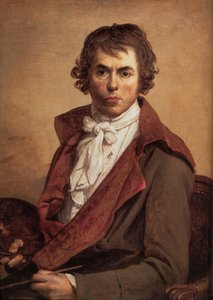
Jacques-Louis David’s 1780 painting, *Patroclus*, is more than a mere depiction of a Greek warrior; it's a meticulously crafted doorway to the ideals and moral complexities of Neoclassicism. Housed within the Musée Thomas Henry in Cherbourg, France, this oil on canvas invites us into a carefully constructed tableau that speaks volumes about honor, duty, and the poignant beauty of mortal existence. The image presents a man, powerfully built yet rendered with an almost serene detachment, turned away from direct view. This strategic pose immediately draws our attention to his physique – sculpted muscles hinting at strength and resilience – while simultaneously fostering a sense of contemplative distance.
David’s genius lies not just in anatomical accuracy but in the masterful orchestration of elements within the composition. The rough-hewn rock beneath him, coupled with the simple wooden bench, provides an earthy grounding to the scene, anchoring it firmly in the physical world. Yet, these humble materials are juxtaposed against the implied grandeur of the figure himself. And then there’s the book resting near his foot – a subtle yet potent symbol of knowledge and wisdom, suggesting that even amidst the trials of war and mortality, contemplation and learning hold enduring value. The lighting, carefully considered to create dramatic shadows and highlights, further emphasizes the musculature and adds depth to the scene, guiding our eye across the canvas.
The Neoclassical Vision: David’s Echoes of Antiquity
Created during a pivotal moment in French history – the waning years of the Ancien Régime and the burgeoning influence of revolutionary ideals – *Patroclus* embodies the core tenets of Neoclassicism. David, deeply influenced by the rediscovery of classical art and literature, sought to revive the aesthetic principles of ancient Greece and Rome. This wasn’t simply a stylistic choice; it was a deliberate attempt to connect with perceived moral virtues and civic responsibility. The painting's emphasis on idealized form, balanced composition, and restrained emotion reflects this commitment to classical ideals.
Unlike the opulent frivolity of the Rococo style that preceded it, Neoclassicism prioritized clarity, order, and a sense of timelessness. David’s meticulous attention to detail – from the texture of the fabric to the subtle nuances of light and shadow – demonstrates his dedication to replicating the precision and gravitas he admired in ancient sculpture and painting. The subject matter itself—a warrior figure embodying strength and stoicism—resonates with classical notions of heroism and self-sacrifice, themes frequently explored by Greek artists like Phidias and Polyclitus.
Symbolism and Emotional Resonance: A Portrait of Stoic Virtue
Beyond its formal qualities, *Patroclus* is rich in symbolic meaning. The figure’s averted gaze suggests a quiet contemplation, perhaps reflecting on the burdens of his role or the inevitability of mortality. His posture conveys a sense of dignified restraint – a warrior accepting his fate with unwavering resolve. The book, often interpreted as representing wisdom and philosophical reflection, hints at the importance of intellect alongside physical prowess. The painting isn’t about glorifying violence; it's about portraying a man who embodies virtue through strength, discipline, and an acceptance of duty.
David masterfully evokes a feeling of melancholy beauty. There is a profound sense of stillness within the scene, inviting the viewer to pause and consider the complexities of human existence. The painting’s enduring appeal lies in its ability to transcend its historical context and speak to universal themes of courage, honor, and the search for meaning – qualities that continue to resonate with audiences today. It's a testament to David's skill as an artist and his profound understanding of the power of visual storytelling.
Ερωτήσεις και Απαντήσεις
Είναι το "Patroclus" διαθέσιμο ως εκτύπωση fine art;
Για να αποκτήσετε ένα εκτύπωμα του "Patroclus" του Ζακ Λουίς Νταβίδ, αρκεί να το παραγγείλετε στη σελίδα Καλλιτεχνικό Έντυπο: ένα εκτύπωμα fine art σε βαμβακερό καμβά ή σε αρχειοθετητικό χαρτί καμβά.
Ποια είναι η διάταξη του έργου "Patroclus" του Ζακ Λουίς Νταβίδ;
Το έργο "Patroclus" του Ζακ Λουίς Νταβίδ είναι μια σύνθεση σε μορφή Landscape. Αξίζει να ελέγξετε τις αναλογίες πριν επιλέξετε το μέγεθος της εκτύπωσης.
Από πού προέρχονται οι επισκέπτες του "Patroclus" του Ζακ Λουίς Νταβίδ;
Τα στατιστικά στοιχεία για το "Patroclus" του Ζακ Λουίς Νταβίδ βρίσκονται στη σελίδα Στατιστικά επισκέψεων του έργου: μηνιαίες επισκέψεις του έργου, επισκέψεις των έργων του καλλιτέχνη, καθώς και κατανομή των πρόσφατων επισκεπτών ανά χώρα και γλώσσα.


 Μετάβαση σε Εκτυπώσεις


 Για έργα τέχνης ή αναπαραγωγές με πλευρά υπερβαίνουσα των 105 εκ. (περίπου 41 ίντσες), το πλαίσιο θα αποσταλεί αποσυναρμολογημένο, σε μορφή κιτ. Η μέθοδος αυτή διασφαλίζει την ασφαλή παράδοση και προλαμβάνει τυχόν ζημιές κατά τη μεταφορά.


