

Acrylic On Canvas.

§ 1Catalogue data

§ 2Abstract
Περιγραφή Συλλεκτικού Αντικειμένου
 Περισσότερα
Βιογραφικό Καλλιτέχνη
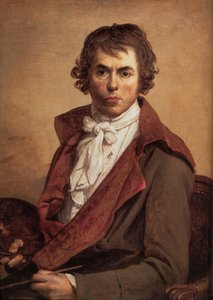
Ο Jacques-Louis David (1748-1825): Ένας πρωτοποριακός ζωγράφος της Νεοκλασικής εποχής, γνωστός για τα έργα του που απεικονίζουν τη Γαλλική Επανάσταση και τον Ναπολέοντα.
§ 3Commentary
A Portrait of Resolve: David’s Vision of Napoleon at the St. Bernard Pass
Jacques-Louis David's “Napoleon at the Great St. Bernard” transcends mere depiction; it embodies a pivotal moment in European history and speaks volumes about the artist’s unwavering commitment to Neoclassical ideals. Painted in 1801, shortly after Napoleon’s triumphant return from Egypt—a victory that solidified his position as Emperor—this monumental canvas captures not just an event but also the spirit of ambition and defiance that characterized David's era. The scene portrays Napoleon Bonaparte astride a magnificent white horse, traversing the treacherous St. Bernard Pass during his daring Alpine expedition to Italy in 1800. He is accompanied by Marshal Ney and General Sebastiani, symbolizing military leadership and strategic prowess.- Style & Technique: David’s masterful command of Neoclassicism is evident in every brushstroke. The composition adheres rigorously to classical principles—symmetry, balance, and idealized form—reflecting the influence of ancient Greek sculpture and Roman portraiture. He employed a meticulous glazing technique, layering thin washes of color over a preparatory underpainting to achieve remarkable luminosity and depth. This painstaking process ensured that the textures of the horse’s coat and Napoleon's uniform were rendered with breathtaking realism.
- Historical Context: The painting is inextricably linked to Napoleon’s ambition to establish himself as a figure worthy of Roman grandeur. David deliberately chose this dramatic landscape—a symbol of hardship and perseverance—to convey Napoleon’s determination to overcome obstacles and achieve his goals. It served as propaganda for the Emperor, demonstrating courage and leadership amidst adversity.
- Emotional Impact: “Napoleon at the Great St. Bernard” evokes a profound sense of grandeur and heroism. David’s portrayal captures not only Napoleon’s physical presence but also his inner conviction—a belief in his own destiny and an unwavering commitment to achieving victory. The painting inspires admiration for leadership, courage, and resilience.
- Interior Design Considerations: Reproductions of this artwork can inject a powerful dose of neoclassical elegance into any interior space. Its monumental scale commands attention, while its rich colors and masterful technique create a visually stimulating experience. Consider framing it in a stately frame to maximize its impact—a testament to artistic achievement and Napoleonic ambition.
Ερωτήσεις και Απαντήσεις
Ποια είναι η αισθητή φωτεινότητα του έργου "St bernard" του Ζακ Λουίς Νταβίδ;
Ως προς την αισθητή φωτεινότητα, το έργο "St bernard" του Ζακ Λουίς Νταβίδ είναι balanced.
Ποια εποχή της καριέρας του/της Ζακ Λουίς Νταβίδ αντιπροσωπεύει το έργο "St bernard";
Το έργο "St bernard" ανήκει στην περίοδο Napoleonic Glory της καριέρας του Ζακ Λουίς Νταβίδ. Αυτή η ταξινόμηση συνδέει το έργο με την εξέλιξη του καλλιτέχνη.
Ποια διάθεση και συναίσθημα συνυπάρχουν στο "St bernard";
Στο "St bernard", μια ατμόσφαιρα Dramatic συνοδεύεται από ένα συναίσθημα Powerful.


 Μετάβαση σε Εκτυπώσεις


 Για έργα τέχνης ή αναπαραγωγές με πλευρά υπερβαίνουσα των 105 εκ. (περίπου 41 ίντσες), το πλαίσιο θα αποσταλεί αποσυναρμολογημένο, σε μορφή κιτ. Η μέθοδος αυτή διασφαλίζει την ασφαλή παράδοση και προλαμβάνει τυχόν ζημιές κατά τη μεταφορά.


