Εγγύηση επιστροφής χρημάτων · 100 ημέρες Δωρεάν Παγκόσμια Αποστολή
449.587έργα τέχνης 30.613καλλιτέχνες 4.660μουσεία 32Γλώσσες
Νόμισμα
    Γλώσσα
      Ατελιέ · Ίδρυση 2015 · Παρίσι, Γαλλία
      AllPaintingsStore
      allpaintingsstore.com
      Catalogue entry

      Triptych Hand-painted oil painting – standard and custom sizes

      1510. Oil On Panel, 73.0 x 56.0 cm. Μουσείο Βάλραφ Ρίχαρτς.

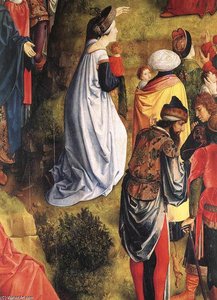
      Fig. 1. Jan De Beer, Triptych, 1510. Shown as the reproduction you are specifying: , .

      § 1Catalogue data

      § 2Abstract

      Περιγραφή Συλλεκτικού Αντικειμένου

      A dramatic Renaissance triptych by Jan De Beer featuring rich oil scenes of solemn religious gatherings and grand Gothic architecture that invites you to explore the exquisite detail of this 1510 masterpiece.

      Βιογραφικό Καλλιτέχνη

      An Antwerp Mannerist master known for his Triptych. Discover the divine beauty of his religious works today.

      § 3Commentary

      A Window into the Devotion of the Northern Renaissance

      In the quiet, hallowed atmosphere of the Wallraf-Richartz-Museum in Cologne, there exists a portal to a bygone era of profound spiritual intensity. Jan De Beer’s Triptych, dating from approximately 1510, is not merely a painting but a sacred architectural experience rendered in oil and oak. As one approaches these three panels, the viewer is immediately enveloped by the dramatic grandeur of the Northern Renaissance. This masterpiece serves as a breathtaking testament to an age where art was the primary vessel for divine communication, blending the meticulous realism of the Netherlandish tradition with a burgeoning sense of theatrical scale.

      The composition unfolds across three distinct panels, each measuring 73 x 56 cm, creating a rhythmic movement that guides the eye through scenes of solemn religious gatherings. De Beer utilizes the unique format of the triptych to orchestrate a narrative flow, where the central focus is anchored by grand Gothic architecture. These soaring arches and intricate stone details do more than provide a setting; they act as a symbolic bridge between the earthly realm of the figures depicted and the celestial heavens above. The artist’s ability to render light filtering through these imagined cathedrals creates a sense of depth that pulls the observer into the very heart of the liturgy.


      Mastery of Light and Netherlandish Detail

      The technical brilliance of Jan De Beer lies in his command over the oil medium, a technique that allowed for the exquisite layering of glazes to achieve unparalleled luminosity. Every inch of this work reveals a devotion to detail that is characteristic of the period's finest practitioners. One can observe the heavy, rich textures of ceremonial garments, the subtle sheen on polished surfaces, and the atmospheric haze that lends a sense of profound stillness to the religious assembly. This meticulous approach ensures that even the smallest element—a fold in a cloak or the shadow cast by a pillar—contributes to the overall emotional weight of the piece.

      For the discerning collector or interior designer, this triptych offers an unparalleled opportunity to introduce a sense of historical gravity and sophisticated elegance into a space. The interplay of light and shadow within the painting provides a dynamic visual interest that evolves with the ambient lighting of a room. Whether placed in a curated gallery setting or as a focal point in a stately library, the work commands attention through its quiet power rather than through mere ornamentation. It is an invitation to contemplate the intersection of human craftsmanship and spiritual aspiration.


      A Timeless Legacy for Modern Interiors

      Beyond its historical significance, the Triptych resonates with a contemporary appreciation for storytelling and structural beauty. The piece embodies a sense of "sacred drama," where the solemnity of the figures evokes a meditative state in the viewer. This emotional resonance makes it an ideal choice for those seeking to decorate spaces intended for reflection, study, or high-end hospitality environments that require a touch of Old World prestige.

      Owning a high-quality reproduction of such a significant work allows one to preserve the legacy of Jan De Beer within a modern context. It brings the rich textures and the somber, beautiful palette of the 16th century into the present day, offering a sophisticated layer of cultural depth. To display this triptych is to celebrate the enduring human desire to capture the sublime through the mastery of paint and wood.

      Ερωτήσεις και Απαντήσεις

      Ποιον καλλιτέχνη αποδίδεται το "Triptych";

      Το έργο "Triptych" δημιουργήθηκε από τον/την Jan De Beer. Οι πληροφορίες σε αυτή τη σελίδα περιγράφουν το πρωτότυπο έργο του/της Jan De Beer.

      Πώς συνδυάζονται η αντίθεση και η αρμονία στο "Triptych";

      Η χρωματική ανάλυση του έργου "Triptych" του Jan De Beer αποτυπώνει μια Statement αντίθεση και μια Strong Color Unity αρμονία.

      Από πού προέρχονται οι επισκέπτες του "Triptych" του Jan De Beer;

      Υπάρχει μια σελίδα Στατιστικά επισκέψεων για το "Triptych", η οποία καταγράφει τις μηνιαίες επισκέψεις του έργου και άλλων δημιουργημάτων του καλλιτέχνη, με ανάλυση ανά χώρα και γλώσσα.

      § 4The artist

      Jan De Beer

      Jan De Beer

      1475 - 1528, Netherlands

      Quick facts about Jan De Beer

      • Artistic Movement Or Style: Antwerp Mannerism
      • Full Name: Jan De Beer
      • Notable Artworks:
        • Madonna and Child with a pilgrim and an angel
        • Triptych
        • Annunciation
      • Place Of Birth: Netherlands
      • Date Of Birth: 1475
      • Date Of Death: 1528

      Βιογραφικό Καλλιτέχνη

      The Master of Antwerp Mannerism

      Jan De Beer stands as a luminous figure from the dawn of the sixteenth century, a period of profound spiritual and artistic transition in the Low Countries. Active primarily in Antwerp, he was a central protagonist in a loose but influential group of painters known as the Antwerp Mannerists. For many years, his individual identity remained shrouded in mystery, as much of his oeuvre was attributed to the Master of the Milan Adoration. It was only through the diligent efforts of art historians in the twentieth century that De Beer was rediscovered and reclaimed from the shadows of anonymity, revealing a painter of immense technical skill and profound religious devotion.

      Born into an artistic lineage as the son of the painter Claes de Beer, Jan’s path was paved with the traditions of his craft. His early training under Gillis van Everen provided him with a foundation in the meticulous Netherlandish style, yet he would go on to transcend mere imitation. By 1504, he had achieved the prestigious status of master within the Antwerp Guild of Saint Luke, eventually rising to the esteemed position of dean. His professional life was deeply intertwined with the vibrant, bustling commerce and religious fervor of Antwerp, where he operated a large and productive workshop that shaped the visual language of the era.

      A Symphony of Devotion and Detail

      The work of Jan De Beer is characterized by a breathtaking marriage of Northern Renaissance realism and a burgeoning sense of theatricality. His compositions often serve as sacred windows, inviting the viewer into moments of divine encounter. In masterpieces such as his Annunciation, one finds a world where the celestial and terrestrial realms breathe in unison. He possessed a singular ability to render the weight of a heavy, ceremonial garment or the delicate, translucent sheen of a wine glass with such precision that the objects seem to possess a life of their own. This mastery of the oil medium allowed him to employ subtle gradations of light and shadow, creating a sense of volume and depth that pulls the observer into the heart of the narrative.

      Beyond mere technical virtuosity, De Beer’s art is steeped in a rich tapestry of symbolism. Whether through the presence of birds hinting at divine grace or the architectural grandeur of Gothic arches acting as bridges to the heavens, every element of his work is imbued with meaning. His triptychs, such as those dating from approximately 1510 and 1515, demonstrate a sophisticated command over narrative flow, using multiple panels to orchestrate complex religious dramas that move between intimate indoor sanctuaries and expansive, sunlit vistas. In these works, the meticulous craftsmanship of the Northern tradition meets an emerging interest in human interaction and architectural scale.

      Legacy and Historical Significance

      Though his name fell into obscurity following the end of the sixteenth century, Jan De Beer’s influence endured through the lasting impact of the Antwerp Mannerist style. He was a contemporary of other great figures like Quentin Matsys and may have even collaborated with landscape innovators such as Joachim Patinir. His ability to maintain fame and respect during his lifetime—as noted by the Italian biographer Lodovico Guicciardini—speaks to the high regard in which he was held by his peers.

      Today, De Beer is recognized not merely as a skilled craftsman, but as an artist who captured the very soul of a period in transition. His rediscovered legacy offers a vital link to the spiritual intensity of the early sixteenth century, reminding us of an age where art served as the primary vessel for divine communication and where every brushstroke was an act of profound faith.

      § 5Comparanda

      § 6Questions

      Σημαντικά στοιχεία

      • Artist: Jan De Beer
      • Artistic style: Renaissance
      • Location: Wallraf-Richartz-Museum, Cologne
      • Dimensions: 73 x 56 cm
      • Title: Triptych

      § 7Cite this entry

      AllPaintingsStore.com, “Jan De Beer, Triptych (1510)”, https://allpaintingsstore.com/el/art/jan-de-beer-triptych-8XZ9X9-en/ (accessed 1 Οκτώβριος 2026).

      § 8The reproduction

      Χειροποίητη Αναπαραγωγή σε Έλαιο

      Χειροποίητη ελαιογραφία σε καμβά στο δικό σας μέγεθος και πλαίσιο, κατά παραγγελία από τους καλλιτέχνες μας. ( Μετάβαση σε Εκτυπώσεις Μετάβαση σε Ψηφιακή Αποτέλεσμα)

      It is specified on the order sheet in the margin; the present state of that sheet reads as follows.

      Triptych

      Μέσο Αναπαραγωγής

      Διαστάσεις Αναπαραγωγής

      -

      Κορυφαίος Καλλιτέχνης

      Περισσότερη λεπτομέρεια, φινέτσα και επιπλέον χρόνος παραγωγής

      -

      Πλαίσιο Αναπαραγωγής

      -

      -

      Για έργα τέχνης ή αναπαραγωγές με πλευρά υπερβαίνουσα των 105 εκ. (περίπου 41 ίντσες), το πλαίσιο θα αποσταλεί αποσυναρμολογημένο, σε μορφή κιτ. Η μέθοδος αυτή διασφαλίζει την ασφαλή παράδοση και προλαμβάνει τυχόν ζημιές κατά τη μεταφορά.

      Απαιτείται επαγγελματικός συναρμολογητής - δεν πρόκειται για προϊόν αυτοσυναρμολογίας (DIY).
      Το κιτ πρέπει να συναρμολογηθεί και ο καμβάς να τεντωθεί από έμπειρο επαγγελματία πλαίσιο (framer), με τη χρήση κόλλας ξύλου (δεν περιλαμβάνεται), πένσας για ένταση καμβά και σφιγκτήρων, ώστε να διατηρηθεί η ορθογωνιότητα των δοκών κατά τη διάρκεια της ξędρανσης. Η λανθασμένη συναρμολόγηση ή η ανισόρροπη ένταση του καμβά μπορεί να προκαλέσει μόνιμη ζημιά στο έργο και δεν καλύπτεται από την εγγύησή μας.

      • Περιλαμβάνονται όλες οι μπάρες από μασίφ ξύλο, κομμένες με ακρίβεια στις διαστάσεις τους.

      • Συναρμολογείται με τις παρεχόμενες βίδες, καθώς και με κόλλα ξύλου για τις γωνιακές ενώσεις, η οποία δεν περιλαμβάνεται και θα πρέπει να προμηθευτεί από τον τεχνίτη σας.

      • Απαιτούνται επαγγελματικά εργαλεία που δεν περιλαμβάνονται: μια πένσα για σφίξιμο καμβά (τενωτήρας) και σφιγκτήρες για τη διατήρηση της ορθογωνιότητας των καρέ κατά τη διάρκεια της απορρόφησης της κόλλας.

      Σημαντικό:
      Οι γωνιακές ενώσεις απαιτούν κόλλα ξύλου, οι σπορ πρέπει να συγκρατούνται με σφιγκτήρες μέχρι να στεγνώσει πλήρως η κόλλα, και για την ένταση του καμβά στο συναρμολογημένο πλαίσιο απαιτείται μια πένσα για ένταση καμβά. Κανένα από αυτά δεν περιλαμβάνεται στο σετ. Παρακαλούμε συμβουλευτείτε έναν έμπειρο επαγγελματία κάδραρχο πριν παραγγείλετε αυτό το μέγεθος.

      Πληροφορίες έργου

      -

      -

      Βερνίκι Προστασίας

      Γυαλιστερό Βερνίκι (ενισχύει τα χρώματα, προστατεύει από το φως και την υγρασία)

      -

      Προσαρμογή του έργου μου

      Παραδείγματα αλλαγών που είναι δυνατές: Αντικατάσταση προσώπου με φωτογραφία του πελάτη· Προσθήκη κατοικίδιου (π.χ., αντικατάσταση γάτας με σκύλο)· Ενσωμάτωση κρυφού μηνύματος στο φόντο· Αλλαγή τοπίου ή στοιχείων στο φόντο.

      -

      Επείγουσα παραγγελία

      Παγκόσμια Αποστολή () σε 3-4 εβδομάδες αντί για τις συνήθεις 5 εβδομάδες. (29 Οκτώβριος). Χωρίς συμβιβασμούς στην ποιότητα.

      -

      Αποστολή Express

      Παγκόσμια Αποστολή () σε 5 εβδομάδες. (5 Νοέμβριος).

      Συμπεριλαμβάνεται

      Τελική Τιμή

      € 227

      Included with every order

      • Δωρεάν γρήγορη διεθνής αποστολή
      • Κάμβας από Λινό Υψηλής Ποιότητας
      • Πλήρης ασφάλιση μεταφοράς
      • Εγγύηση επιστροφής δασμών και φόρων εισαγωγής
      • Εγγύηση Απόλυτης Ομοιότητας Χρωμάτων
      • Πολιτική Επιστροφής 100 Ημερών (Μόνο σε περίπτωση ελαττωμάτων)
      • Εγγύηση επιστροφής 100% των χρημάτων
      • Προσφορά για πολλαπλές παραγγελίες
      Order sheet