


 Δείτε σε πραγματικό χώρο
 Αποστολή
 Κοινοποίηση
 Λεπτομέρειες

 Λήψη
Λήψη
 Παρόμοια αντικείμενα συλλογής
 Ακτινογραφία
 Παρουσίαση
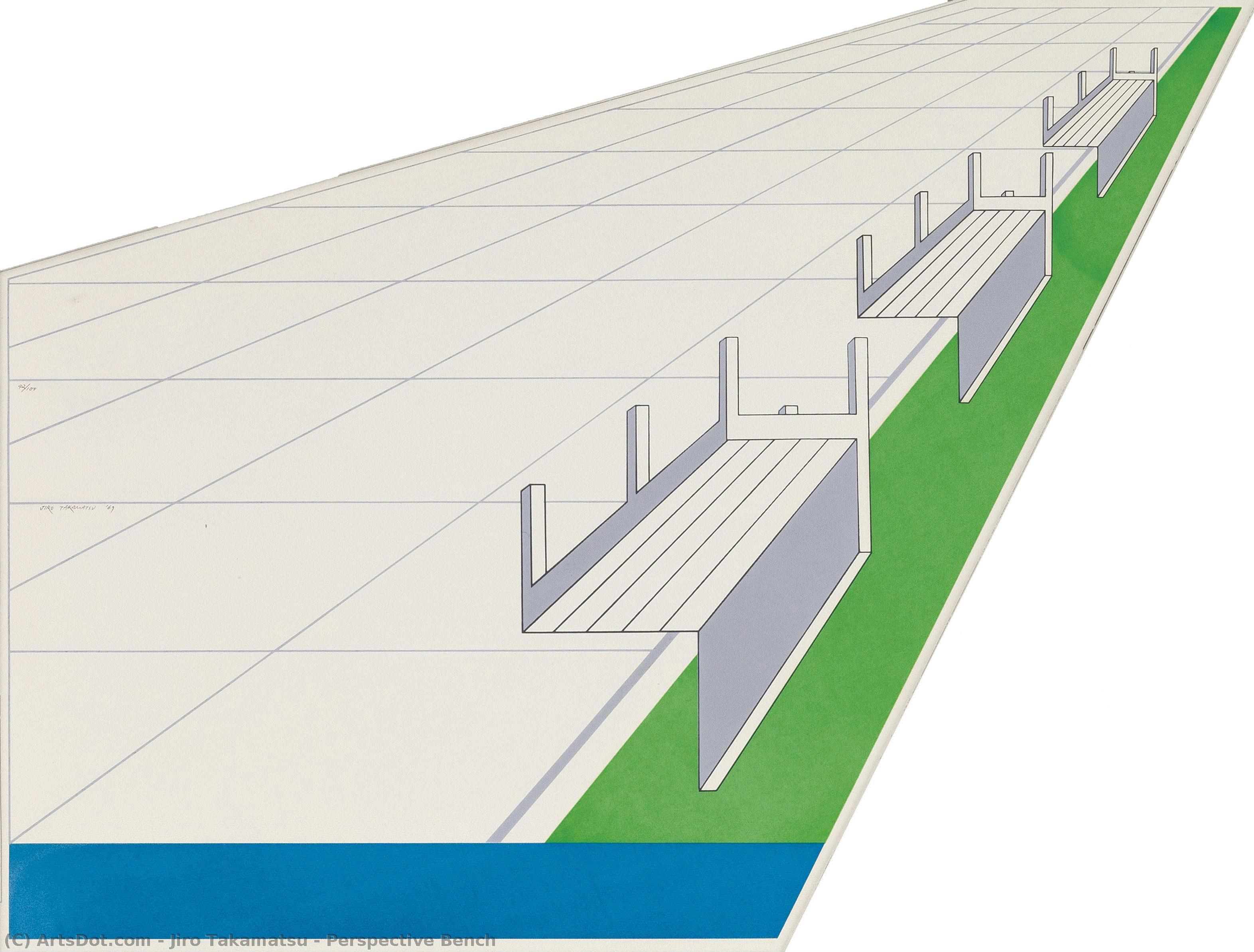
Perspective Bench
 Minimalism
 79.0 x 59.0 cm
 Gyeonggi Museum of Modern Art
 Διαβάστε περισσότερα
Giclée / Εκτυπώσεις Τέχνης
Εκτύπωση giclée ή σε καμβά ποιότητας μουσείου με γρήγορη παραγωγή και ευέλικτες επιλογές φινιρίσματος. ( Αγορά χειροποίητου πίνακα Αγορά ψηφιακής εικόνας)




































Επιλέξτε από τις προκαθορισμένες διαστάσεις μας που διατηρούν τις αρχικές αναλογίες του έργου τέχνης.

Μπορείτε να εισαγάγετε δικές σας διαστάσεις ώστε να ταιριάξουν με ένα συγκεκριμένο πλαίσιο ή χώρο. Εάν το επιλεγμένο μέγεθος δεν συμπίπτει με τις αναλογίες της πρωτότυπης εικόνας, θα κόψουμε το έργο τέχνης ή θα επεκτείνουμε την εικόνα με καθρεφτισμένη ή μονόχρωμη ατέλεια. Θα σας αποσταλεί ένα ψηφιακό mockup για έγκρισή σας πριν από την έναρξη της παραγωγής.
Παρακαλούμε σημειώστε ότι η προεπισκόπηση στην οθόνη δεν αντικατοπτρίζει την πραγματική κοπή ή επέκταση. Μόνο το mockup θα δείξει με ακρίβεια την τελική σύνθεση.
Παρόλο που είναι διαθέσιμες προσαρμοσμένες διαστάσεις, προτείνουμε την επιλογή μιας διάστασης από τη προκαθορισμένη λίστα για τη διατήρηση των αρχικών αναλογιών.
Παγκόσμια Αποστολή () σε 2 εβδομάδες αντί για τις συνήθεις 4/5 εβδομάδες. (20 Αύγουστος)

Δωρεάν γρήγορη διεθνής αποστολή

Κάμβας από Λινό Υψηλής Ποιότητας

Πλήρης ασφάλιση μεταφοράς

Εγγύηση Επιστροφής Δασμών και Φόρων

Εγγύηση Απόλυτης Ομοιότητας Χρωμάτων

Πολιτική Επιστροφής 60 Ημερών (Μόνο σε περίπτωση ελαττωμάτων)

Εγγύηση επιστροφής 100% των χρημάτων

Προσφορά για μαζικές παραγγελίες
 Η επιλογή με γυαλί είναι διαθέσιμη μόνο για μεγέθη κάτω από 110 εκ.

Perspective Bench
Giclée / Εκτυπώσεις Τέχνης
Διαστάσεις Αναπαραγωγής
-


Συνολική Τιμή
$ 64
Σχετικά Έργα Τέχνης


![Abstract Composition [triptych] — Vaclav Vytlacil, Abstract Expressionism](/media/artworks/images/thumbnails/e5/3d/e53db42ea02644b9a8e722f9d4dd3742.jpg)

Βιογραφία Καλλιτέχνη
The Architecture of Absence
To encounter the work of Jiro Takamatsu is to enter a profound dialogue with the unseen. He was an artist who did not merely sculpt form, but rather sculpted the very air around it, capturing the ephemeral weight of shadows and the haunting silence of the void. Born in Tokyo in 1936, Takamatsu emerged as a pivotal figure in the postwar Japanese avant-garde, a master of the liminal space where light meets darkness. His practice was never about the mere accumulation of matter; instead, it was an investigation into the poetics of absence, a relentless pursuit to find the essence of reality within the smallest, most fundamental geometric components.His early explorations were deeply rooted in the rigorous study of Western modernism, particularly the structural legacies of Cézanne. This intellectual foundation, cultivated at the Tokyo University of Fine Arts and Music, provided him with the tools to dissect form and volume. Yet, Takamatsu’s vision quickly transcended traditional painting. He sought to challenge the very mechanics of human cognition, using materials to create illusions that force the viewer to question their own perception. Through his hands, a simple line or a geometric shape became a gateway to understanding the Zero Dimension—a concept where an object is reduced to its most basic constituent elements, representing both the ultimate division and the profound emptiness of existence.
From Gutai Energy to Hi Red Center Interventions
The trajectory of Takamatsu’s career was marked by a radical departure from institutional boundaries. In his formative years, his association with the Gutai Art Association signaled a decisive break from conventional art practices. Alongside contemporaries like Natsuyuki Nakanishi, he embraced an ethos of direct engagement with materials and the rejection of traditional exhibition spaces. This period of intense experimentation laid the groundwork for his later, more conceptual endeavors, where the boundaries between art and life began to dissolve entirely.In 1963, Takamatsu co-founded the legendary collective Hi Red Center with Genpei Akasegawa and Natsuyuki Nakanishi. This group became synonymous with audacious public interventions that disrupted the established hierarchies of the art world. Their actions were designed to provoke, to challenge the assumptions of the urban dweller, and to transform the mundane streets of Tokyo into a stage for conceptual performance. By bringing art out of the gallery and into the chaotic rhythm of the city, Takamatsu helped redefine the role of the artist as an agent of social and perceptual disruption.
The Mastery of Perspective and Shadow
Perhaps the most captivating aspect of Takamatsu’s legacy lies in his ability to manipulate perspective and distortion. He utilized photography, sculpture, and drawing to create works that act as optical puzzles. One might consider the following hallmarks of his technical brilliance:- Shadow Sculpture: The use of light to project three-dimensional forms onto surfaces, making the intangible shadow appear as a physical presence.
- The Perspective Bench: A striking geometric abstraction that uses precise lines and muted tones to manipulate the viewer's sense of depth and architectural space.
- Morphological Devices: The application of tautology and appropriation to investigate how we recognize and interpret objects in our environment.

jiro takamatsu
1936 - 1998 , Japan
Γρήγορα στοιχεία
- Artistic Movement Or Style: Postwar Japanese Art; Conceptual Art; Mono-Ha
- Artists Or Movements Influenced By This Artist: ['Conceptual Art']
- Artists Who Influenced This Artist:
- Paul Cézanne
- Sesshū Tōyō
- Date Of Birth: February 20, 1936
- Date Of Death: June 25, 1998
- Full Name: Jiro Takamatsu
- Nationality: Japanese
- Notable Artworks:
- Perspective Bench
- Young Woman Jumping From The Kiyomizu Temple Balcony With An Umbrella As A Parachute
- Place Of Birth: Tokyo, Japan
Σχετικά άρθρα

Contemporary Abstract Art: A Professional Buyer's Guide to Large-Scale Modern Decor for Hospitality and Corporate Interiors
A professional procurement guide for hotel designers and architects. Discover how to integrate large-scale contemporary abstract art into hospitality projects through high-volume, custom-sized oil reproductions, multi-panel layouts, and reliable global logistics.

Neo-Abstract Art Trend Forecast: High-Impact Geometric Compositions for Contemporary Commercial Interiors
Elevate commercial interiors with Neo-Abstract art. Discover how high-impact geometric compositions and custom oil reproductions provide scalable, sophisticated design solutions for hotels, restaurants, and corporate spaces. Expert procurement for large-scale hospitality projects.


