


 Προεπισκόπηση
 Αποστολή
 Κοινοποίηση
 Λεπτομέρειες
 Οδηγός

 Λήψη
Λήψη
 Παρόμοια αντικείμενα συλλογής
 Ακτινογραφία
 Παρουσίαση
 Στατιστικά
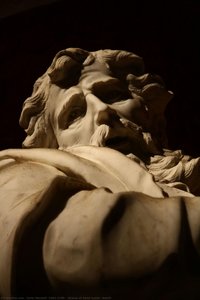
The Sacrifice of Issac, Abraham


 Περισσότερα λεπτομέρεια
Χειροποίητη Αναπαραγωγή σε Έλαιο
Χειροποίητη ελαιογραφία σε καμβά στο δικό σας μέγεθος και πλαίσιο, κατά παραγγελία από τους καλλιτέχνες μας. ( Μετάβαση σε Εκτυπώσεις Μετάβαση σε Ψηφιακή Εικόνα)




































Επιλέξτε από τις προκαθορισμένες διαστάσεις μας που διατηρούν τις αρχικές αναλογίες του έργου τέχνης.

Μπορείτε να ορίσετε δικές σας διαστάσεις ώστε το έργο να ταιριάζει σε ένα συγκεκριμένο πλαίσιο ή χώρο. Εάν το επιλεγμένο μέγεθος δεν συμπίπτει με τις αναλογίες της αρχικής εικόνας, θα περικοψούμε το έργο ή θα επεκτείνουμε τη ζωγραφιά με πρόσθετα χειρόγραφα στοιχεία. Ένα ψηφιακό προσχέδιο θα σας αποσταλεί για έγκριση πριν την έναρξη της παραγωγής.
Παρακαλούμε σημειώστε ότι η προεπισκόπηση στην οθόνη δεν αντικατοπτρίζει την πραγματική περικοπή ή επέκταση. Μόνο το προσχέδιο θα δείξει με ακρίβεια την τελική σύνθεση.
Παρόλο που είναι διαθέσιμα προσαρμοσμένα μεγέθη, συνιστούμε να επιλέξετε μια διάσταση από τη λίστα των προκαθορισμένων μεγεθών για τη διατήρηση των αρχικών αναλογιών.
Μετά την παραγγελία, η ομάδα του AllPaintingsStore.com θα στείλει email στον πελάτη με οδηγίες και θα παρέχει μια προεπισκόπηση προσχεδίου
Παγκόσμια Αποστολή () σε 3-4 εβδομάδες αντί για τις συνήθεις 5 εβδομάδες. (21 Σεπτέμβριος). Χωρίς συμβιβασμούς στην ποιότητα.

Δωρεάν γρήγορη διεθνής αποστολή

Κάμβας από Λινό Υψηλής Ποιότητας

Πλήρης ασφάλιση μεταφοράς

Εγγύηση επιστροφής δασμών και φόρων εισαγωγής

Εγγύηση Απόλυτης Ομοιότητας Χρωμάτων

Πολιτική Επιστροφής 100 Ημερών (Μόνο σε περίπτωση ελαττωμάτων)

Εγγύηση επιστροφής 100% των χρημάτων

Έκπτωση για πολλαπλές παραγγελίες
 Η επιλογή με γυαλί είναι διαθέσιμη μόνο για μεγέθη κάτω από 110 εκ.

The Sacrifice of Issac, Abraham
Τεχνική Αναπαραγωγής
Διαστάσεις Αναπαραγωγής
-


Συνολικό Κόστος
$ 258
Παρόμοια Έργα Τέχνης




Βιογραφικό Καλλιτέχνη
The Sculptor of Eastern Galicia’s Baroque Splendor
Johann Georg Pinsel, a name that resonates with the dramatic intensity of the 18th century, stands as a pivotal figure in the artistic landscape of Eastern Galicia. Born around 1715 in Buzău, within the historical region of Galicia—now part of Ukraine—Pinsel’s life and work embody the swirling energy of the Baroque-Rococo transition. Though biographical details regarding his early years remain shrouded in the mists of time, his presence in the art historical canon was powerfully resurrected in 1923 by the scholar Jan Bołoz Antoniewicz. This rediscovery allowed the world to witness a master whose hands breathed life into stone and wood, creating works that capture both divine grace and raw, human emotion.
The essence of Pinsel’s artistry lies in its profound ability to marry the theatricality of the Baroque with the delicate, ornamental flourishes of the Rococo. His style is characterized by an extraordinary sense of movement and a mastery of intricate detail that commands the viewer's attention. Whether working in marble or wood, Pinsel possessed a unique talent for capturing poignant expressions and dynamic compositions. This is perhaps most evident in his religious works, where he utilized dramatic realism to evoke deep spiritual devotion, making the sacred figures feel tangibly present within their architectural settings.
Patronage and the Flourishing of a Master
The trajectory of Pinsel’s career was inextricably linked to the patronage of the Polish aristocracy, most notably Mikołaj Bazyli Potocki. As a wealthy and influential figure, Potocki provided the essential resources and ambitious commissions that allowed Pinsel to flourish in the town of Buchach. Under this generous stewardship, Pinsel embarked on monumental projects that would define the cultural heritage of the region. His work for the Potocki family was not merely decorative but served as a profound expression of religious iconography and familial prestige.
Among his most significant achievements are the sculptural elements that continue to haunt and inspire art lovers today. His ability to manipulate medium and form is showcased in several key works:
- St. Elizabeth, head: A breathtaking example of Baroque-Rococo sculpture, where the focus on a singular, expressive element demonstrates his mastery of realism and emotional depth.
- Samson Tearing the Lion: A 1760 masterpiece that exemplifies the power and drama of his style, utilizing mythological themes to showcase muscular tension and dynamic movement.
- Putto: Created around 1755, this sculpture of an angel highlights his ability to execute classical, delicate forms with a lightness of touch that is characteristic of the Rococo influence.
- St. John of Nepomuk and the Virgin Mary: These religious depictions from approximately 1750 represent his unwavering devotion to sacred themes, blending technical precision with spiritual intensity.
A Lasting Legacy in Stone and Spirit
Though Pinsel’s life was relatively short, ending in 1761, the impact of his creative output remains indelible. His work serves as a vital link to the complex cultural tapestry of the Polish-Lithuanian Commonwealth, bridging the gap between German artistic influences and the local traditions of Galicia. By infusing religious subjects with such visceral energy, he helped create a unique regional identity that persists in the churches and monuments of Ukraine and Poland.
Today, Pinsel is celebrated not just as a skilled craftsman, but as a visionary who could transform cold material into a narrative of faith, myth, and human struggle. His sculptures remain essential touchstones for understanding the evolution of Baroque art in Eastern Europe, standing as enduring monuments to a period of unparalleled artistic splendor.

johann georg pinsel
1715 - 1761 , Galicia
Στοιχεία καλλιτέχνη
- Artistic Movement Or Style: Baroque-Rococo
- Date Of Birth: 1715
- Date Of Death: 1761
- Full Name: Johann Georg Pinsel
- Nationality: German
- Notable Artworks:
- Samson Tearing the Lion
- Putto
- St Elizabeth, head
- Place Of Birth: Buzău, Galicia

