


 Δείτε σε πραγματικό χώρο
 Αποστολή
 Κοινοποίηση
 Λεπτομέρειες

 Λήψη
Λήψη
 Παρόμοια αντικείμενα συλλογής
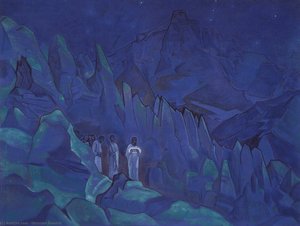
 Ακτινογραφία
 Παρουσίαση
Entre intimes
 Διαβάστε περισσότερα
Giclée / Εκτυπώσεις Τέχνης
Εκτύπωση giclée ή σε καμβά ποιότητας μουσείου με γρήγορη παραγωγή και ευέλικτες επιλογές φινιρίσματος. ( Αγορά χειροποίητου πίνακα Αγορά ψηφιακής εικόνας)




































Επιλέξτε από τις προκαθορισμένες διαστάσεις μας που διατηρούν τις αρχικές αναλογίες του έργου τέχνης.

Μπορείτε να εισαγάγετε δικές σας διαστάσεις ώστε να ταιριάξουν με ένα συγκεκριμένο πλαίσιο ή χώρο. Εάν το επιλεγμένο μέγεθος δεν συμπίπτει με τις αναλογίες της πρωτότυπης εικόνας, θα κόψουμε το έργο τέχνης ή θα επεκτείνουμε την εικόνα με καθρεφτισμένη ή μονόχρωμη ατέλεια. Θα σας αποσταλεί ένα ψηφιακό mockup για έγκρισή σας πριν από την έναρξη της παραγωγής.
Παρακαλούμε σημειώστε ότι η προεπισκόπηση στην οθόνη δεν αντικατοπτρίζει την πραγματική κοπή ή επέκταση. Μόνο το mockup θα δείξει με ακρίβεια την τελική σύνθεση.
Παρόλο που είναι διαθέσιμες προσαρμοσμένες διαστάσεις, προτείνουμε την επιλογή μιας διάστασης από τη προκαθορισμένη λίστα για τη διατήρηση των αρχικών αναλογιών.
Παγκόσμια Αποστολή () σε 2 εβδομάδες αντί για τις συνήθεις 4/5 εβδομάδες. (19 Αύγουστος)

Δωρεάν γρήγορη διεθνής αποστολή

Κάμβας από Λινό Υψηλής Ποιότητας

Πλήρης ασφάλιση μεταφοράς

Εγγύηση Επιστροφής Δασμών και Φόρων

Εγγύηση Απόλυτης Ομοιότητας Χρωμάτων

Πολιτική Επιστροφής 60 Ημερών (Μόνο σε περίπτωση ελαττωμάτων)

Εγγύηση επιστροφής 100% των χρημάτων

Προσφορά για μαζικές παραγγελίες
 Η επιλογή με γυαλί είναι διαθέσιμη μόνο για μεγέθη κάτω από 110 εκ.

Entre intimes
Giclée / Εκτυπώσεις Τέχνης
Διαστάσεις Αναπαραγωγής
-


Συνολική Τιμή
$ 64
Σχετικά Έργα Τέχνης




Βιογραφία Καλλιτέχνη
Leo Herrmann: The Cardinal's Comic Critique
Leo Herrmann (July 2, 1853 – December 1927) stands as a singular figure in late nineteenth-century French art—a painter who achieved renown not for grand landscapes or heroic portraits but for meticulously crafted depictions of cardinals engaging in absurd scenarios. This distinctive style, characterized by meticulous realism blended with subtle irony and theatrical staging, cemented Herrmann’s place within the avant-garde movement while simultaneously reflecting a broader cultural preoccupation with religious satire. ### Early Life and Artistic Training Born in Paris, Herrmann's formative years were marked by an upbringing steeped in intellectual curiosity and artistic ambition. His father, a professor of law, instilled in him a rigorous academic discipline that complemented his innate talent for visual representation. Recognizing this potential, Herrmann enrolled at the École des Beaux-Arts, where he honed his skills under the tutelage of Ernest Meissonier—a master of historical painting known for his unflinching realism and dramatic compositions. This influential mentorship profoundly shaped Herrmann’s artistic sensibilities, prioritizing meticulous observation and skillful execution above all else. ### The Salon Years and Developing Style Herrmann's debut at the Paris Salon in 1875 signaled the commencement of his professional career. Initially experimenting with genre scenes—particularly depictions of dandies and soldiers—he swiftly transitioned to a more ambitious undertaking: exploring the realm of religious iconography through a subversive lens. Herrmann’s breakthrough came with *A Bout d'Argument* (1875), an arresting portrayal capturing a moment of intense confrontation, establishing his signature approach – blending meticulous detail with theatrical flair. This early work foreshadowed his later fascination with cardinals and their peculiar activities, demonstrating a penchant for challenging conventional artistic conventions. ### Cardinal Compositions: Humor and Critique Herrmann’s most celebrated oeuvre revolves around series of paintings featuring cardinals performing commonplace tasks in ludicrous circumstances—feeding swans, painting frescoes, drinking wine through straws. These images are not merely amusing; they constitute a deliberate critique of papal authority and ecclesiastical pomp. Herrmann achieved this effect by employing techniques reminiscent of Renaissance art – utilizing chiaroscuro to heighten dramatic tension and creating meticulously rendered backgrounds that amplify the absurdity of the depicted actions. The resulting artworks resonate with a profound understanding of human psychology, capturing both vulnerability and grandeur simultaneously. ### Legacy and Influence Leo Herrmann’s artistic legacy extends beyond his individual paintings; he profoundly impacted the trajectory of French art in the decades following his death. His pioneering approach to religious satire—combining realism with theatrical exaggeration—inspired subsequent artists to question established norms and explore unconventional subjects. Herrmann's work continues to fascinate scholars and collectors alike, serving as a testament to the enduring power of artistic innovation and intellectual provocation. He remains an artist whose singular vision distinguishes him from his contemporaries and secures his place within the annals of art history.
leo herrmann
1853 - 1927
Γρήγορα στοιχεία
- Artistic Movement Or Style: Anti-clerical Art
- Artists Or Movements Influenced By This Artist: Renaissance Art Style
- Artists Who Influenced This Artist: Ernest Meissonier
- Date Of Birth: July 2, 1853
- Date Of Death: 1927
- Full Name: Leo Herrmann
- Nationality: French
- Notable Artworks:
- A Bout d'Argument
- La Bonne Histoire
- Le Scandale du Jour
- Au Rendez-Vous
- Le Goûter
- Au Cabare
- The Cordon Bleu
- Suzette's Slipper
- L'incroyable
- Place Of Birth: Paris, France


