


 Προεπισκόπηση σε πραγματική κλίμακα

 Αποστολή
 Κοινοποίηση
 Λεπτομέρειες
 Οδηγός


 Λήψη
 Παρόμοια αντικείμενα συλλογής
 Ακτινογραφία
 Παρουσίαση
 Ερωτήσεις & Απαντήσεις
 Στατιστικά
Memory

 Περισσότερα
Λάβετε ένα αρχείο έτοιμο για εκτύπωση, με ποιότητα πολύ ανώτερη από την προεπισκόπηση στον ιστότοπο. Κάθε ψηφιακή εικόνα που διαθέτουμε προέρχεται από ένα αρχείο υψηλής ανάλυσης στη βάση δεδομένων μας —συνήθως με πλάτος 5.000 έως 15.000 pixel— ώστε να μπορείτε να εκτυπώσετε σε μεγάλο μέγεθος, να κάνετε στενές κοψιμές ή να αναπαράγετε τις λεπτομέρειες με απόλυτη εμπιστοσύνη.
Κανένα αρχείο δεν φεύγει από το στούντιο μας χωρίς να υποστεί επεξεργασία. Ένας ειδικός ψηφιακών εικόνων ελέγχει τα χρώματα σε σύγκριση με το πρωτότυπο έργο και τα διορθώνει αν χρειαστεί, στη συνέχεια βελτιώνει την καθαρότητα και τις λεπτομέρειες με επαγγελματικά εργαλεία αφαίρεσης ατέλειων — παραμένοντας πάντα πιστός στις πινελιές και το ύφος του καλλιτέχνη. Το αποτέλεσμα είναι μια εικόνα που μοιάζει με το ίδιο το αριστούργημα και όχι με ένα σκανάρισμα με φίλτρα.
Εγκρίνετε πριν την ολοκλήρωση: ο ειδικός μας σας στέλνει την εικόνα μέσω e-mail εντός 72 ωρών για επανεξέταση. Δεν είστε ικανοποιημένοι; Ζητήστε βελτιώσεις ή διορθώσεις, ή ζητήστε επιστροφή χρημάτων εάν η ποιότητα δεν ανταποκρίνεται στις προσδοκίες σας.
Αυτή είναι η ποιότητα στην οποία εμπιστεύονται οι εκδότες, τα design studios, οι γκαλερί και τα εκτυπωτήρια.
Ψηφιακή εικόνα
Κατεβάστε ένα αρχείο υψηλής ανάλυσης για προσωπική χρήση, εκτύπωση και δημιουργικά έργα. ( Μετάβαση σε Εκτυπώσεις Αγορά χειροποίητου πίνακα)
Περιλαμβάνεται σε κάθε παραγγελία ψηφιακής εικόνας
Επαγγελματική Ψηφιακή Παράδοση με Εγγύηση
Όταν επιλέγετε το AllPaintingsStore.com, δεν αποκτάτε απλώς μια εικόνα – λαμβάνετε ένα επαγγελματικά αναβαθμισμένο ψηφιακό έργο τέχνης, δημιουργημένο με ακρίβεια και με εγγύηση ικανοποίησης. Δείτε όλα όσα περιλαμβάνονται στην παραγγελία σας, αυτόματα:

Άμεση αποστολή μέσω email
Το ψηφιακό σας αρχείο εικόνας υψηλής ανάλυσης θα σας σταλεί μέσω email εντός 72 ωρών από την παραγγελία σας — έτοιμο για άμεση χρήση.

Ψηφιακό Αρχείο με Τεχνητή Νοημοσύνη
Το έργο σας βελτιστοποιείται επαγγελματικά με τη χρήση προηγμένων εργαλείων Τεχνητής Νοημοσύνης και χειροκίνητης επεξεργασίας, εξασφαλίζοντας μέγιστη λεπτομέρεια, ευκρίνεια και ακρίβεια χρωμάτων.

Δωρεάν επανεκδόσεις مدى ζωής
Απώλησες ή διαγράψατε κατά λάθος το αρχείο σας; Μην ανησυχείτε — θα σας το ξαναστείλομε οποιαδήποτε στιγμή, δωρεάν.

Χωρίς Τελωνειακούς Φόρους - Ποτέ
Απολαύστε αμέσως τα έργα τέχνης σας χωρίς δασμούς, φόρους ή έξοδα αποστολής - οι ψηφιακές λήψεις είναι πάντα αφορεশিপτεία.

Εγγύηση Ακριβούς Χρωματισμού
Εξασφαλίζουμε ότι η ψηφιακή σας εικόνα αποτυπώνει τα αυθεντικά χρώματα όσο το δυνατόν πιστότερα, χρησιμοποιώντας επαγγελματικά εργαλεία και διαχείριση χρωμάτων.

Εγγύηση Ικανοποίησης 100 Ημερών
Εάν δεν είστε ικανοποιημένοι με την ψηφιακή σας εικόνα, θα την τροποποιήσουμε ή θα σας επιστρέψουμε το 100% εντός 100 ημερών — χωρίς κανένα ερώτημα.

100% Εγγύηση Επιστροφής Χρήματος
Δεν είστε ικανοποιημένοι; Λάβετε πλήρη επιστροφή των χρημάτων σας εντός 100 ημερών από τη λήψη του ψηφιακού σας αρχείου — χωρίς κανένα ερώτημα.

Εκπτώσεις σε μεγάλες παραγγελίες
Αγοράστε 3 εικόνες, κάντε εξοικονόμηση 10% - Αγοράστε 5, κάντε εξοικονόμηση 15% - Αγοράστε 10+, κάντε εξοικονόμηση 20%. Ιδανικό για δημιουργικά έργα, γκαλερί και agencies.
Mark Rothko’s “Memory”: A Descent into Color and Emotion
Mark Rothko's "Memory," painted in 1946, isn’t merely a depiction of a scene; it’s an immersion. This monumental abstract expressionist canvas, currently residing within the National Gallery of Art’s collection, invites viewers to confront the complexities of remembrance and the elusive nature of experience itself. Rothko, born Markus Yakovlevich Rothkowitz in Dvinsk, Latvia, carried with him from his early life a profound sense of displacement – a legacy shaped by the turbulent atmosphere of the Pale of Settlement and the subsequent immigration to Portland, Oregon. This inherent sensitivity to human suffering would become a defining characteristic of his work, informing his exploration of existential themes through color and form.
The painting’s foundation is deceptively simple: a vast field of crimson dominates the composition, punctuated by layered rectangles of muted blues and browns. However, this apparent simplicity belies an intricate web of emotional resonance. Rothko wasn't interested in literal representation; instead, he sought to evoke pure feeling through color fields. He described his process as “making blocks of color,” aiming to create a meditative space where the viewer could lose themselves within the painting’s depths. The red, often associated with passion, energy, and even violence – perhaps echoing the anxieties of his early life – acts as an anchor, grounding the composition while simultaneously radiating outward.
The Language of Color: Rothko's Technique
Rothko’s technique was revolutionary for its time. He applied paint in incredibly thin layers, often just a few coats, creating a luminous surface that seemed to glow from within. This layering process, known as “velvet,” resulted in an almost tactile quality – the viewer can practically feel the texture of the paint. The colors themselves are not blended; rather, they sit adjacent to one another, allowing them to bleed subtly into each other, creating a sense of atmospheric depth and movement. He meticulously controlled the edges of his rectangles, often leaving them slightly undefined, contributing to the painting’s ethereal quality. This deliberate lack of sharp boundaries encourages the eye to wander and explore, mirroring the way memories themselves can shift and morph over time.
Symbolism and the Evocation of Memory
While Rothko vehemently resisted any attempt to interpret his paintings literally, “Memory” undeniably speaks to the act of remembering. The layered rectangles can be seen as representing fragments of recollections – shards of experience that coalesce into a larger, more complex whole. The blues suggest melancholy and introspection, while the browns evoke a sense of grounding and stability. The central figure, often described as resembling a woman or an angel, isn’t explicitly defined but rather serves as a focal point for contemplation—a vessel through which the viewer can project their own memories and emotions. It's not about recalling a specific event, but about accessing the *feeling* of remembrance – that bittersweet blend of joy and sorrow that accompanies our recollections.
A Legacy of Emotional Resonance
“Memory” stands as a powerful testament to Rothko’s ability to translate profound emotional experiences into visual form. It's a painting that demands patience, contemplation, and an openness to feeling. Its enduring appeal lies in its capacity to resonate with each viewer on a deeply personal level, prompting us to reflect on our own memories and the complex tapestry of human experience. Today, high-quality reproductions of this iconic work offer art lovers the opportunity to bring Rothko’s evocative vision into their homes, creating spaces that are both visually stunning and emotionally resonant. Consider a hand-painted reproduction – a faithful recreation of Rothko's masterful use of color and texture, allowing you to experience the painting's profound impact in your own environment.
Ερωτήσεις και Απαντήσεις
Πόσο φως φαίνεται να αντανακλούν τα χρώματα του "Memory";
Το έργο "Memory" του Μάρκος Ρόθκο έχει φωτεινότητα Bright Balance. Η φωτεινότητα περιγράφει το πόσο φως φαίνεται να αντανακλούν τα χρώματα.
Ποιος είναι ο δημιουργός του "Memory" και σε ποιο καλλιτεχνικό ρεύμα ανήκει;
Ο/Η Μάρκος Ρόθκο δημιούργησε το "Memory" στο πλαίσιο του movements Abstract Expressionism.
Πού μπορώ να βρω χειροποίητα αντίγραφα του "Memory" του Μάρκος Ρόθκο;
Οι χειρόγραφες αντιγράφιες του έργου "Memory" του Μάρκος Ρόθκο είναι διαθέσιμες στο αυτή η ιστοσελίδα, μέσω της σελίδας αναπαραγωγή με ζωγραφισμένο με λάδι σε καμβά λινου, από την οποία μπορείτε να πραγματοποιήσετε την παραγγελία σας στην ενότητα Αντιγραφή με Χειρόχειρο Ζωγράφισμα.
Σχετικά Έργα Τέχνης


Βιογραφικό Καλλιτέχνη
The Early Life of Mark Rothko
Mark Rothko was born Markus Yakovlevich Rothkowitz in 1903. He was born in Dvinsk, Russia, in a place now known as Daugavpils, Latvia. His family lived within the Pale of Settlement, a region marked by political unrest and the constant shadow of pogroms. This atmosphere of instability followed the family when they emigrated to the United States in 1913. After passing through Ellis Island, they settled in Portland, Oregon.
His father, Jacob, worked as a pharmacist. He was an intellectual man with socialist leanings who fostered a home centered on learning and debate. This environment of deep thought was interrupted by a sudden loss. Shortly after the family arrived in America, Jacob died from colon cancer. This early experience of grief and the struggle of the immigrant experience became a quiet foundation for the man he would become.
Artistic Training and Early Years in New York
The move to New York City in 1923 brought a shift in focus. After time spent at Yale University, the pull of the city led him away from formal academics. He sought out the Art Students League to refine his practice. During these early years, his brush was occupied with the tangible. He painted portraits and urban scenes, applying a careful attention to detail to the faces of people and the grit of city streets. The work was grounded in realism, capturing the physical world before the shift toward abstraction took hold.
By 1940, he made the decision to change his name to Mark Rothko. This was a period of transition, moving away from the structured representation of his youth. The focus began to drift from the recognizable objects of the city toward something less defined. He was searching for a way to express the weight of human experience without relying on the literal shapes of the world around him.
Evolution Toward Abstract Expressionism
As the 1940s progressed, the careful realism of his earlier years began to recede. The focus shifted away from the recognizable details of urban scenes and portraits. Instead, he turned toward the language of Surrealism and mythology. He used these themes to find a way to express the weight of human emotion. The paintings from this period often featured biomorphic shapes. These forms seemed to float, caught in a state of being neither fully figures nor entirely abstract.
This period marked his association with the American abstract expressionism movement. He moved away from the structured world of objects to explore something more internal. The canvases became less about what a thing looked like and more about the feeling it carried. He was searching for a way to communicate the complexities of the human condition through shape and myth.
- Mother and Child (1934)
- The Pugilist
- The High Priest (1945)
The Development of Color Field Painting
By the late 1940s, the work began to change. He moved away from the shapes of figures and the stories of mythology, stripping away recognizable imagery to find something more direct. The canvases grew in scale, occupied by large, rectangular blocks of color that seemed to hover. These forms did not sit on the surface but appeared to exist within a shallow, breathing space. This shift marked the beginning of his mature period, a time closely linked to the emergence of Color Field painting.
The application of paint was a slow, layered process. He used thin washes of pigment to build up the surface, creating subtle shifts in tone and texture. These layers allowed light to appear as if it were coming from within the canvas itself. The edges of the colored shapes were never sharp; instead, they were blurred and soft, making the boundaries between different hues feel permeable. This method turned the canvas into a place of quiet, heavy presence.
- No. 1
- Three
- No. 3/No. 13
- No. 10 (Brown Black Sienna on Dark Wine)
- Magenta, Black, Green on Orange
- White over Red
Technique and the Language of Color
The work relies on a specific, quiet method of layering. He applied thin washes of oil paint, building up the surface through meticulous, translucent layers. This process creates a velvety texture that seems to hold light within the pigment rather than just reflecting it from the surface. Instead of sharp lines, the edges of his rectangular forms are blurred, allowing colors to bleed and hover against one another. These large blocks of color are meant to create a sense of depth, making the canvas appear to breathe.
He stripped away titles that might suggest a specific subject or narrative. Many canvases carry only simple numbers, such as No. 1 or No. 6, leaving the viewer to face the color without any preconceived ideas. This choice forces a direct encounter with the paint. He used these luminous fields to reach for specific, heavy human emotions: tragedy, ecstasy, and despair. The scale of the works is intended to envelop the person standing before them, turning the act of looking into a silent, immersive experience.
Major Commissions and Mural Projects
Rothko’s work often moved beyond the individual canvas to occupy entire rooms. He spent significant time on the Seagram murals, a series of paintings intended for a New York restaurant. He eventually decided the setting was not right for the work and donated them to the Tate Gallery in London. His interest in how color occupies a space also led to the Harvard Mural series, which was created for a dining room at the Holyoke Center.
In Houston, Texas, he left behind fourteen paintings for the Rothko Chapel. This non-denominational space contains works in varying shades of black. The paintings are arranged to sit within the architecture of the chapel, creating a specific environment for quiet reflection. The scale of these works is meant to meet the viewer where they stand, filling the peripheral vision with color.
Later Years and Tragic Death
The weight of his own work often seemed to press heavily upon him. Throughout his life, Rothko struggled with depression, a persistent shadow that accompanied his search for emotional truth. He lived a modest existence, often retreating into the quiet spaces required for his large-scale canvases. The intensity of his focus on the human condition—tragedy, ecstasy, and despair—was not merely a subject for the brush, but a reality he carried within himself.
By the end of his life, the struggle became too much to bear. On February 25, 1970, Rothko died by suicide in his studio. He was 66 years old. His death left behind a vast collection of works, including many that remained unfinished or were part of the large estate of paintings that his family and executors would later navigate through complex legal disputes.
The Lasting Legacy of His Art
The weight of his presence remains in the way his canvases occupy a room. He left behind an estate containing 798 paintings, a vast collection that continues to anchor modern art history. His shift toward large, luminous rectangles of color helped define the Abstract Expressionism movement and later influenced the Minimalist movement. These works do not rely on recognizable shapes to hold a viewer's attention; instead, they rely on the slow, rhythmic breathing of color to create a sense of depth.
His influence is felt in the way subsequent generations approached the canvas as a space for psychological and spiritual exploration. By stripping away narrative clutter, he changed how people interact with the physical reality of paint. His paintings are recognized as some of the most significant works of 20th-century art, often found in the permanent collections of major institutions like the Museum of Modern Art in New York and the Tate Modern in London. The scale of his work often swallows the peripheral vision, forcing a quiet, meditative stillness.
- No. 6 (Violet, Green and Red)
- Orange, Red, Yellow (1961)
- N.10 (1958)
Where to See His Works Today
To stand before his canvases is to experience the weight of color in a quiet room. In New York, the Museum of Modern Art holds several of his works. Across the Atlantic, the Tate Modern in London offers a similar space to sit with his large-scale forms. In Washington, D.C., the National Gallery of Art keeps a collection of his paintings, where the light hits the layered pigments in a way that reveals the depth he sought through thin washes of oil.
There is a specific stillness found in the Rothko Chapel in Houston, Texas. It is a non-denominational space containing fourteen of his paintings in varying shades of black. The architecture of the building, an octagon inscribed in a Greek cross, was influenced by the artist himself. It remains a place for quiet reflection, where the scale of the works is meant to envelop the person standing before them.
In Daugavpils, Latvia, the Rothko Museum is housed within the historic artillery arsenal building of the Daugavpils fortress. This institution is the only place in Europe that permanently displays original paintings on loan from his estate. Visitors can find his work in the Rothko Room, a space designed to hold these specific canvases in a setting that honors his origins.
- No. 1 (undated)
- Three (undated)
- No. 3/No. 13 (undated)
- No. 10 (undated)
- Magenta, Black, Green on Orange (undated)
- White over Red (undated)
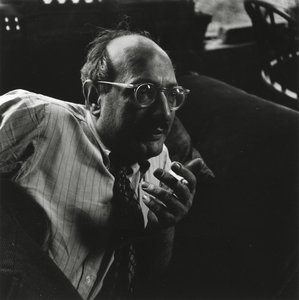
Μάρκος Ρόθκο
1903 - 1970 , Λετονία
Σύντομη Βιογραφία
- Artistic Movement Or Style: Χρωματική Προσκυνησία
- Artists Or Movements Influenced By This Artist:
- Μινιμαλισμός
- Αντιεκφραστική Τέχνη
- Date Of Birth: Σεπτεμβρίου 25, 1903
- Date Of Death: Φεβρουαρίου 25, 1970
- Full Name: Mark Rothko
- Nationality: Αμερικανός
- Notable Artworks:
- Νο. 10 (1950)
- Μουράλια Σέγαμ
- Καθεδρικός Ναός Ρόθκο
- Place Of Birth: Νέα Υόρκη, ΗΠΑ