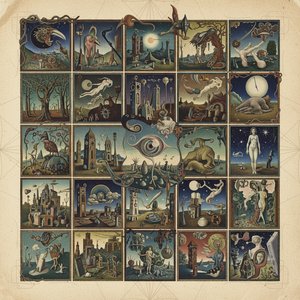
1913. , 80.0 x 67.0 cm.

§ 1Catalogue data

- 80.0 x 67.0 cm


Το έργο αυτό προστατεύεται από πνευματικά δικαιώματα
Το έργο τέχνης που εμφανίζεται σε αυτή τη σελίδα προστατεύεται από τους νόμους περί πνευματικών δικαιωμάτων, γεγονός που σημαίνει ότι δεν μπορούμε νομικά να δημιουργήσουμε ή να πουλήσουμε μια ταυτόσημη αναπαραγωγή του. Αυτή η προστασία επιβάλλεται βάσει διεθνών συμφωνιών, όπως η Σύμβαση της Βέρνης καθώς και από τους εθνικούς νόμους, συμπεριλαμβανομένων αυτών που ορίζονται από το Νομοθεσία περί πνευματικών δικαιωμάτων των ΗΠΑ - Τίτλος 17. Όλα τα δικαιώματα κατοχυρωμένα. Απαγορεύεται η αναπαραγωγή χωρίς άδεια.
Ως μια σεβαστή και νόμιμη εναλλακτική, προσφέρουμε προσαρμοσμένα, χειροποίητα έργα τέχνης εμπνευσμένα από το πρωτότυπο. Οι έμπειροι και επαγγελματίες καλλιτέχνες μας μελετούν προσεκτικά το στυλ, τη διάθεση και την καλλιτεχνική ουσία του πρωτοτύπου, ώστε να δημιουργήσουν ένα νέο, μοναδικό έργο που προκαλεί την ίδια αίσθηση — παραμένοντας όμως μια πρωτότυπη δημιουργία από μόνη της.
Αυτή η μέθοδος συμμορφώνεται πλήρως με τους κανονισμούς περί πνευματικών δικαιωμάτων, καθώς δεν περιλαμβάνει την αντιγραφή ή την αναπαραγωγή του προστατευόμενου έργου. Αντίθετα, πρόκειται για μια δημιουργική ερμηνεία — ένα νέο έργο που επηρεάζεται από το πρωτότυπο, χωρίς όμως να είναι πανομοιότυπο με αυτό.
 Διαβάστε περισσότερα
§ 2Abstract
Περιγραφή Συλλεκτικού Αντικειμένου
Max Ernst’s haunting ‘Crucifixion,’ painted in 1913, embodies surrealist drama with its stark depiction of Jesus on the cross against a monumental castle backdrop—a powerful testament to Ernst's intellectual exploration and artistic vision. Explore this iconic masterpiece and bring it into your home.
Βιογραφικό Καλλιτέχνη
Ο Μάξιμος Έρστ (1891-1976): Πρωτοπόρος του Δαδισμού & σουρεαλισμού, γνωστός για τις καινοτόμες τεχνικές του (frottage, collage) & τα ονειρικά έργα με πουλιά & τοπωνείες. #MaxErnst #Σουρεαλισμός
§ 3Commentary
A Dramatic Encounter Between Faith and Fortress Walls
“Crucifixion,” painted by Max Ernst in 1913, isn’t merely a depiction of Jesus Christ on the cross; it's an arresting meditation on suffering, spirituality, and the confrontation between humanity and divine judgment. This monumental canvas—measuring 80 x 67 cm—immediately draws the eye with its stark composition and unsettling grandeur.
- Subject Matter: The central figure is Jesus Christ crucified, positioned prominently against a formidable castle-like structure. This architectural element isn’t simply decorative; it symbolizes authority, resilience, and perhaps even imprisonment – mirroring the spiritual struggle at the heart of the artwork.
- Style: Ernst's style aligns firmly within the burgeoning Surrealist movement. Rejecting rationalism and embracing dreamlike imagery, he employs techniques that prioritize subconscious exploration over literal representation. The painting eschews traditional perspective, favoring flattened planes and distorted forms to heighten emotional impact.
- Technique: Ernst utilized oil paint on canvas, applying a textured surface that contributes to the artwork’s palpable atmosphere. His brushstrokes are deliberate and expressive, conveying both meticulous observation and imaginative distortion. The artist skillfully blends colors—primarily muted browns and ochres—to create a palette that evokes feelings of solemnity and melancholy.
Historical Context: Seeds of Surrealism Bloom Amidst War Fears
Painted in the turbulent years leading up to World War I, “Crucifixion” reflects the anxieties and disillusionments prevalent within European intellectual circles at the time. Ernst’s fascination with psychoanalysis—particularly Sigmund Freud’s theories on dreams and unconscious desires—fueled his artistic impulse. Surrealism sought to liberate art from the constraints of reason, tapping into primal instincts and exploring the realm of irrationality as a pathway to truth.
- Symbolism: The castle backdrop serves as a potent symbol of oppression and confinement, representing not only earthly power but also spiritual limitations. Jesus’s outstretched arms symbolize humility and acceptance of suffering—a cornerstone of Christian theology. The angel figure, positioned high above the scene, embodies divine compassion and offers solace amidst despair.
- Emotional Impact: “Cruifixion” succeeds in conveying a profound sense of pathos. Ernst's masterful use of color and texture creates an immersive experience for the viewer, prompting contemplation on themes of mortality, faith, and redemption. The painting’s unsettling stillness amplifies its emotional resonance, inviting viewers to confront uncomfortable truths about human existence.
A Reproduction That Captures Essence
AllPaintingsStore.com offers exceptional reproductions of “Cruifixion,” meticulously crafted to faithfully reproduce Ernst's original vision. Utilizing archival-quality pigments and printing processes, our reproductions ensure vibrant color accuracy and enduring beauty—allowing art lovers everywhere to experience the power of this iconic masterpiece.
Ερωτήσεις και Απαντήσεις
Ποιο είναι το κυρίαρχο χρώμα του "Crucifixion" του Μάξιμος Έρστς;
Το χρώμα που ξεχωρίζει περισσότερο στο "Crucifixion" είναι το Phthalo Green (#2b2d3a). Το κυρίαρχο χρώμα είναι χρήσιμο όταν συνδυάζετε ένα έργο τέχνης με έναν εσωτερικό χώρο.
Από ποια χώρα προέρχεται το έργο του Surrealist Expression "Crucifixion";
Το έργο του ή της Surrealist Expression "Crucifixion" δημιουργήθηκε από καλλιτέχνη που γεννήθηκε στην/στο Γερμανία.
Πώς περιγράφεται η παλέτα χρωμάτων του "Crucifixion" του Μάξιμος Έρστς;
Τα χρώματα του "Crucifixion" συνθέτουν μια παλέτα Earthy. Αυτή η ταξινόμηση περιγράφει τις κυρίαρχες οικογένειες χρωμάτων.


 Μετάβαση σε Εκτυπώσεις


 Για έργα τέχνης ή αναπαραγωγές με πλευρά υπερβαίνουσα των 105 εκ. (περίπου 41 ίντσες), το πλαίσιο θα αποσταλεί αποσυναρμολογημένο, σε μορφή κιτ. Η μέθοδος αυτή διασφαλίζει την ασφαλή παράδοση και προλαμβάνει τυχόν ζημιές κατά τη μεταφορά.