

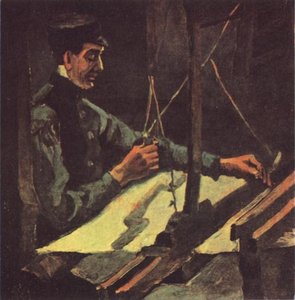
1882. Oil On Canvas. Στάδελ Μουσείο.

§ 1Catalogue data


§ 2Abstract
Περιγραφή Συλλεκτικού Αντικειμένου
Experience Max Liebermann's 'The Weaver'! This captivating 1882 oil painting showcases daily life & craftsmanship, reflecting Impressionism’s beauty. Own a piece of art history – reproductions available now!
 Περισσότερα
Βιογραφικό Καλλιτέχνη
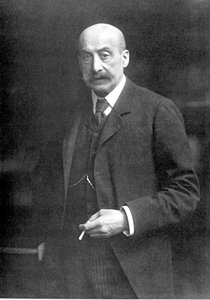
Μπρεχάμενος ζωγράφος της γερμανικής ιμπρέσιονιστικής σχολής, ο Μάξιμ Λίμπερμαν απεικονίζει την καθημερινότητα και τη γοητεία του Wannsee με φωτεινά χρώματα και ελεύθερες πινελιές.
§ 3Commentary
A Portrait of a Working Life
Max Liebermann’s “The Weaver” isn't merely a depiction of a woman at her loom; it’s a carefully constructed tableau that invites us into the heart of late 19th-century German craft. Painted in 1882, this oil-on-canvas work resides within the Stadelsches Kunstinstitut in Frankfurt, Germany, and immediately draws the viewer in with its warm palette and intimate setting. Liebermann, a master of capturing everyday life with an Impressionistic sensibility, skillfully avoids romanticizing the scene. Instead, he presents a realistic portrayal of a woman diligently engaged in her trade – a weaver working within the modest confines of her home. The composition is deliberately balanced, featuring the central figure bathed in soft light, surrounded by familiar domestic objects: a chair, a table laden with bottles and bowls, and glimpses of other individuals contributing to the household’s activity.
(Image source: Artvee)
Impressionism Meets Craftsmanship
Liebermann’s approach to “The Weaver” is a fascinating blend of Impressionistic techniques and a deep appreciation for the tangible world. He employs broken brushstrokes, layering colors to create a sense of light and atmosphere – a hallmark of the Impressionist movement. However, unlike many of his contemporaries who focused on capturing fleeting moments in nature, Liebermann grounds his work in the realities of daily life. The meticulous detail with which he renders the loom, the threads, and the textures of the fabrics speaks to his respect for the craft itself. This isn’t a painting about beauty; it's about honest labor and the quiet dignity of skilled artisans. The warm tones – ochres, browns, and muted yellows – evoke a sense of comfort and familiarity, suggesting the coziness of the weaver’s domestic space.
A Window into Social Dynamics
Beyond its aesthetic qualities, “The Weaver” offers a poignant glimpse into the social dynamics of the time. The scene unfolds within a humble dwelling, reflecting the lives of working-class families who relied on skilled crafts for their livelihood. Liebermann subtly portrays the interconnectedness of these individuals – the man weaving, the other figures assisting with various tasks. This isn’t a portrait of isolation; it's a depiction of community and shared labor. The painting serves as a reminder of the importance of artisans in society, highlighting their contribution to the economic and cultural fabric of the era. It subtly raises questions about social class and the value placed on manual labor – themes that resonate even today.
Color, Light, and Symbolism
Liebermann’s masterful use of color is central to the painting's impact. The warm hues create a sense of intimacy and tranquility, drawing the viewer into the scene. Notice how he uses light to illuminate the weaver’s hands as they move across the loom – a gesture that emphasizes her skill and dedication. The arrangement of objects within the room also carries symbolic weight. The bottles and bowls suggest sustenance and domesticity, while the loom itself represents both labor and creativity. “The Weaver” is more than just a representation of a craft; it’s a carefully considered meditation on work, community, and the beauty found in everyday life.
Ερωτήσεις και Απαντήσεις
Είναι διαθέσιμη προεπισκόπηση σε augmented reality για το έργο "The Weaver";
Η σελίδα Προεπισκόπηση σε AR για το έργο "The Weaver" του Μάξιμ Λίμπερμαν χρησιμοποιεί την τεχνολογία augmented reality για να σας δείξει το έργο στον δικό σας χώρο, μέσω μιας συμβατής συσκευής.
Ποιον καλλιτέχνη αποδίδεται το "The Weaver";
Το έργο "The Weaver" δημιουργήθηκε από τον/την Μάξιμ Λίμπερμαν. Οι πληροφορίες σε αυτή τη σελίδα περιγράφουν το πρωτότυπο έργο του/της Μάξιμ Λίμπερμαν.
Πώς συνδυάζονται η αντίθεση και η αρμονία στο "The Weaver";
Στο "The Weaver", μια Statement αντίθεση συνδυάζεται με μια Softly Mixed Palette αρμονία.




 Μετάβαση σε Εκτυπώσεις


 Για έργα τέχνης ή αναπαραγωγές με πλευρά υπερβαίνουσα των 105 εκ. (περίπου 41 ίντσες), το πλαίσιο θα αποσταλεί αποσυναρμολογημένο, σε μορφή κιτ. Η μέθοδος αυτή διασφαλίζει την ασφαλή παράδοση και προλαμβάνει τυχόν ζημιές κατά τη μεταφορά.


