Εγγύηση επιστροφής χρημάτων · 100 ημέρες Δωρεάν Παγκόσμια Αποστολή
449.582έργα τέχνης 30.618καλλιτέχνες 4.705μουσεία 32Γλώσσες
Νόμισμα
    Γλώσσα
      Ατελιέ · Ίδρυση 2015 · Παρίσι, Γαλλία
      AllPaintingsStore
      allpaintingsstore.com
      Προεπισκόπηση Προεπισκόπηση σε AR Μετάβαση σε Εκτυπώσεις Μετάβαση σε Ψηφιακή Εικόνα Αποστολή
      Λεπτομέρειες Οδηγός Προσθήκη στα αγαπημένα Λήψη Παρόμοια αντικείμενα συλλογής Ακτινογραφία Παρουσίαση Στατιστικά

      Binodini

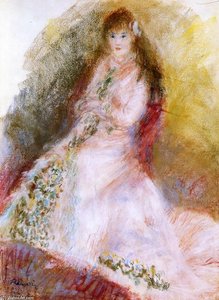
      Experience the captivating inner conflict of Binodini, a striking portrait by Ramkinkar Baij (1949), whose textured oil work invites you to discover its depth.

      Ramkinkar Baij (1906-1980) was a pioneering Indian sculptor & painter, considered the father of modern Indian sculpture. Known for contextual modernism and blending Western & Indian styles in works like 'Santal Family'. Explore his legacy at AllPaintingsStore

      Το έργο τέχνης που εμφανίζεται σε αυτή τη σελίδα προστατεύεται από τους νόμους περί πνευματικών δικαιωμάτων, γεγονός που σημαίνει ότι δεν μπορούμε νομικά να δημιουργήσουμε ή να πουλήσουμε μια ταυτόσημη αναπαραγωγή του. Αυτή η προστασία επιβάλλεται βάσει διεθνών συμφωνιών, όπως η Σύμβαση της Βέρνης καθώς και από τους εθνικούς νόμους, συμπεριλαμβανομένων αυτών που ορίζονται από το Νομοθεσία περί πνευματικών δικαιωμάτων των ΗΠΑ - Τίτλος 17. Όλα τα δικαιώματα κατοχυρωμένα. Απαγορεύεται η αναπαραγωγή χωρίς άδεια.

      Ως μια σεβαστή και νόμιμη εναλλακτική, προσφέρουμε προσαρμοσμένα, χειροποίητα έργα τέχνης εμπνευσμένα από το πρωτότυπο. Οι έμπειροι και επαγγελματίες καλλιτέχνες μας μελετούν προσεκτικά το στυλ, τη διάθεση και την καλλιτεχνική ουσία του πρωτοτύπου, ώστε να δημιουργήσουν ένα νέο, μοναδικό έργο που προκαλεί την ίδια αίσθηση — παραμένοντας όμως μια πρωτότυπη δημιουργία από μόνη της.

      Αυτή η μέθοδος συμμορφώνεται πλήρως με τους κανονισμούς περί πνευματικών δικαιωμάτων, καθώς δεν περιλαμβάνει την αντιγραφή ή την αναπαραγωγή του προστατευόμενου έργου. Αντίθετα, πρόκειται για μια δημιουργική ερμηνεία — ένα νέο έργο που επηρεάζεται από το πρωτότυπο, χωρίς όμως να είναι πανομοιότυπο με αυτό.

      Χειροποίητη Αναπαραγωγή σε Έλαιο

      Χειροποίητη ελαιογραφία σε καμβά στο δικό σας μέγεθος και πλαίσιο, κατά παραγγελία από τους καλλιτέχνες μας. ( Μετάβαση σε Εκτυπώσεις Μετάβαση σε Ψηφιακή Εικόνα)

      Corner sample of the P118B picture frame: moulded polystyrene, 5 cm wide and 3 cm thick
      P118B 10
      Corner sample of the P118H picture frame: moulded polystyrene, 5 cm wide and 3 cm thick
      P118H 10
      Corner sample of the P118W picture frame: moulded polystyrene, 5 cm wide and 3 cm thick
      P118W 10
      Corner sample of the P438Z picture frame: moulded polystyrene, 5.5 cm wide and 3.5 cm thick
      P438Z 10
      Corner sample of the P508JH picture frame: moulded polystyrene, 7 cm wide and 3.5 cm thick
      P508JH 12
      Corner sample of the P508YH picture frame: moulded polystyrene, 7 cm wide and 3.5 cm thick
      P508YH 12
      Corner sample of the P805H picture frame: moulded polystyrene, 5 cm wide and 3.5 cm thick
      P805H 10
      Corner sample of the P805Z picture frame: moulded polystyrene, 5 cm wide and 3.5 cm thick
      P805Z 10
      Corner sample of the P919BZ picture frame: moulded polystyrene, 7 cm wide and 3.5 cm thick
      P919BZ 10
      Corner sample of the P919G picture frame: moulded polystyrene, 7 cm wide and 3.5 cm thick
      P919G 10
      Corner sample of the P919XJ picture frame: moulded polystyrene, 7 cm wide and 3.5 cm thick
      P919XJ 10
      Corner sample of the P959ZH picture frame: moulded polystyrene, 5 cm wide and 3 cm thick
      P959ZH 10
      Corner sample of the P968JZ picture frame: moulded polystyrene, 6 cm wide and 4 cm thick
      P968JZ 12
      Corner sample of the W106C picture frame: solid wood, 5 cm wide and 3 cm thick
      W106C 8
      Corner sample of the W218G picture frame: solid wood, 5 cm wide and 3 cm thick
      W218G 10
      Corner sample of the W218JH picture frame: solid wood, 5 cm wide and 3 cm thick
      W218JH 8
      Corner sample of the W218Y picture frame: solid wood, 5 cm wide and 3 cm thick
      W218Y 10
      Corner sample of the W307PJ picture frame: solid wood, 6 cm wide and 3 cm thick
      W307PJ 10
      Corner sample of the W316G picture frame: solid wood, 6 cm wide and 3 cm thick
      W316G 10
      Corner sample of the W316PJ picture frame: solid wood, 6 cm wide and 3 cm thick
      W316PJ 8
      Corner sample of the W316Y picture frame: solid wood, 6 cm wide and 3 cm thick
      W316Y 10
      Corner sample of the W398PJ picture frame: solid wood, 5 cm wide and 3 cm thick
      W398PJ 8
      Corner sample of the W4111J picture frame: solid wood, 6.5 cm wide and 3.5 cm thick
      W4111J 10
      Corner sample of the W500HY picture frame: solid wood, 7 cm wide and 5 cm thick
      W500HY 15
      Corner sample of the W500JH picture frame: solid wood, 7 cm wide and 5 cm thick
      W500JH 15
      Corner sample of the W692G picture frame: solid wood, 8 cm wide and 4 cm thick
      W692G 12
      Corner sample of the W849H picture frame: solid wood, 5 cm wide and 3 cm thick
      W849H 8
      Corner sample of the W940BG picture frame: solid wood, 7.5 cm wide and 4.5 cm thick
      W940BG 15
      Corner sample of the W953PJ picture frame: solid wood, 6 cm wide and 3.5 cm thick
      W953PJ 8

      Πρότυπο
      κατόπιν παραγγελίας
      CM
      INCH

      Επιλέξτε από τις προκαθορισμένες διαστάσεις μας που διατηρούν τις αρχικές αναλογίες του έργου τέχνης.

      πλάτος
      ύψος

      Μπορείτε να ορίσετε δικές σας διαστάσεις ώστε το έργο να ταιριάζει σε ένα συγκεκριμένο πλαίσιο ή χώρο. Εάν το επιλεγμένο μέγεθος δεν συμπίπτει με τις αναλογίες της αρχικής εικόνας, θα περικοψούμε το έργο ή θα επεκτείνουμε τη ζωγραφιά με πρόσθετα χειρόγραφα στοιχεία. Ένα ψηφιακό προσχέδιο θα σας αποσταλεί για έγκριση πριν την έναρξη της παραγωγής.
      Παρακαλούμε σημειώστε ότι η προεπισκόπηση στην οθόνη δεν αντικατοπτρίζει την πραγματική περικοπή ή επέκταση. Μόνο το προσχέδιο θα δείξει με ακρίβεια την τελική σύνθεση.
      Παρόλο που είναι διαθέσιμα προσαρμοσμένα μεγέθη, συνιστούμε να επιλέξετε μια διάσταση από τη λίστα των προκαθορισμένων μεγεθών για τη διατήρηση των αρχικών αναλογιών.

      Παραδείγματα αλλαγών: Αντικατάσταση προσώπου με φωτογραφία του πελάτη· Προσθήκη κατοικίδιου (π.χ., αντικατάσταση γάτας με σκύλο)· Ενσωμάτωση κρυφού μηνύματος στο φόντο· Αλλαγή τοπίου ή στοιχείων του φόντου.
      Μετά την παραγγελία, η ομάδα του AllPaintingsStore.com θα στείλει email στον πελάτη με οδηγίες και θα παρέχει μια προεπισκόπηση προσχεδίου

      Παγκόσμια Αποστολή () σε 3-4 εβδομάδες αντί για τις συνήθεις 5 εβδομάδες. (11 Οκτώβριος). Χωρίς συμβιβασμούς στην ποιότητα.

      Δωρεάν γρήγορη διεθνής αποστολή
      Κάμβας από Λινό Υψηλής Ποιότητας
      Πλήρης ασφάλιση μεταφοράς
      Εγγύηση επιστροφής δασμών και φόρων εισαγωγής
      Εγγύηση Απόλυτης Ομοιότητας Χρωμάτων
      Πολιτική Επιστροφής 100 Ημερών (Μόνο σε περίπτωση ελαττωμάτων)
      Εγγύηση επιστροφής 100% των χρημάτων
      Έκπτωση για πολλαπλές παραγγελίες

      Συνολική Τιμή

      € 222

      Binodini

      Τεχνική Αναπαραγωγής

      Διαστάσεις Αναπαραγωγής

      -

      Συνολικό Κόστος

      € 222

      Βασικά στοιχεία

      • Dimensions: 646 x 1070 cm
      • Artist: Ramkinkar Baij
      • Notable elements or techniques: Thick layers of paint, tactile quality
      • Title: Binodini
      • Year: 1949
      • Artistic style: Modern Indian art

      ΚВИΖ Τέχνης

      Για κάθε ερώτηση υπάρχει μόνο μία σωστή απάντηση.

      Ερώτηση 1:
      Who is the artist of the painting 'Binodini'?
      Ερώτηση 2:
      What medium was 'Binodini' painted on?
      Ερώτηση 3:
      The subject of the portrait, Binodini, belonged to which region?
      Ερώτηση 4:
      What characteristic is noted about Ramkinkar Baij's approach to painting portraits?
      Ερώτηση 5:
      What technique did Ramkinkar Baij use with paint on 'Binodini' to give it a tactile quality?

      The Enigma in White: Exploring Ramkinkar Baij's 'Binodini'

      To stand before Binodini is not merely to observe a portrait; it is to step into a moment of profound, suspended contemplation. This masterful work by Ramkinkar Baij captures the essence of an inner life—a beautiful young woman from Manipur’s aristocratic lineage, caught in what seems to be a delicate confluence of thought and emotion. The painting transcends simple representation, offering instead a window into the complexities of the human spirit. Baij, whose genius was rooted in his ability to perceive the soul beneath the surface, has gifted us an image that resonates with both timeless elegance and modern psychological depth.

      Technique and Tactility: A Masterclass in Medium

      What immediately draws the eye is the remarkable texture achieved by Baij. Executed in oil upon gunny cloth—a material choice that speaks to his daring experimentation—the surface itself becomes a participant in the artwork’s narrative. He has not simply painted; he has built up layers of pigment, creating a palpable, almost sculptural quality to the paint. This thick application gives the slim figure an undeniable volume, making the portrait feel intensely present. The artist's handling is both tender and robust, allowing the viewer to sense the physical weight of the subject while simultaneously feeling the lightness of her dilemma.

      Symbolism and the Gaze: Capturing Inner Conflict

      The subject’s gaze is perhaps the most arresting element. Her eyes, wide and directed straight out of the canvas, meet the viewer's scrutiny with an unnerving directness. It is a look that seems to ask questions without uttering a single word. The flowing white dress enhances this sense of ethereal vulnerability, contrasting beautifully with the warm, yellowish embrace of the background. Noticeable details, such as the books placed near her—one in the lower left and another toward the upper right—suggest themes of knowledge, study, or perhaps conflicting narratives vying for her attention. These elements anchor the emotional ambiguity, suggesting that her internal conflict is intellectual as much as it is emotional.

      Historical Resonance and Enduring Appeal

      Painted in 1949, Binodini stands at a pivotal moment in Indian modern art. Ramkinkar Baij was not content with tradition; he was forging a new visual language for India. This portrait exemplifies his lifelong fascination with capturing the subject’s inner self rather than merely documenting her outward appearance. For collectors and designers alike, this piece offers more than mere decoration; it is an heirloom of artistic revolution. Reproducing this work allows one to bring home not just a painting, but a tangible connection to the pioneering spirit of modern Indian art.

      Ερωτήσεις & Απαντήσεις

      Ποιον καλλιτέχνη αποδίδεται το "Binodini";

      Το έργο "Binodini" δημιουργήθηκε από τον/την Ramkinkar Baij. Οι πληροφορίες σε αυτή τη σελίδα περιγράφουν το πρωτότυπο έργο του/της Ramkinkar Baij.

      Πόσο είχε ηλικία ο/η Ramkinkar Baij όταν δημιούργησε το "Binodini" το 1949;

      Όταν δημιουργήθηκε το "Binodini" το 1949, ο/η Ramkinkar Baij - γεννημένος/η το 1906 - ήταν μόλις 43 ετών.

      Σε ποια χρονιά δημιουργήθηκε το "Binodini" του Ramkinkar Baij;

      Η δημιουργία του έργου "Binodini" του Ramkinkar Baij χρονολογείται στο έτος 1949.

      Για ποιον χώρο προτείνεται το έργο "Binodini" του Ramkinkar Baij;

      Ο προτεινόμενος χώρος για το έργο "Binodini" του Ramkinkar Baij είναι ένα Lounge. Η πρόταση αυτή μπορεί φυσικά να προσαρμοστεί στον δικό σας εσωτερικό χώρο.

      Πώς μπορώ να αποκτήσω ένα εκτύπωμα του "Binodini" του Ramkinkar Baij;

      Για να αποκτήσετε ένα εκτύπωμα του "Binodini" του Ramkinkar Baij, απλά παραγγείλτε το από την αυτή η σελίδα: ένα εκτύπωμα fine art σε βαμβακερό καμβά ή σε αρχειοθετητικό χαρτί καμβά.

      Ποιο είναι το συναισθηματικό ύφος του "Binodini" του Ramkinkar Baij;

      Το έργο "Binodini" συνδέεται με μια Mysterious αίσθηση. Ο συναισθηματικός τόνος περιγράφει την εντύπωση που προσφέρει το έργο.

      Με τι υλικά είναι φτιαγμένο το "Binodini" και σε ποιο στυλ;

      Στο "Binodini", η τεχνική του Oil συναντά το έργο της καλλιτεχνικής κίνησης Modern Indian Art.


      Βιογραφικό Καλλιτέχνη

      The Architect of Modern Indian Form

      Ramkinkar Baij (1906-1980) stands as a monumental figure in the annals of Indian art history, rightfully recognized as the progenitor of modern Indian sculpture. Born on May 25th, 1906, in the rustic landscapes of Bankura, West Bengal, Baij’s artistic journey was far more than a mere pursuit of aesthetic perfection; it was a profound mission to redefine the very essence of Indian identity through form and texture. His life's work served as a bridge between the ancient rhythms of rural India and the burgeoning international modernist movement, forging a path that allowed Indian art to breathe with a new, contemporary vitality.

      His formative years were deeply rooted in the soil of Bengal, where the rhythms of village life and an innate appreciation for local craftsmanship first took hold. This early connection to the earth would later become the heartbeat of his sculptural language. A pivotal moment in his early development occurred when the journalist Ramananda Chatterjee recognized his raw talent through striking portraits of Indian freedom fighters during the Nonviolent Resistance movement. This exposure not only provided him with a platform but also infused his work with a sense of social urgency and nationalistic fervor that would persist throughout his career.

      The Santiniketan Transformation

      The trajectory of Baij’s genius was irrevocably altered when he enrolled at Visva-Bharati University in Santiniketan. Under the mentorship of the legendary Nandalal Bose, Baij entered an intellectual sanctuary where Rabindranath Tagore’s vision of liberation flourished. It was within this unique environment that he began to develop his signature style of contextual modernism. This approach was not a simple imitation of Western trends; rather, it was a sophisticated, deliberate fusion of European modernist principles—such as dynamic movement and expressive abstraction—with the indigenous traditions and lived realities of the Indian people.

      As a faculty member at Kala Bhavana, the art school established by Tagore, Baij became a cornerstone of Santiniketan’s reputation as India’s premier center for modern art. He moved away from the polished, classical finishes of traditional sculpture, opting instead for rugged, textured surfaces that mirrored the raw energy of his subjects. His mastery extended beyond sculpture into painting, where he utilized oil to capture both the spiritual depth and the physical vitality of his surroundings. In works such as Picnic, one can witness this vibrant blend of European modernism and Indian classical tradition, a dynamic interplay of color and motion that invites the viewer into a spirited, outdoor narrative.

      Legacy of the Earth and Spirit

      The historical significance of Ramkinkar Baij lies in his courage to experiment with unconventional materials and themes. He was a pioneer in using cement and laterite, materials that allowed him to create large-scale, rugged figures that felt as though they had emerged directly from the Bengal landscape. His most iconic subjects were often the marginalized communities, such as the Santal tribes, whose strength and dignity he immortalized in works like Santal Family. Through these depictions, he elevated the everyday struggle of the rural populace to the level of high art.

      Even in his more intimate portraiture, such as the evocative Binodini (1949), Baij demonstrated an unparalleled ability to convey complex human emotions and inner conflicts through textured, heavy brushwork. His legacy is defined by several key contributions:

      • The Creation of a New Language: He successfully synthesized Western modernism with Indian aesthetic sensibilities, creating a unique vernacular for 20th-century Indian art.
      • Material Innovation: By utilizing cement and other non-traditional media, he broke the shackles of classical sculpture and introduced a sense of raw, tactile reality.
      • Social Consciousness: His work served as a powerful medium for documenting the lives, struggles, and dignity of the Indian peasantry and freedom fighters.
      • Institutional Impact: As a teacher and leader at Kala Bhavana, he helped shape the pedagogical foundations of modern Indian art education.

      Today, Ramkinkar Baij is remembered not just as a sculptor, but as a visionary who captured the soul of a nation in transition. His works remain enduring testaments to the power of art to bridge the gap between tradition and modernity, making him an eternal icon of the Indian modernist movement.

      Ramkinkar Baij

      Ramkinkar Baij

      1906 - 1980 , India

      Στοιχεία καλλιτέχνη

      • Full Name: Ramkinkar Baij
      • Nationality: Indian
      • Date Of Birth: 1906
      • Date Of Death: 1980
      • Place Of Birth: Bankura, India
      • Notable Artworks:
        • Portrait of Rabindranath Tagore
        • Santal Family
        • Picnic
      • Artistic Movement Or Style: Contextual Modernism
      • Artists Who Influenced This Artist: ['Nandalal Bose']
      • Artists Or Movements Influenced By This Artist: ['Santiniketan']