


 Προεπισκόπηση
 Αποστολή
 Κοινοποίηση
 Λεπτομέρειες

 Λήψη
Λήψη
 Παρόμοια έργα
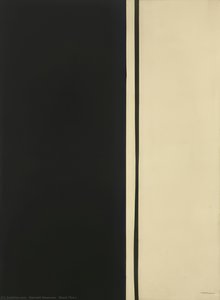
 Ακτινογραφία
 Παρουσίαση
Pintura
 1971
1971 90.0 x 72.0 cm
 MACBA - Μουσείο Σύγχρονης Τέχνης των Μπουένος Άιρες
 Περισσότερα λεπτομέρεια
Giclée / Εκτυπώσεις Τέχνης
Εκτύπωση giclée ή σε καμβά ποιότητας μουσείου με γρήγορη παραγωγή και ευέλικτες επιλογές φινιρίσματος. ( Μετάβαση σε χειροποίητη ζωγραφική Μετάβαση σε Εικόνα)




































Επιλέξτε από τις προκαθορισμένες διαστάσεις μας που διατηρούν τις αρχικές αναλογίες του έργου τέχνης.

Μπορείτε να εισαγάγετε δικές σας διαστάσεις ώστε να ταιριάξουν με ένα συγκεκριμένο πλαίσιο ή χώρο. Εάν το επιλεγμένο μέγεθος δεν συμπίπτει με τις αναλογίες της πρωτότυπης εικόνας, θα κόψουμε το έργο τέχνης ή θα επεκτείνουμε την εικόνα με καθρεφτισμένη ή μονόχρωμη ατέλεια. Θα σας αποσταλεί ένα ψηφιακό mockup για έγκρισή σας πριν από την έναρξη της παραγωγής.
Παρακαλούμε σημειώστε ότι η προεπισκόπηση στην οθόνη δεν αντικατοπτρίζει την πραγματική κοπή ή επέκταση. Μόνο το mockup θα δείξει με ακρίβεια την τελική σύνθεση.
Παρόλο που είναι διαθέσιμες προσαρμοσμένες διαστάσεις, προτείνουμε την επιλογή μιας διάστασης από τη προκαθορισμένη λίστα για τη διατήρηση των αρχικών αναλογιών.
Παγκόσμια Αποστολή () σε 2 εβδομάδες αντί για τις συνήθεις 4/5 εβδομάδες. (5 Αύγουστος)

Δωρεάν Παγκόσμια Αποστολή Express

Κάμβας από Λινό Υψηλής Ποιότητας

Πλήρης ασφάλιση μεταφοράς

Εγγύηση Επιστροφής Δασμών και Φόρων

Εγγύηση Απόλυτης Ομοιότητας Χρωμάτων

Πολιτική Επιστροφής 60 Ημερών (Μόνο σε περίπτωση ελαττωμάτων)

Εγγύηση επιστροφής 100% των χρημάτων

Έκπτωση για πολλαπλές παραγγελίες
 Η επιλογή με γυαλί είναι διαθέσιμη μόνο για μεγέθη κάτω από 110 εκ.

Pintura
Giclée / Εκτυπώσεις Τέχνης
Διαστάσεις Αναπαραγωγής
-


Τελική Τιμή
$ 64
Παρόμοια Έργα Τέχνης


Βιογραφία Καλλιτέχνη
A World Constructed: The Surreal Landscapes of Roberto Aizenberg
Roberto Aizenberg, often affectionately known as “Bobby,” stands as a pivotal figure in Argentine art, a master architect of surreal landscapes that continue to captivate and intrigue. Born in 1928 in the small town of Villa Federal, Entre Ríos, Argentina, his journey from architectural aspirations to becoming one of South America’s most distinctive surrealist painters is a testament to the power of artistic vision. Aizenberg's life was marked by both creative fervor and the socio-political turbulence of 20th-century Argentina; he passed away in Buenos Aires in 1996, leaving behind a legacy defined by meticulously rendered geometric forms set against vast, enigmatic backdrops. His early years were shaped by his family’s relocation to La Paternal, a bustling neighborhood in Buenos Aires, where he completed his secondary education at the Colegio Nacional de Buenos Aires. Initially drawn to architecture, Aizenberg soon discovered that his true calling lay in painting—a medium through which he could explore the realms of the subconscious and construct worlds governed by dreamlike logic.Formative Influences and Artistic Development
Aizenberg’s artistic trajectory was profoundly influenced by his studies under both Antonio Berni and, more significantly, Juan Batlle Planas. Berni instilled in him a sensitivity to social realities, while Batlle Planas introduced him to the core tenets of surrealism—an exploration of dreams, psychoanalysis, and the irrational. This foundation proved crucial as Aizenberg began to develop his unique style, moving away from purely representational forms towards increasingly abstract compositions. It’s often noted that his father's profession as a carpenter played a role in fostering his fascination with geometric shapes and architectural structures; this influence is readily apparent in the precise rendering of cubes, pyramids, and cylinders that populate his canvases. However, Aizenberg wasn’t merely replicating architectural forms—he was deconstructing them, isolating them within desolate landscapes to create a sense of alienation and mystery. The impact of European movements like Constructivism and De Stijl can also be observed in his work, particularly in the emphasis on geometric abstraction and rational design, though filtered through a distinctly South American sensibility.The Language of Silence: Recurring Motifs and Symbolism
Aizenberg’s artistic language is characterized by a striking juxtaposition of precision and ambiguity. His paintings are dominated by desolate desert landscapes—vast expanses that evoke feelings of isolation, timelessness, and the sublime. These aren't merely backdrops; they are integral to the meaning of his work, representing perhaps the barrenness of the human condition or the search for meaning in an indifferent universe. Within these landscapes rise his signature architectural constructions: geometric structures rendered with almost photographic accuracy. These forms—often towers, buildings, or fragmented ruins—appear strangely out of place, as if remnants of a forgotten civilization or projections of the subconscious mind. The recurring motif of empty windows is particularly poignant, suggesting both observation and an absence of life, inviting viewers to contemplate what lies beyond the visible world. Woman Born During War, one of his most emotionally resonant works, blends surreal imagery with social commentary, reflecting on the devastating impact of conflict and the fragility of human existence.Legacy and Historical Significance
While Aizenberg didn’t achieve widespread international recognition during his lifetime, his reputation has steadily grown since his death, particularly within Latin American art circles. He is now recognized as a key figure in Argentine surrealism, distinguished by his unique approach to the movement. Unlike many of his contemporaries who favored organic forms and biomorphic shapes, Aizenberg embraced geometric precision and architectural rigor. This singular vision set him apart and established him as an important voice in Latin American art. His ability to evoke a sense of mystery and wonder through seemingly rigid forms continues to resonate with audiences today. Beyond his artistic achievements, Roberto Aizenberg is also remembered as the father of Joanna Aizenberg, a renowned chemist—a testament to the intellectual curiosity that permeated his family. His work remains a powerful exploration of the human condition, inviting viewers to contemplate the boundaries between reality and illusion, order and chaos, presence and absence. Roberto Aizenberg’s contribution lies in his singular interpretation of surrealism within a South American context, creating a body of work that is both intellectually stimulating and emotionally evocative.
Roberto Aizenberg
1928 - 1996 , Argentina
Σημαντικά στοιχεία
- Artistic Movement Or Style: Surrealism
- Artists Who Influenced This Artist:
- Juan Batlle Planas
- De Stijl
- Constructivism
- Date Of Birth: 1928
- Date Of Death: 1996
- Full Name: Roberto Aizenberg
- Nationality: Argentine
- Notable Artworks:
- Painting
- Pintura
- Woman born during war
- Place Of Birth: Villa Federal, Argentina



