


 Προεπισκόπηση
 Αποστολή
 Κοινοποίηση
 Λεπτομέρειες
 Οδηγός

 Λήψη
Λήψη
 Παρόμοια αντικείμενα συλλογής
 Ακτινογραφία
 Παρουσίαση
 Στατιστικά
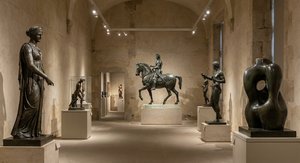
North Dome Room with the Bust of Nefertiti, Neues Museum Berlin


 Περισσότερα λεπτομέρεια
Χειροποίητη Αναπαραγωγή σε Έλαιο
Χειροποίητη ελαιογραφία σε καμβά στο δικό σας μέγεθος και πλαίσιο, κατά παραγγελία από τους καλλιτέχνες μας. ( Μετάβαση σε Εκτυπώσεις Μετάβαση σε Ψηφιακή Εικόνα)




































Επιλέξτε από τις προκαθορισμένες διαστάσεις μας που διατηρούν τις αρχικές αναλογίες του έργου τέχνης.

Μπορείτε να ορίσετε δικές σας διαστάσεις ώστε το έργο να ταιριάζει σε ένα συγκεκριμένο πλαίσιο ή χώρο. Εάν το επιλεγμένο μέγεθος δεν συμπίπτει με τις αναλογίες της αρχικής εικόνας, θα περικοψούμε το έργο ή θα επεκτείνουμε τη ζωγραφιά με πρόσθετα χειρόγραφα στοιχεία. Ένα ψηφιακό προσχέδιο θα σας αποσταλεί για έγκριση πριν την έναρξη της παραγωγής.
Παρακαλούμε σημειώστε ότι η προεπισκόπηση στην οθόνη δεν αντικατοπτρίζει την πραγματική περικοπή ή επέκταση. Μόνο το προσχέδιο θα δείξει με ακρίβεια την τελική σύνθεση.
Παρόλο που είναι διαθέσιμα προσαρμοσμένα μεγέθη, συνιστούμε να επιλέξετε μια διάσταση από τη λίστα των προκαθορισμένων μεγεθών για τη διατήρηση των αρχικών αναλογιών.
Μετά την παραγγελία, η ομάδα του AllPaintingsStore.com θα στείλει email στον πελάτη με οδηγίες και θα παρέχει μια προεπισκόπηση προσχεδίου
Παγκόσμια Αποστολή () σε 3-4 εβδομάδες αντί για τις συνήθεις 5 εβδομάδες. (21 Σεπτέμβριος). Χωρίς συμβιβασμούς στην ποιότητα.

Δωρεάν γρήγορη διεθνής αποστολή

Κάμβας από Λινό Υψηλής Ποιότητας

Πλήρης ασφάλιση μεταφοράς

Εγγύηση επιστροφής δασμών και φόρων εισαγωγής

Εγγύηση Απόλυτης Ομοιότητας Χρωμάτων

Πολιτική Επιστροφής 100 Ημερών (Μόνο σε περίπτωση ελαττωμάτων)

Εγγύηση επιστροφής 100% των χρημάτων

Έκπτωση για πολλαπλές παραγγελίες
 Η επιλογή με γυαλί είναι διαθέσιμη μόνο για μεγέθη κάτω από 110 εκ.

North Dome Room with the Bust of Nefertiti, Neues Museum Berlin
Τεχνική Αναπαραγωγής
Διαστάσεις Αναπαραγωγής
-


Συνολικό Κόστος
$ 258
Παρόμοια Έργα Τέχνης


Βιογραφικό Καλλιτέχνη
The Enduring Majesty of Tuthmosis: Sculptor of the Amarna Age
Tuthmosis, a name synonymous with the golden age of ancient Egypt, was born in Amarna around 1340 BC – a pivotal period marked by radical artistic and religious upheaval. More than just an artist, he stands as a key figure in capturing the essence of the reign of Akhenaten, a pharaoh who dared to challenge centuries of tradition and usher in a new era centered on the worship of the sun god Aten. His legacy is inextricably linked with the iconic image of Queen Nefertiti, a sculpture that continues to captivate audiences worldwide and serves as a testament to his unparalleled skill and artistic vision.A Sculptor Forged in Revolution
Tuthmosis’s life unfolded during a time of dramatic transformation within Egypt's political and religious landscape. Akhenaten, abandoning the established pantheon of Egyptian gods, moved the capital from Thebes to Amarna – a newly constructed city dedicated solely to Aten. This shift profoundly impacted art, leading to a departure from the rigid conventions of previous dynasties. Sculptures became more naturalistic, figures were depicted with softer features and flowing lines, and an emphasis was placed on portraying emotion and intimacy. Tuthmosis, deeply immersed in this revolutionary artistic climate, quickly rose to prominence as one of Akhenaten’s most trusted sculptors. His work reflects not only the pharaoh's innovative vision but also a burgeoning sense of realism previously unseen in Egyptian art.The Nefertiti Bust: A Masterpiece of Form and Symbolism
Perhaps Tuthmosis’s most celebrated achievement is undoubtedly the magnificent Bust of Queen Nefertiti, completed around 1340 BC. This limestone sculpture, housed within the Neues Museum in Berlin, is a breathtaking example of Amarna art at its finest. The bust's elongated neck, delicately arched eyebrows, and serene expression have become instantly recognizable symbols of ancient Egypt. Beyond its aesthetic beauty, however, the Nefertiti Bust carries profound symbolic weight. It represents Nefertiti herself – Akhenaten’s Great Royal Wife – as a divine figure embodying the power and grace of Aten. The sculpture's smooth surfaces and subtle details suggest an unprecedented level of intimacy and understanding of the human form, reflecting the artistic ideals championed by Tuthmosis and his contemporaries.Technique and Materials: Echoes of Amarna
Tuthmosis’s mastery lay not only in capturing likeness but also in skillfully manipulating stone. He primarily worked with fine-grained limestone, a material readily available in the quarries surrounding Amarna. His technique involved meticulous carving, utilizing sharp chisels and abrasives to achieve astonishing detail. The surfaces of his sculptures were often polished to a luminous sheen, enhancing their visual impact. The use of *sgraffito*, a technique involving scratching designs into the surface of the stone with pointed tools, allowed for intricate detailing and patterns – a hallmark of Amarna art. Furthermore, Tuthmosis’s understanding of light and shadow contributed significantly to the three-dimensionality of his sculptures, creating a sense of depth and realism that was revolutionary for its time.Legacy and Historical Significance
Though Tuthmosis died around 1300 BC, his influence on Egyptian art endures. The Amarna period, largely due to the work of artists like Tuthmosis, marked a significant departure from traditional artistic conventions, paving the way for subsequent developments in sculpture and portraiture. While Akhenaten’s reforms were ultimately short-lived after his death, the artistic innovations he fostered continued to resonate throughout Egyptian history. The Nefertiti Bust, in particular, remains one of the most recognizable and beloved works of ancient art, a powerful symbol of beauty, power, and the enduring legacy of Tuthmosis – a sculptor who captured the spirit of a revolutionary age.
tuthmosis
1340 - 1300 , Egypt
Στοιχεία καλλιτέχνη
- Artistic Movement Or Style: Amarna art style
- Date Of Birth: 1340
- Date Of Death: 1300
- Full Name: tuthmosis
- Nationality: Egyptian
- Notable Artworks:
- Bust of Queen Nefertiti
- King Akhenaten sculpture
- Place Of Birth: Amarna, Egypt
Σχετικά άρθρα

Οι 10 Κορυφαίοι Χάλκινοι Θρύλοι που Άλλαξαν την Τέχνη – Έμπνευση για το Σπίτι σας
Ανακαλύψτε τα 10 θρυλικά χάλκινα γλυπτά που επαναπροσδιόρισαν την τέχνη! Ιστορίες από Rodin, Degas & άλλους μεγάλους καλλιτέχνες. Βρείτε αναπαραγωγές υψηλής ποιότητας για να εμπνεύσετε το σπίτι σας. Εξερευνήστε τη συλλογή στο AllPaintingsStore.com.

The Enduring Form: Exploring Themes & Techniques in Sculpture Across Historical Periods
Explore the rich history of sculpture from ancient masterpieces to contemporary innovations. Discover key techniques, influential artists & investment potential for discerning art collectors.

The Enduring Allure of Marble in Art History: From Classical Sculpture to Modern Abstraction
Explore the captivating history of marble sculpture from ancient Greece to modern art. Discover renowned artists like Canova & Michelangelo, carving techniques, and investment insights at AllPaintingsStore.
Οι 10 Κορυφαίοι Χάλκινοι Αγάλματα που Άλλαξαν την Ιστορία της Τέχνης | AllPaintingsStore.gr
Ανακαλύψτε τα 10 θρυλικά χάλκινα αγάλματα που διαμόρφωσαν την τέχνη! Από τον Rodin στον Michelangelo, εξερευνήστε ιστορίες, τεχνικές & αισθητική. Βρείτε αντίγραφα υψηλής ποιότητας για το σπίτι σας στην AllPaintingsStore.com.

The Enduring Form: Sculpture Across History, Technique & Emotional Resonance
Explore the rich history of sculpture with AllPaintingsStore. Discover key techniques, influential artists & investment potential for discerning collectors. Expert insights into valuing and collecting timeless masterpieces.

