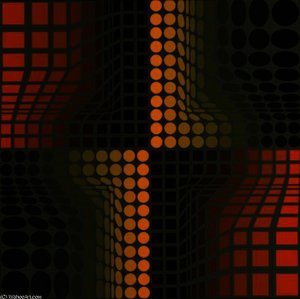
Oil On Canvas.

§ 1Catalogue data


Το έργο αυτό προστατεύεται από πνευματικά δικαιώματα
Το έργο τέχνης που εμφανίζεται σε αυτή τη σελίδα προστατεύεται από τους νόμους περί πνευματικών δικαιωμάτων, γεγονός που σημαίνει ότι δεν μπορούμε νομικά να δημιουργήσουμε ή να πουλήσουμε μια ταυτόσημη αναπαραγωγή του. Αυτή η προστασία επιβάλλεται βάσει διεθνών συμφωνιών, όπως η Σύμβαση της Βέρνης καθώς και από τους εθνικούς νόμους, συμπεριλαμβανομένων αυτών που ορίζονται από το Νομοθεσία περί πνευματικών δικαιωμάτων των ΗΠΑ - Τίτλος 17. Όλα τα δικαιώματα κατοχυρωμένα. Απαγορεύεται η αναπαραγωγή χωρίς άδεια.
Ως μια σεβαστή και νόμιμη εναλλακτική, προσφέρουμε προσαρμοσμένα, χειροποίητα έργα τέχνης εμπνευσμένα από το πρωτότυπο. Οι έμπειροι και επαγγελματίες καλλιτέχνες μας μελετούν προσεκτικά το στυλ, τη διάθεση και την καλλιτεχνική ουσία του πρωτοτύπου, ώστε να δημιουργήσουν ένα νέο, μοναδικό έργο που προκαλεί την ίδια αίσθηση — παραμένοντας όμως μια πρωτότυπη δημιουργία από μόνη της.
Αυτή η μέθοδος συμμορφώνεται πλήρως με τους κανονισμούς περί πνευματικών δικαιωμάτων, καθώς δεν περιλαμβάνει την αντιγραφή ή την αναπαραγωγή του προστατευόμενου έργου. Αντίθετα, πρόκειται για μια δημιουργική ερμηνεία — ένα νέο έργο που επηρεάζεται από το πρωτότυπο, χωρίς όμως να είναι πανομοιότυπο με αυτό.
 Διαβάστε περισσότερα
§ 2Abstract
Περιγραφή Συλλεκτικού Αντικειμένου
Experience Abstract Composition 8 – a captivating Op-Art piece by Victor Vasarely. Explore geometric patterns & optical illusions in this hand-painted reproduction.
Βιογραφικό Καλλιτέχνη
Ανακαλύψτε τον Victor Vasarely, πρωτοπόρο της Op Art! Γεωμετρικές αφηρημένες εικόνες, οπτικές ψευδαισθήσεις & διαχροντική επιρροή στην τέχνη και το design.
§ 3Commentary
A Dance of Perception: Exploring Victor Vasarely’s “Abstract Composition 8”
Victor Vasarely's "Abstract Composition 8" is more than just a painting; it’s an invitation to question the very nature of visual reality. Executed in oil on canvas with meticulous attention to detail, this work embodies the core tenets of Op Art – Optical Art – a movement that emerged in the mid-20th century and continues to captivate viewers with its mastery of illusion and pattern. Born in 1906 in Pécs, Croatia (then part of Austria-Hungary), Vasarely’s artistic trajectory began unexpectedly, initially driven by an interest in medicine before he was drawn to the expressive possibilities of color and form. His journey reflects a profound engagement with geometric abstraction, influenced heavily by the Bauhaus movement's emphasis on functionality and design, and nurtured within the rigorous environment of Sándor Bortnyik’s “Műhely” workshop.
- Subject Matter: The painting presents a carefully constructed arrangement of four distinct sections. A dominant circle commands attention in the left quadrant, while a smaller circle offers a counterpoint in the center. The right side explodes with a dynamic pattern of lines, and the bottom section culminates in a mesmerizing spiral or swirl – a recurring motif in Vasarely’s oeuvre.
- Style & Technique: Vasarely's signature Op Art style is immediately recognizable through its precise geometric forms and vibrant color palette. The oil on canvas technique allows for rich texture and depth, enhancing the illusionistic effects. He skillfully manipulates perspective and scale to create a sense of movement and dynamism, drawing the viewer into the artwork’s intricate visual field.
The Genesis of Op Art: Historical Context
“Abstract Composition 8” emerged from a pivotal moment in art history – the post-World War II era. The rise of mass media, particularly advertising and graphic design, profoundly influenced artistic thinking. Artists like Vasarely responded to this shift by exploring new ways to engage with visual perception through abstraction. Op Art, as it became known, sought to directly stimulate the viewer’s optic nerve, creating an almost physical experience of color and form. This was a deliberate rejection of traditional representational art, embracing instead the power of pure geometric abstraction to evoke emotion and challenge our understanding of space.
Symbolism & Emotional Impact
While ostensibly abstract, Vasarely’s work is imbued with symbolic meaning. The circles, often interpreted as representing wholeness and unity, are juxtaposed against the dynamic lines and spirals – symbols of movement, energy, and transformation. The overall effect is one of controlled chaos, inviting contemplation on the relationship between order and disorder, perception and reality. “Abstract Composition 8” isn’t simply a visual puzzle; it's an emotional experience, designed to provoke a sense of wonder and intrigue.
A Legacy of Innovation
Victor Vasarely’s influence extends far beyond the realm of Op Art. His pioneering work paved the way for subsequent developments in kinetic art, digital art, and even contemporary graphic design. “Abstract Composition 8” stands as a testament to his genius – a timeless masterpiece that continues to inspire artists and captivate audiences with its innovative approach to visual perception. A hand-painted reproduction of this artwork offers an unparalleled opportunity to bring this iconic piece into your home or office, allowing you to experience the captivating power of Vasarely’s vision firsthand.
Ερωτήσεις και Απαντήσεις
Σε ποιο καλλιτεχνικό ρεύμα ανήκει το "Abstract composition 8" του Βίκτορ Βασαρέλυ;
Το έργο "Abstract composition 8" του Βίκτορ Βασαρέλυ ανήκει στο καλλιτεχνικό κίνημα Op Art. Αυτό το κίνημα παρέχει το στυλιστικό πλαίσιο του έργου.
Το έργο "Abstract composition 8" του Βίκτορ Βασαρέλυ είναι πίνακας, σχέδιο ή γραφικό;
Το έργο "Abstract composition 8" είναι ένα WallArt.
Με τι τεχνική έχει δημιουργηθεί το "Abstract composition 8";
Το έργο "Abstract composition 8" εκτελέστηκε με τη χρήση του/της Oil On Canvas.


 Μετάβαση σε Εκτυπώσεις


 Για έργα τέχνης ή αναπαραγωγές με πλευρά υπερβαίνουσα των 105 εκ. (περίπου 41 ίντσες), το πλαίσιο θα αποσταλεί αποσυναρμολογημένο, σε μορφή κιτ. Η μέθοδος αυτή διασφαλίζει την ασφαλή παράδοση και προλαμβάνει τυχόν ζημιές κατά τη μεταφορά.