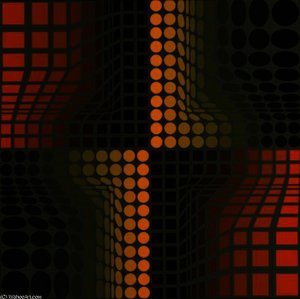
1950. Acrylic On Canvas, 20.0 x 36.0 cm.

§ 1Catalogue data

- 20.0 x 36.0 cm


Το έργο αυτό προστατεύεται από πνευματικά δικαιώματα
Το έργο τέχνης που εμφανίζεται σε αυτή τη σελίδα προστατεύεται από τους νόμους περί πνευματικών δικαιωμάτων, γεγονός που σημαίνει ότι δεν μπορούμε νομικά να δημιουργήσουμε ή να πουλήσουμε μια ταυτόσημη αναπαραγωγή του. Αυτή η προστασία επιβάλλεται βάσει διεθνών συμφωνιών, όπως η Σύμβαση της Βέρνης καθώς και από τους εθνικούς νόμους, συμπεριλαμβανομένων αυτών που ορίζονται από το Νομοθεσία περί πνευματικών δικαιωμάτων των ΗΠΑ - Τίτλος 17. Όλα τα δικαιώματα κατοχυρωμένα. Απαγορεύεται η αναπαραγωγή χωρίς άδεια.
Ως μια σεβαστή και νόμιμη εναλλακτική, προσφέρουμε προσαρμοσμένα, χειροποίητα έργα τέχνης εμπνευσμένα από το πρωτότυπο. Οι έμπειροι και επαγγελματίες καλλιτέχνες μας μελετούν προσεκτικά το στυλ, τη διάθεση και την καλλιτεχνική ουσία του πρωτοτύπου, ώστε να δημιουργήσουν ένα νέο, μοναδικό έργο που προκαλεί την ίδια αίσθηση — παραμένοντας όμως μια πρωτότυπη δημιουργία από μόνη της.
Αυτή η μέθοδος συμμορφώνεται πλήρως με τους κανονισμούς περί πνευματικών δικαιωμάτων, καθώς δεν περιλαμβάνει την αντιγραφή ή την αναπαραγωγή του προστατευόμενου έργου. Αντίθετα, πρόκειται για μια δημιουργική ερμηνεία — ένα νέο έργο που επηρεάζεται από το πρωτότυπο, χωρίς όμως να είναι πανομοιότυπο με αυτό.
 Διαβάστε περισσότερα
§ 2Abstract
Περιγραφή Συλλεκτικού Αντικειμένου
Experience Victor Vasarely’s iconic Op Art ‘Zebra,’ a dynamic black and white optical illusion that challenges perception. This 1950 masterpiece explores movement and form through precise geometric patterns, perfect for art lovers.
Βιογραφικό Καλλιτέχνη
Ανακαλύψτε τον Victor Vasarely, πρωτοπόρο της Op Art! Γεωμετρικές αφηρημένες εικόνες, οπτικές ψευδαισθήσεις & διαχροντική επιρροή στην τέχνη και το design.
§ 3Commentary
A Dance of Perception: Exploring Victor Vasarely’s ‘Zebra’
Victor Vasarely's 'Zebra' is more than just a black and white stripe; it’s an invitation to question the very nature of visual reality. Painted in 1950, this seminal work exemplifies the revolutionary impact of Op Art – Optical Art – a movement that sought to manipulate perception through precise geometric arrangements. Created by Hungarian artist Victor Vasarely, born in Pécs, Croatia in 1906, ‘Zebra’ showcases his mastery of creating illusions and challenging the viewer's assumptions about space and form. Initially drawn to medicine, Vasarely’s passion for visual expression led him to a transformative journey into abstraction, profoundly influenced by the Bauhaus movement and its emphasis on functional design and geometric principles. This artwork represents a pivotal moment in his career, solidifying his place as a pioneer of kinetic art and a key figure in 20th-century modernism.
The Illusion of Movement
At first glance, ‘Zebra’ presents itself as a simple depiction of black and white stripes. However, a closer examination reveals a dynamic complexity that belies its apparent simplicity. The artwork's composition is dominated by parallel lines that curve and bend, creating an illusion of movement and depth. These undulating stripes don't adhere to traditional perspective; instead, they converge and diverge strategically, drawing the eye across the canvas in a continuous flow. This deliberate manipulation of visual cues generates a powerful sense of disorientation – a hallmark of Op Art’s goal: to stimulate the viewer’s senses and challenge their perception of reality. The stark contrast between black and white amplifies this effect, intensifying the optical illusion and creating a visually arresting experience.
Technique and Materials
Vasarely's meticulous technique is central to ‘Zebra’s’ impact. He employed acrylic or oil paints on canvas, carefully calculating the placement of each line and shape to maximize its effect on the viewer’s visual system. The precision with which he executed this work speaks to his deep understanding of optics and perception. While the exact materials used remain somewhat open to interpretation, the resulting surface demonstrates a remarkable control over texture – an impression of depth created not through traditional modeling but through the strategic arrangement of lines that seem to bulge or recede depending on the viewer’s perspective. This technique is characteristic of Op Art's exploration of how our eyes and brains interpret visual information.
Symbolism and Emotional Resonance
The title ‘Zebra,’ referencing the animal’s distinctive stripes, serves as a clever metaphor for the artwork’s core theme: the illusion of order within apparent chaos. The composition evokes feelings of movement, energy, and disorientation – emotions deliberately sought by Vasarely to disrupt conventional modes of seeing. Beyond its aesthetic qualities, 'Zebra' represents a broader exploration of perception itself, questioning our ability to accurately represent the world around us. It’s a visual puzzle that invites contemplation and rewards repeated viewing with new discoveries.
A Statement Piece for Your Space
This 20 x 36 cm reproduction captures the essence of Vasarely's groundbreaking work, offering a stunning addition to any collection or interior design scheme. Its bold geometric forms and dynamic visual impact make it a captivating focal point, perfect for modern spaces seeking a touch of artistic intrigue. A testament to Victor Vasarely’s vision, ‘Zebra’ remains a powerful reminder of the beauty and complexity hidden within the simplest of patterns – a true icon of Op Art.
Ερωτήσεις και Απαντήσεις
Πόσοι άνθρωποι επισκέπτονται το "Zebra";
Υπάρχει μια σελίδα Στατιστικά επισκέψεων για το "Zebra", η οποία καταγράφει τις μηνιαίες επισκέψεις του έργου και άλλων δημιουργημάτων του καλλιτέχνη, με ανάλυση ανά χώρα και γλώσσα.
Τι συναίσθημα αποπνέει το "Zebra" του Βίκτορ Βασαρέλυ;
Η ατμόσφαιρα του έργου "Zebra" του Βίκτορ Βασαρέλυ είναι Modern, ενώ ο συναισθηματικός του τόνος είναι Energetic.
Πώς συνδέονται η καλλιτεχνική τάση και η εποχή στο έργο "Zebra" του Βίκτορ Βασαρέλυ;
Το έργο "Zebra" του Βίκτορ Βασαρέλυ ανήκει στο καλλιτεχνικό ρεύμα του Op Art, μέσα στην εποχή του Μοντέρνα εποχή του δημιουργού του.


 Μετάβαση σε Εκτυπώσεις


 Για έργα τέχνης ή αναπαραγωγές με πλευρά υπερβαίνουσα των 105 εκ. (περίπου 41 ίντσες), το πλαίσιο θα αποσταλεί αποσυναρμολογημένο, σε μορφή κιτ. Η μέθοδος αυτή διασφαλίζει την ασφαλή παράδοση και προλαμβάνει τυχόν ζημιές κατά τη μεταφορά.