


 Ver en contexto
 Enviar
 Compartir
 Detalles
 Guía
Guía

 Descargar
 Similares
 Radiografía
 Presentación de diapositivas
 Q&A
Q&A Estadísticas
The Studio Wall
 Óleo sobre lienzo
- Arte de pared
- Realist Painting
 1872
1872- Siglo XIX
 111.0 x 79.0 cm
 Hamburger Kunsthalle
 Ver más
Reproducción al óleo hecha a mano
Óleo sobre lienzo pintado a mano en el tamaño y marco de su elección, realizado por encargo por nuestros artistas. ( Cambiar a impresiones Cambiar a imagen digital)




P118B €10

P118H €10

P118W €10

P438Z €10

P508JH €12

P508YH €12

P805H €10

P805Z €10

P919BZ €10

P919G €10

P919XJ €10

P959ZH €10

P968JZ €12

W106C €8

W218G €10

W218JH €8

W218Y €10

W307PJ €10

W316G €10

W316PJ €8

W316Y €10

W398PJ €8

W4111J €10

W500HY €15

W500JH €15

W692G €12

W849H €8

W940BG €15

W953PJ €8




Elija entre nuestros tamaños predefinidos que respetan las proporciones originales de la obra.

Indique el ancho y el alto que necesite para adaptarse a su marco o pared. Al tratarse de una obra pintada a mano, si requiere un tamaño con una proporción distinta, el artista puede pintar un poco más alrededor de la imagen o recortarla ligeramente; usted elige. Le enviaremos una maqueta digital para su aprobación antes de comenzar la pintura. La imagen que se muestra en esta página no refleja el resultado real; solo la maqueta lo hace.
Tras realizar el pedido, el equipo de AllPaintingsStore.com enviará un correo electrónico al cliente para solicitar instrucciones y proporcionarle una vista previa del boceto.
Envío a todo el mundo () en 3-4 semanas en lugar de las 5 semanas estándar. (28 octubre). Sin comprometer la calidad.

Envío exprés gratuito a todo el mundo

Lienzo de lino de alta calidad

Seguro de envío total

Garantía de reembolso de aranceles aduaneros

Garantía de fidelidad cromática exacta

Política de devolución de 100 días (solo por defectos)

Garantía de devolución del 100% del dinero

Descuento por cantidad
 La opción de vidrio solo está disponible en tamaños inferiores a 110 cm.

The Studio Wall
Técnica de reproducción
Dimensiones de la reproducción
-


Precio total final
€ 227
The Studio Wall: A Window into Menzel’s Soul
Adolph von Menzel's "The Studio Wall," painted in 1872, isn’t merely a depiction of a cluttered artist’s workspace; it’s a profoundly layered meditation on mortality, memory, and the very nature of artistic creation. At first glance, it presents a seemingly simple scene: a red-walled studio bathed in the soft glow of lamplight, populated by an array of plaster casts – busts, torsos, even a dog – arranged with meticulous care. Yet, beneath this surface lies a complex tapestry of symbolism and emotional resonance, reflecting Menzel’s own life and artistic philosophy.
The painting emerged during a pivotal period in Menzel's career, following the death of his close friend and fellow artist, Friedrich Eggers. This loss profoundly impacted the artist, fueling a preoccupation with themes of transience and remembrance. The studio itself becomes a symbolic space – a repository of fragments, echoes of those who have passed, and a testament to the enduring power of artistic legacy. Menzel’s meticulous attention to detail, honed through decades of experience in lithography and painting, is immediately apparent; each cast is rendered with astonishing realism, capturing not just their physical form but also a sense of individual character.
A Symphony of Materials and Light
Menzel masterfully employs the techniques of oil on canvas to create an atmosphere of both intimacy and drama. The red wall serves as a dramatic backdrop, intensifying the effect of the lamplight that illuminates the plaster casts. This strategic use of light is crucial – it doesn’t simply illuminate; it seems to breathe life into the inanimate objects, suggesting a ghostly presence within the studio. The artist's choice of materials—the smooth, polished surfaces of the casts contrasting with the rough texture of the wall—further enhances the visual impact, creating a dynamic interplay between form and space.
Notably, Menzel’s approach to composition is unconventional for his time. Rather than presenting a traditional still life, he arranges the casts in a seemingly random yet carefully orchestrated manner. This deliberate asymmetry contributes to the painting's unsettling beauty, mirroring the fragmented nature of memory and the elusive quality of truth. The inclusion of figures like Dante and Schiller, alongside more contemporary portraits, suggests a blurring of temporal boundaries – past, present, and future converge within the confines of the studio.
Decoding the Symbols: Faces of Remembrance
The plaster casts themselves are laden with symbolic meaning. Each figure represents a facet of human experience—beauty, wisdom, mortality, love, loss. The inclusion of portraits of friends, family members, and even classical figures speaks to Menzel’s desire to create a memorial to those he held dear. The prominent placement of Friedrich Eggers' death mask is particularly poignant, suggesting that the artist was grappling with his own grief while simultaneously attempting to immortalize the memory of his friend through art.
Beyond individual portraits, the arrangement of the casts can be interpreted as a visual metaphor for the creative process itself. Like an artist assembling disparate elements into a cohesive whole, Menzel has brought together fragments of human experience—the tangible and the intangible—to create a work that transcends mere representation. The dog, often associated with loyalty and companionship, adds another layer of emotional depth to the composition.
A Timeless Reflection on Art and Life
"The Studio Wall" is more than just a painting; it’s an invitation to contemplate the complexities of human existence. Menzel's masterful use of light, color, and symbolism creates a work that is both visually stunning and emotionally resonant. It remains a powerful testament to the enduring legacy of art as a means of confronting mortality, preserving memory, and exploring the profound mysteries of the human soul. Reproductions capture this depth and detail beautifully, offering a window into Menzel’s world for generations to come.
Preguntas y respuestas
¿Qué ambiente aportaría "The Studio Wall" a un espacio?
Con su atmósfera Serenidad, se sugiere "The Studio Wall" para Salón principal.
¿Qué nivel de contraste tiene "The Studio Wall" de Adolph von Menzel?
"The Studio Wall" de Adolph von Menzel presenta un contraste Contraste máximo entre sus zonas de luz y sombra.
¿Quién creó "The Studio Wall" y de qué estilo es?
Adolph von Menzel creó "The Studio Wall" dentro del movimiento Realist Painting.
Obras relacionadas


Biografía del artista
Una vida dedicada a la excelencia artística (1815-1905)
Adolph Friedrich Erdmann von Menzel, un artista realista alemán, dejó una huella imborrable en el mundo del arte con sus dibujos, grabados y pinturas. Nacido en Breslau, Silesia (actualmente Wrocław, Polonia), el 8 de diciembre de 1815, la vida de Menzel fue un testimonio de su dedicación a capturar la esencia de la realidad a través de su arte.Primeros años y formación
El padre de Menzel, un litógrafo, inicialmente pretendía que su hijo se convirtiera en profesor. Sin embargo, la pasión por el arte de Adolph prevaleció, llevándolo a estudiar brevemente en la Academia de Arte de Berlín en 1833. Posteriormente, se convirtió en autodidacta, perfeccionando sus habilidades a través de una práctica incansable.Logros artísticos y evolución
- El taller de forja (1872-1875), una obra maestra que muestra la aguda observación y el dominio técnico de Menzel. Esta pintura monumental retrata el proceso industrial con un realismo asombroso, capturando la energía y el movimiento de los trabajadores y las máquinas.
- El mercado de Verona, un testimonio de su capacidad para capturar la atmósfera de la vida cotidiana. Menzel se destacaba en representar escenas urbanas con gran detalle y vitalidad.
- Predicación en la iglesia parroquial de Innsbruck (1857), un ejemplo impresionante de su maestría, que se encuentra en la colección del museo Hugo Fischer (Bühl, Alemania). Esta obra demuestra su habilidad para representar figuras humanas y escenas religiosas con gran realismo y expresividad.
- Menzel también es conocido por sus pinturas históricas, como Fritz Coburgo en la batalla de Kerschenfeld, que reflejan su interés por la historia prusiana y su habilidad para representar eventos históricos con dramatismo y precisión.
Influencias y legado
La reputación póstuma de Menzel se basó en gran medida en sus trabajos gráficos y pinturas informales. Su influencia se extendió más allá de Alemania; Edgar Degas admiraba y copiaba su obra, llamándolo "el maestro vivo más grande". La asociación de Menzel con el arte francés e inglés es evidente en sus pinturas de género, como la ventana francesa y el jardín del palacio del príncipe Alberto. Su capacidad para capturar la luz y la atmósfera, así como su atención al detalle, lo convirtieron en un artista influyente. Menzel fue un cronista visual de su época, documentando la vida cotidiana, los avances industriales y los eventos históricos con una precisión y un realismo sin precedentes. Su legado perdura como uno de los artistas más importantes del siglo XIX alemán, reconocido por su habilidad técnica, su aguda observación y su capacidad para capturar la esencia de la realidad.Museos que exhiben obras de Menzel
Experimente la brillantez del arte de Adolph von Menzel explorando sus obras en AllPaintingsStore.com.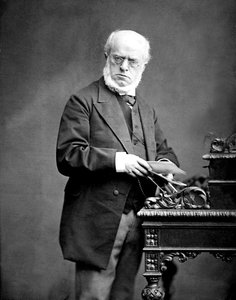
Adolph von Menzel
1815 - 1905 , Polonia
Datos clave
- Artistas Que Influyeron: ['Edgar Degas']
- Estilo Artístico: Realismo alemán
- Fecha De Fallecimiento: 1905
- Fecha De Nacimiento: 8 de diciembre de 1815
- Influencia Artística: ['Franz Ritter von Stuck']
- Lugar De Nacimiento: Wrocław, Polonia
- Nacionalidad: Alemán
- Nombre Completo: Adolph Friedrich Erdmann von Menzel
- Obras Notables:
- Molino de hierro (1872-1875)
- El mercado de Verona
- Kanzelpredigt en Innsbruck (1857)
Artículos relacionados

Realism in Art: A Professional Guide to Authentic Detail and Lifelike Masterpieces for Large-Scale Interior Projects
Master the use of Realism in professional interiors. This expert guide explores 19th-century masterpieces, offering procurement managers and designers technical insights into selecting authentic, hand-painted oil reproductions for high-end hotel and corporate projects.


