- Inicio

- Reproducción al óleo
- Alfred Wallis
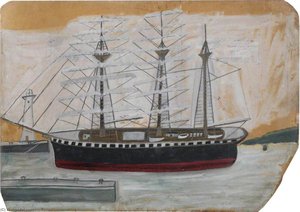
- Grey Three Master

 Preview
 Enviar
 Compartir
 Detalles

 Descargar
 Similares
 Radiografía
 Presentación de diapositivas
Grey Three Master
 27.0 x 46.0 cm
 Kettle's Yard
 Ver más
Reproducción al óleo hecha a mano
Óleo sobre lienzo pintado a mano en el tamaño y marco de su elección, realizado por encargo por nuestros artistas. ( Switch to Print Switch to Image)




































Elija entre nuestros tamaños predefinidos que respetan las proporciones originales de la obra.

Puede ingresar sus propias dimensiones para adaptarse a un marco o espacio específico. Si el tamaño seleccionado no coincide con las proporciones de la imagen original, recortaremos la obra o extenderemos la pintura con elementos adicionales pintados a mano. Se le enviará una maqueta digital para su aprobación antes de comenzar la producción.
Tenga en cuenta que la vista previa en pantalla no refleja el recorte o la extensión reales. Solo la maqueta mostrará con precisión la composición final.
Si bien existen tamaños personalizados, recomendamos seleccionar una dimensión de la lista predefinida para preservar las proporciones originales.
Tras realizar el pedido, el equipo de AllPaintingsStore.com enviará un correo electrónico al cliente para solicitar instrucciones y proporcionarle una vista previa del boceto.
Entrega mundial () en 3-4 semanas en lugar de las 5 semanas estándar. (30 julio). Sin compromisos con la calidad.

Envío exprés gratuito a todo el mundo

Lienzo de lino de alta calidad

Seguro de envío total

Garantía de reembolso de impuestos aduaneros

Garantía de fidelidad de color

Política de devolución de 60 días (solo por defectos)

Garantía de devolución del 100% del dinero

Descuento por pedido múltiple
 La opción de vidrio solo está disponible en tamaños inferiores a 110 cm.

Grey Three Master
Técnica de reproducción
Tamaño de la reproducción
-


Precio total final
$ 258
Obras similares


Biografía del artista
Alfred Wallis: The Cornish Mariner’s Vision
Alfred Wallis (1855-1942) stands apart from the artistic landscape of his era—a figure whose quiet simplicity belies a profound engagement with observation and an unwavering dedication to capturing the essence of coastal Cornwall. Born in Devonport, England, Wallis possessed no formal art training; he was a self-taught craftsman who worked as a shipbuilder for much of his life, shaping timbers into vessels that sailed the Atlantic waters. Yet, it is precisely this practical experience—coupled with an almost childlike fascination with the sea and its rhythms—that fueled his extraordinary artistic output. Early Life & Craftsmanship: Wallis’s formative years were spent honing skills in shipbuilding, a trade passed down through generations of Cornish families. This hands-on mastery instilled in him a meticulous attention to detail and an understanding of materials that would later translate into his paintings. He learned the intricacies of timber construction, mastering techniques honed over decades—a skill that profoundly shaped his artistic sensibility. The rugged beauty of Cornwall itself became an indelible imprint on his mind, informing his visual vocabulary long before he ever picked up a paintbrush. The Cornish Breakthrough (1920s): Wallis’s artistic career truly blossomed in the 1920s when he relocated to St Ives, Cornwall. Drawn by the vibrant artistic community established there—including artists like Ben Burrell and George Nash—he began producing a prolific series of paintings depicting boats, harbors, and landscapes bathed in Cornish light. This move marked a pivotal moment in his creative journey, allowing him to immerse himself fully in the inspiring environment of St Ives and fostering collaborations that enriched his artistic vision. The influence of fellow artists like Burrell and Nash encouraged Wallis to experiment with new approaches to painting—a courageous step away from traditional conventions. A Distinctive Style: Wallis’s aesthetic is undeniably unique. Characterized by flattened perspectives, bold outlines, and muted color palettes dominated by blues and greens, his work embodies the principles of naive art—a style rooted in direct sensory experience rather than intellectual contemplation. He rejected elaborate brushstrokes and complex compositions, prioritizing clarity and immediacy. This remarkable effect was achieved through techniques reminiscent of folk art traditions—a deliberate rejection of academic conventions that sought to elevate art beyond the everyday world. Wallis’s paintings aren't merely representations of places; they are imbued with a palpable sense of atmosphere. They convey not just what is seen but also how it feels—the chill wind off the sea, the stillness of dawn breaking over the harbor. Notable Works & Legacy: Among his most celebrated paintings are “Three Masted Ship Near Lighthouse,” “Trawler,” and “Boat,” each demonstrating Wallis’s masterful ability to distill complex visual information into deceptively simple forms. These works exemplify the artist's commitment to capturing the beauty of the Cornish coastline with unwavering precision—a testament to his lifelong fascination with maritime life and a profound reflection on the human condition. His influence extends beyond his immediate artistic peers; he helped establish St Ives as a center for British modernism, fostering an environment where artists could experiment with new approaches to painting and exploring themes of solitude and contemplation. Wallis’s legacy resides in his unwavering devotion to craftmanship and his refusal to compromise on stylistic integrity—a reminder that true artistry emerges from a deep connection with the natural world and a willingness to embrace simplicity as a path to profound expression. He remains one of the most distinctive voices of 20th-century British art, securing his place as an icon of Cornish artistic heritage.
Alfred Wallis
1855 - 1942 , Reino Unido
Datos clave
- Artistic Movement Or Style: Naive painting
- Artists Or Movements Influenced By This Artist: ['Cornish Art']
- Date Of Birth: August 8, 1855
- Date Of Death: August 29, 1942
- Full Name: Alfred Wallis
- Nationality: British
- Notable Artworks:
- Boat
- Trawler
- Three Masted Ship Near Lighthouse
- Place Of Birth: Devonport, United Kingdom