- Inicio

- Impresión en lienzo
- Andrea Mantegna
- ceiling oculus

 Preview
 Enviar
 Compartir
 Detalles

 Descargar
 Similares
 Radiografía
 Presentación de diapositivas
ceiling oculus

 Ver más
Giclée / Impresión de arte
Impresión giclée o en lienzo de calidad de museo con producción rápida y opciones de acabado flexibles. ( Switch to hand made Painting Switch to Image)




P118B $10

P118H $10

P118W $10

P438Z $10

P508JH $12

P508YH $12

P805H $10

P805Z $10

P919BZ $10

P919G $10

P919XJ $10

P959ZH $10

P968JZ $12

W106C $8

W218G $10

W218JH $8

W218Y $10

W307PJ $10

W316G $10

W316PJ $8

W316Y $10

W398PJ $8

W4111J $10

W500HY $15

W500JH $15

W692G $12

W849H $8

W940BG $15

W953PJ $8




Elija entre nuestros tamaños predefinidos que respetan las proporciones originales de la obra.

Puede introducir sus propias dimensiones para adaptarse a un marco o espacio específico. Si el tamaño seleccionado no coincide con las proporciones de la imagen original, recortaremos la obra de arte o extenderemos la imagen con un borde con efecto espejo o de color sólido. Se enviará una maqueta digital para su aprobación antes de que comience la producción.
Tenga en cuenta que la vista previa en pantalla no refleja el recorte o la extensión real. Solo la maqueta mostrará con precisión la composición final.
Aunque existen tamaños personalizados, recomendamos seleccionar una dimensión de la lista predefinida para preservar las proporciones originales.
Entrega mundial () en 2 semanas en lugar de las 4/5 semanas estándar. (29 julio)

Envío exprés gratuito a todo el mundo

Lienzo de lino de alta calidad

Seguro de envío total

Garantía de reembolso de impuestos aduaneros

Garantía de fidelidad de color

Política de devolución de 60 días (solo por defectos)

Garantía de devolución del 100% del dinero

Descuento por pedido múltiple
 La opción de vidrio solo está disponible en tamaños inferiores a 110 cm.

ceiling oculus
Giclée / Impresión de arte
Tamaño de la reproducción
-


Precio total final
$ 64
Descripción de la obra
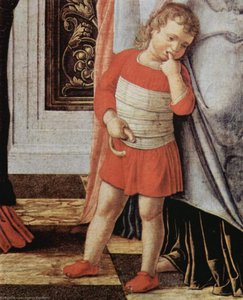
A Celestial Embrace: Exploring Andrea Mantegna’s “Ceiling Oculus”
Andrea Mantegna's "Ceiling Oculus" is not merely a depiction of a painted ceiling; it’s a meticulously crafted window into the heart of Renaissance thought, a testament to the artist’s profound reverence for antiquity. Executed around 1495-1500, this remarkable work, likely commissioned for a private chapel, immediately captivates with its central oculus – a circular aperture that invites the viewer to contemplate the heavens and the divine presence within. The scene unfolds as a carefully orchestrated tableau of angels, each imbued with a sense of serene authority and classical grace, surrounding the luminous circle. Mantegna’s genius lies not just in his technical mastery but in his ability to evoke a palpable atmosphere of solemnity and spiritual contemplation.
- Renaissance Revival: Mantegna's work represents a crucial moment in the Renaissance, marking a shift away from purely Gothic conventions towards a renewed interest in classical antiquity. He wasn’t simply copying Roman art; he was actively seeking to understand its principles and apply them to his own artistic endeavors.
- Sculptural Perspective: The figures within the painting are rendered with an almost sculptural quality, reflecting Mantegna's fascination with Roman sculpture. His use of linear perspective, though still developing at this time, creates a powerful illusion of depth and space, drawing the viewer into the scene.
Technique and Materials: A Masterclass in Detail
Mantegna’s technique is characterized by its meticulous detail and precise execution. He employed oil paint on plaster, a medium that allowed for layering and glazing – essential techniques for achieving the luminous effects so characteristic of his work. Observe the subtle gradations of color, particularly in the drapery of the angels, where light plays across the fabric with remarkable realism. The artist’s attention to texture is equally impressive; from the smooth surfaces of the figures' skin to the rougher details of their garments, every element contributes to the overall sense of tangible presence. The use of gold leaf, likely applied in areas such as the oculus and certain decorative elements, would have further enhanced the painting’s splendor and symbolic significance.
Symbolism and Narrative: Angels and Divine Light
The central oculus serves as a powerful symbol of divine illumination – a direct link between the earthly realm and the celestial sphere. The angels surrounding it are not simply decorative figures; they represent messengers of God, intermediaries between humanity and the divine. The inclusion of the bowl and book held by some of the angels further reinforces this religious narrative, referencing traditional symbols of charity and knowledge. The two birds, subtly placed within the composition, may have represented hope or resurrection – common motifs in Renaissance art. Mantegna’s careful arrangement of these elements creates a complex symbolic language that invites contemplation on themes of faith, redemption, and the nature of divine grace.
Emotional Impact and Legacy
"Ceiling Oculus" possesses a profound emotional impact, transporting the viewer to a realm of serenity and spiritual awe. Mantegna’s masterful use of light and shadow, combined with his carefully crafted figures, evokes a sense of reverence and wonder. This painting stands as a testament to Mantegna's artistic genius and his enduring legacy as one of the most important artists of the Renaissance. A hand-painted reproduction offers an unparalleled opportunity to experience the beauty and power of this iconic work firsthand, bringing its timeless message of faith and contemplation into your home or studio.
Obras similares


Biografía del artista
vida temprana y carrera
Andrea Mantegna, un innovador pintor e estudioso de la arqueología romana italiano, nació en Italia en 1431. Su vida está marcada por una desviación significativa de las formas suaves de su tiempo, favoreciendo un tratamiento audaz y voluminoso del espacio y la forma.contribución a la perspectiva
La obra de Mantegna fue fundamental para explorar la perspectiva, utilizando técnicas como ajustar la línea del horizonte para impartir una escala más grandiosa y gravedad a sus obras. Este enfoque marcó una desviación significativa de las formas suaves de su tiempo, mostrando su estilo único.obras notables y asociaciones
* Las pinturas de Mantegna son reconocidas por su calidad robusta y escultórica, exhibiendo paisajes y figuras duras y reflectantes que revelan su sensibilidad como escultor a la forma y la textura. * Su asociación con la familia Bellini a través del matrimonio es notable, ya que refleja la interconexión de las familias artísticas durante el Renacimiento.legado en la historia del arte
La influencia de Mantegna en el desarrollo del arte en Italia y más allá es innegable. Su enfoque audaz de la perspectiva y la forma ha inspirado a generaciones de artistas. Como se ve en su colección en AllPaintingsStore, sus obras continúan cautivando al público con su grandeza e innovación.- Movimientos artísticos clave: Renacimiento, perspectiva temprana.
- Obras notables: incluyen "El lamento sobre el Cristo muerto" y "San Jorge".
- Museos que exhiben su obra: la Galería Nacional de Londres y la Pinacoteca Brera en Milán, entre otros.
lectura adicional y exploración
* Para más información sobre la vida y las obras de Mantegna, consulte la colección Palumbo-Fossati (Venecia, Italia), que presenta una breve reseña de la colección y sus piezas notables. * Explore la historia del arte en Italia con la cultura de Italia en Wikipedia.
Andrea Mantegna
1431 - 1506 , Italia
Datos clave
- Artistas Influenciados:
- Rafael
- Miguel Ángel
- Artistas Que Influyeron:
- Donatello
- Jacopo Bellini
- Fecha De Muerte: 1506
- Fecha De Nacimiento: 1431
- Lugar De Nacimiento: Carturo, Italia
- Movimiento Artístico: Renacimiento Temprano
- Nacionalidad: Italiana
- Nombre Completo: Andrea Mantegna
- Obras Notables:
- El Lamento sobre el Cristo muerto
- San Jorge y el dragón
- Camera degli Sposi
- Los Triunfos de César
Artículos relacionados

Echoes of Antiquity: Exploring Themes & Techniques in Classical Art Masterpieces
Explore the timeless beauty & profound themes of Classical art! Discover Greek & Roman masterpieces, Neoclassical revivals, and the enduring influence on artistic movements. Expert insights & high-quality reproductions at AllPaintingsStore.

Echoes of Antiquity: Enduring Themes & Techniques in Classic Art
Explore the enduring legacy of classical art! Discover ancient Greek & Roman influences, Renaissance masterpieces, and timeless techniques. Expert insights for collectors & enthusiasts at AllPaintingsStore.

Fra Angelico: Las 25 Obras Maestras del Renacimiento para Decorar con Arte y Fe
Descubre las 25 obras maestras de Fra Angelico, el pintor renacentista que llenó el arte sacro de luz y fe. Explora su técnica, simbolismo y belleza en frescos e iconos. Encuentra reproducciones de alta calidad para decorar tu hogar con AllPaintingsStore.com.
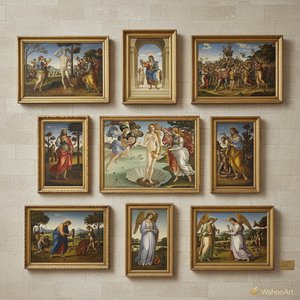
Los 10 Maestros del Renacimiento Temprano: Arte que Transformó el Mundo |
Descubre los 10 maestros del Renacimiento Temprano: Botticelli, Leonardo da Vinci y más. Explora la historia, técnica y belleza de obras icónicas italianas. Reproducciones de arte exclusivas en .
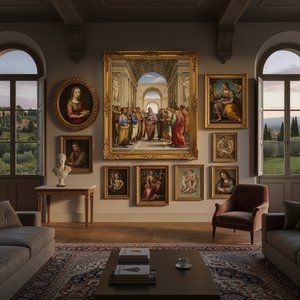
Rafael: Las 25 Obras Maestras que Definen al Genio del Renacimiento | AllPaintingsStore
Descubre las 25 obras maestras de Rafael Sanzio, el genio del Renacimiento. Explora su historia, técnica y significado en pinturas icónicas como 'La Escuela de Atenas'. Reproducciones de arte de alta calidad para decorar tu hogar con elegancia. ¡Explora la colección completa en AllPaintingsStore.com!